Bare Worli Mumbai Debuts As Minimalist Hospitality Space
Bare Worli Mumbai, designed by Studio Bridge, opens as a 3,791 sq ft Bauhaus-inspired hospitality destination with a restaurant.
 nishathapa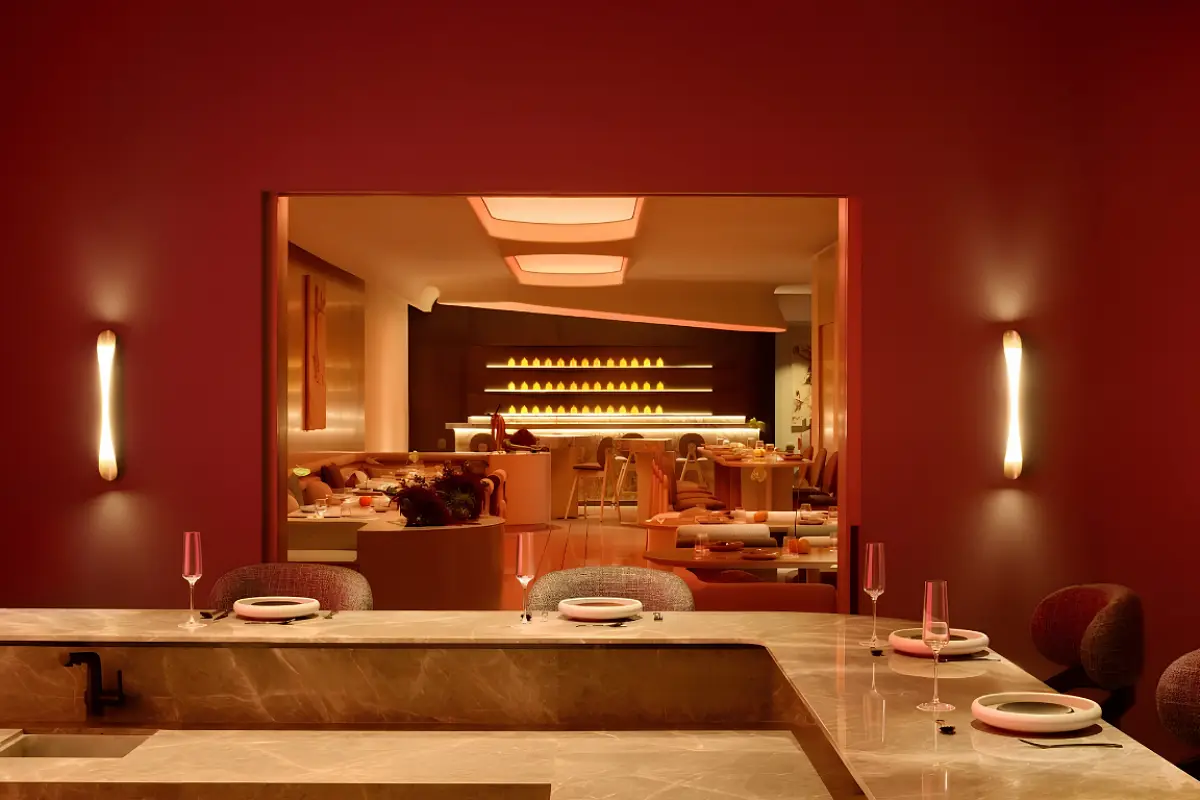
MUMBAI, May 28, 2026: Bare, a 3,791 sq ft hospitality destination designed by Studio Bridge, has opened in Worli, combining a restaurant, speakeasy-style bar, café, 11-seater chef's table and art gallery within a single space shaped by Bauhaus principles and a deliberate refusal to impress through excess. Completed in December 2025, Bare is the work of Studio Bridge co-founders Niketa Raheja and Anushka Tikiya, a design practice that has built its reputation around restraint as a creative discipline rather than a stylistic limitation.
Mumbai has no shortage of new restaurants. What it consistently lacks is venues that treat the design and the hospitality experience as inseparable, where the room is not a backdrop for the food and drinks but an active participant in how a guest feels from the moment they walk in. Bare is making a direct argument that restraint, handled with complete conviction, produces a hospitality environment that is more interesting and more emotionally resonant than spectacle. It is a claim that is easier to state than to build, and the execution here is what determines whether the claim holds.
Studio Bridge Designs Bare Worli Mumbai Around Bauhaus Principles and Sensory Restraint
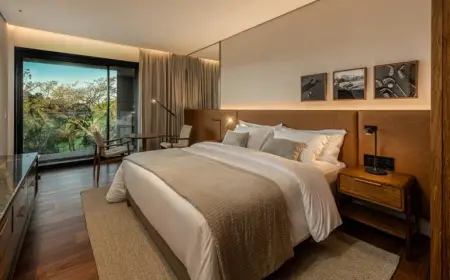
The design approach at Bare is rooted in a clear principle: remove everything that does not earn its place, and let what remains carry the full weight of the experience. Warm wood finishes, muted earthy tones, textured walls, matte surfaces and natural materials form the material palette, a vocabulary that reads as considered rather than minimal in the pejorative sense. The space does not ask to be photographed. It asks to be felt.
Lighting is treated as an emotional layer rather than a functional one. Gentle pools of illumination, controlled shadow play and carefully modulated brightness give each zone of the space its own atmospheric register without any single area feeling underlit or dramatically over-staged. The overall effect is a room that reveals itself gradually, the longer a guest sits in it, the more they notice.
Niketa Raheja, Designer and Co-Founder of Studio Bridge, was precise about the philosophy driving the project.
"Luxury, for me, has always lived in restraint. In the softness of a finish, the honesty of a material, the way light chooses what to reveal. Bare is that belief, built. Simplicity, when done with complete conviction, becomes something you can actually feel."
— Niketa Raheja, Designer & Co-Founder, Studio Bridge
That quote is either a design manifesto or a piece of marketing language depending on whether the room actually delivers it. In the case of Bare, it appears to be the former, a space built by people who knew exactly what they were trying not to do and exercised consistent discipline to achieve it.
Five Distinct Formats Within a Single Seamlessly Connected Space
What makes Bare more structurally interesting than a simple minimalist restaurant is the layering of five distinct hospitality formats across its 3,791 sq ft, a restaurant, speakeasy-style bar, café, chef's table and art gallery, each with its own identity while remaining visually connected to the whole. The journey begins at an art-led entrance designed to spark curiosity before transitioning into the bar. Further inside sits the 11-seater Chef's Table, positioned to bring guests into direct contact with the energy and craft of the kitchen. The café format handles daytime visits. The restaurant and bar handle the evening.
The layout is designed for natural movement rather than directed flow. A guest stopping in for coffee during the day occupies a different version of the space than one who comes for cocktails at the bar in the evening or a full dinner at the chef's table. The design accommodates all three without any of them feeling like an afterthought or a compromise.
Avoiding a rigid or formal atmosphere was a deliberate design objective. The intention was to create a space where people feel relaxed enough to engage however they choose, without pressure, performance or the unspoken instruction to behave in a particular way. That freedom is harder to design than formality.
An Invitation to Play, The Current Culinary Chapter
Bare's food programme operates under a concept the kitchen calls An Invitation to Play, developed by Resident Head Chef Aman Singhal in collaboration with guest chef Marisha Shukla. The menu combines familiar flavour territory with unexpected techniques and presentations, dishes that are playful without being frivolous, refined without being inaccessible.
The current highlights span Tomato Tarte Tatin, Potato Churros, Lemon Ravioli, Potato Leek Galette, Mango Pavlova and a contemporary interpretation of Kheer. The range covers sweet and savoury, classical and subverted, Indian and European, a menu that reflects two chefs with different reference points working in genuine collaboration rather than compromise.
The beverage programme follows the same philosophy as the design: ingredient-forward cocktails that are fresh, balanced and approachable. No theatrical serving vessels, no smoke clouds, no unnecessary theatrics. Cocktails that deliver on what they promise and then step back.
Rotating Art, Changing Music and Cultural Collaborations Keep the Space Alive
The quality that distinguishes Bare from a well-designed room that becomes stale after the opening season is its built-in capacity to evolve. The interiors are deliberately timeless, they will not look dated in three years because they were never trying to look like the moment they were built in. But the content changes: rotating art displays, shifting music programmes and cultural collaborations ensure the space remains in active conversation with what is happening around it rather than sitting in a fixed state from launch day.
That combination, a room designed to last and a programme designed to change, is what gives Studio Bridge's Bare the best possible chance of being relevant in Worli's hospitality landscape not just in its opening months but over the years ahead. Mumbai's dining scene rewards exactly this kind of thinking, because the city's restaurant-goers have enough options to stop returning to places that stop surprising them. Bare's design ensures the surprises are in what changes, not in what it was built to be.