Bengaluru Hotels LPG Price Hike Raises Operating Costs Again
Bengaluru Hotels LPG Price Hike: Hotels rule out immediate menu price increases despite commercial LPG costs rising Rs 1,354 since March. Read more.
 nishathapa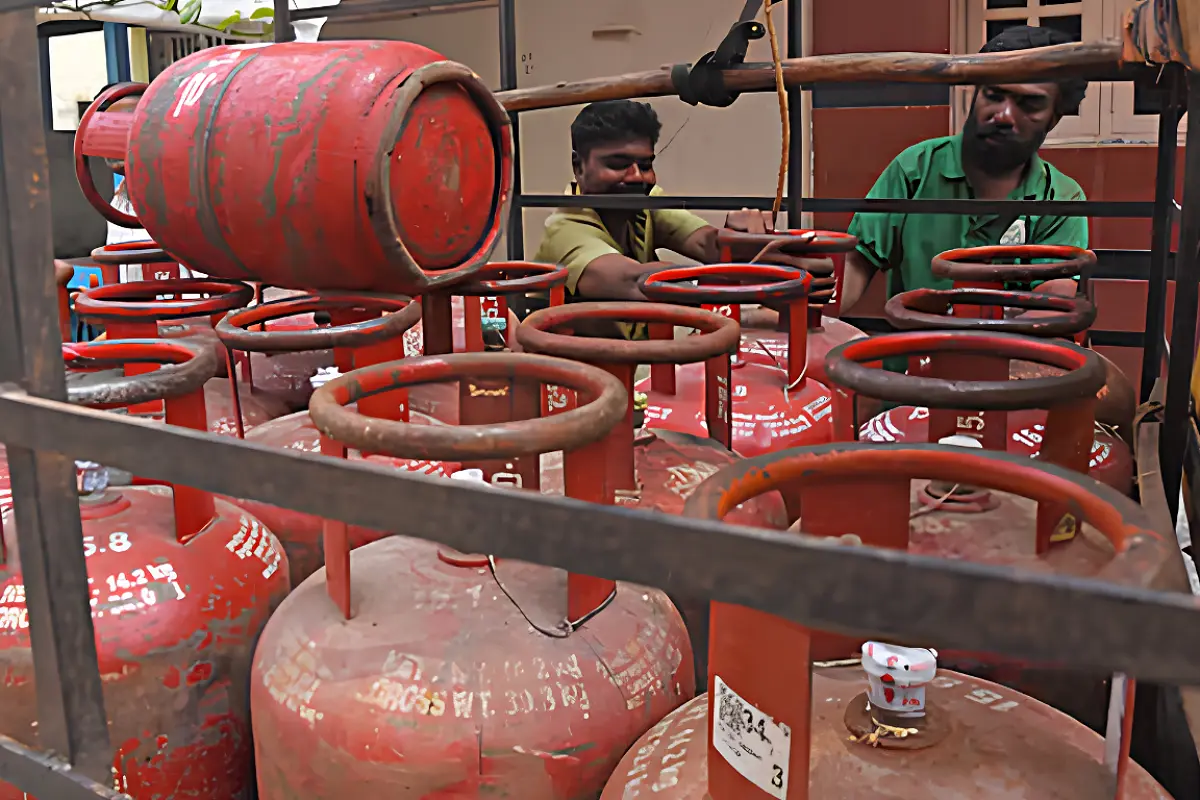
BENGALURU, June 2, 2026: Hotels, restaurants and catering establishments across Bengaluru are holding menu prices steady despite a fresh Rs 46 increase in commercial LPG cylinder rates effective June 1, even as the cumulative rise in commercial fuel costs since March has reached Rs 1,354, pushing the price of a commercial cylinder from approximately Rs 1,845 to Rs 3,199 in a matter of months. Industry representatives say the sector is absorbing the cost increases for now rather than passing them to consumers, but acknowledge that the current trajectory is unsustainable without structural changes to how hospitality businesses source their cooking fuel.
The numbers behind this decision deserve to be read plainly. A commercial LPG cylinder that cost Rs 1,845 in March now costs Rs 3,199, a 73 per cent increase in under three months. The jump has been directly attributed to the escalation of the West Asia crisis, which has disrupted LPG supply chains and driven prices across multiple commodities. For a restaurant or hotel that runs multiple kitchens, uses LPG across its food preparation, hot water and laundry operations and cannot easily switch fuel sources mid-season, this is not an incremental cost adjustment. It is a structural blow to the operating cost base.
Bengaluru Hotels LPG Price Hike Despite Rs 1,354 Cumulative LPG Rise Since March
Veerendra Kamath, Secretary of the Bangalore Hotels Association, explained the industry's position and the context behind the patience it is currently exercising.
"Commercial LPG prices generally vary by around Rs 40 at the beginning of each month. However, the sustained increase witnessed over recent months has added considerable pressure on hotel operations."
— Veerendra Kamath, Secretary, Bangalore Hotels Association
The framing of "sustained increase" is the key phrase. A monthly fluctuation of Rs 40 in either direction is something a hospitality business can plan around. A cumulative increase of Rs 1,354 over 90 days is something entirely different — it changes the base cost structure in ways that cannot be absorbed indefinitely by operational efficiencies or by reducing portion sizes or by delaying other capital expenditure. It eventually reaches a point where the cost either gets passed to the customer or the business changes something fundamental about how it operates.
The Rs 900 Threshold, When Bengaluru Hotels Have Historically Moved on Menu Prices
P. C. Rao, Honorary President of the Bangalore Hotels Association, provided the industry's historical framework for when menu price revisions typically follow fuel cost increases.
"Hotel operators have no immediate plans to revise menu prices despite the latest hike."
— P. C. Rao, Honorary President, Bangalore Hotels Association
Rao further noted that the industry had previously resorted to price revisions only after LPG costs had increased by more than Rs 900. The cumulative increase as of June 2 has already surpassed Rs 1,354, substantially beyond that historical threshold. The fact that the industry is still holding prices despite already exceeding the threshold that previously triggered revisions reflects two competing pressures: the genuine fear of losing price-sensitive customers in a competitive market, and the equally genuine financial strain of absorbing what is now a very significant fuel cost inflation across every kitchen that runs on LPG.
The West Asia Crisis Is the Underlying Driver
The timing and scale of the LPG price increase is not a domestic pricing decision. Commercial LPG in India is linked to international LPG benchmarks, which have been affected significantly by the ongoing West Asia crisis and its knock-on effects on energy supply chains. India imports a substantial proportion of its LPG requirements, and any disruption to Middle Eastern energy supply — whether through production interruptions, shipping route complications or broader geopolitical risk pricing, flows directly into the commercial LPG price that a restaurant in Bengaluru pays at the start of every month.
This is the same external pressure that has been compressing margins for airlines, causing airfare increases and driving fuel surcharges across the transportation sector simultaneously. For the hospitality and food service industry, it arrives on top of already elevated food input costs, higher utility expenses and the wage pressures that come with a tightening labour market in Bengaluru's service economy.
Electric Cooking and Biofuel Technologies as the Long-Term Response
The Bangalore Hotels Association's position on immediate menu prices is holding, but the industry is clearly not planning to remain permanently dependent on commercial LPG at whatever price it reaches. Hospitality businesses across the city are exploring alternative energy solutions, with electric cooking systems and biofuel-based technologies identified as the primary options under investigation.
The shift away from LPG in commercial kitchens is a capital-intensive transition. Electric induction cooking requires different equipment, often different electrical infrastructure in older properties and a different cooking technique for kitchen teams trained on gas flames. Biofuel technologies are still maturing in terms of their commercial availability at the scale that a large hotel kitchen or restaurant chain requires. Neither alternative is a quick switch.
But the economics of staying with LPG at Rs 3,199 per cylinder, and potentially higher, depending on how the West Asia situation evolves, are increasingly making the capital investment in alternative energy look like the more rational long-term choice. A hospitality business that converts its kitchen to induction eliminates its exposure to whatever LPG costs next month. That certainty has a real commercial value that was easier to ignore when LPG was at Rs 1,845.
A Sector Under Compounding Pressure
The LPG situation is one layer of a broader cost pressure environment that Bengaluru's hospitality sector is navigating simultaneously. Karnataka recently announced a significant upward revision to minimum wages, which the industry warned would add to menu price pressure across hotels and restaurants in the state. The West Asia crisis has affected aviation fuel costs, reducing flight capacity and potentially dampening inbound tourism and corporate travel from some markets. And the broader inflationary environment, in food commodities, construction materials and utility costs, has been compressing margins across the sector for over a year.
The decision to hold menu prices in the face of all of this reflects both a genuine commitment to customer affordability and a commercial calculation that in a competitive city like Bengaluru, the restaurant or hotel that raises prices first risks losing customers to competitors that have not yet moved. The Bangalore Hotels Association is effectively coordinating a collective patience that preserves price stability in the short term while the industry explores the structural energy transitions that will reduce its long-term vulnerability to LPG market volatility.