Bir Hoteliers Urge Easier Fire Norms, Infrastructure Upgrade
Hoteliers in Bir, Himachal Pradesh, seek simplified fire safety norms and infrastructure upgrades to support tourism growth and operational efficiency.
 nishathapa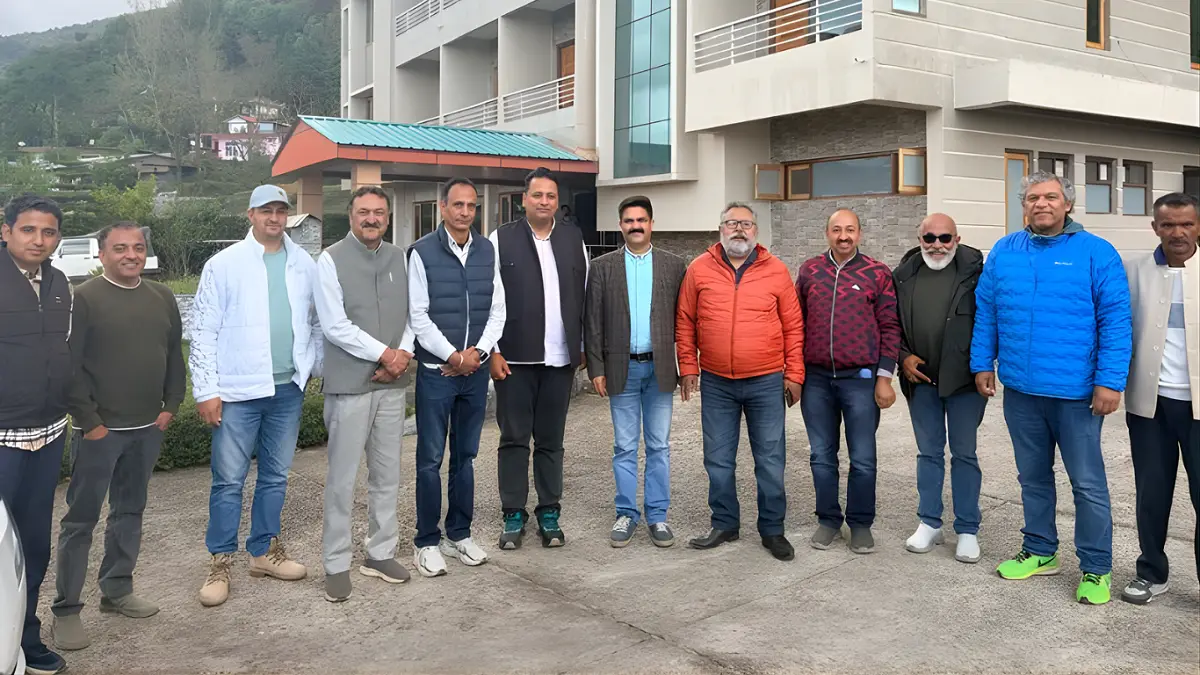
Bir, Himachal Pradesh, April 2026, Hoteliers in Bir, a key tourism destination in Himachal Pradesh, have called for simplified fire safety regulations and urgent infrastructure upgrades, citing operational challenges linked to existing policies and gaps in essential services.
The Bir Hotel Association has urged authorities to revise current fire safety norms, stating that the existing framework is complex and difficult to implement, particularly for properties located near forest areas. Industry stakeholders emphasized the need for regulations that maintain guest safety while remaining practical for hotels operating in geographically sensitive regions.
Industry flags challenges with existing fire safety norms
Hotel operators highlighted that compliance with current fire safety policies is both technically and financially demanding, especially for small and mid-sized properties. The association stressed that while safety remains a priority, the framework must account for local conditions, including terrain and accessibility constraints.
To address these challenges, hoteliers have proposed the development of centralized fire safety infrastructure across the Nagar Panchayat region. This includes the installation of large-capacity water storage tanks and a pipeline-based system designed to improve emergency response efficiency and reduce dependence on individual property-level solutions.
Infrastructure gaps impact hospitality operations
Beyond fire safety, the association pointed to significant infrastructure deficiencies affecting the hospitality sector. A key concern is the lack of a comprehensive sewerage system, which is critical for maintaining hygiene and environmental standards in a destination known for eco-tourism.
Hoteliers noted that inadequate waste management and sanitation infrastructure could hinder the long-term sustainability of tourism in Bir, particularly as visitor numbers continue to grow. They emphasized that modern hospitality operations require reliable civic infrastructure to meet both regulatory standards and guest expectations.
Safety concerns linked to adventure tourism activities
Bir Billing is widely recognized for its paragliding activities, attracting both domestic and international tourists. However, hoteliers raised concerns about overhead electricity lines, which pose potential safety risks for adventure sports participants.
The association recommended relocating these power lines underground to enhance safety and reduce hazards associated with aerial activities. This measure, they said, would strengthen the destination’s appeal while aligning with global safety standards for adventure tourism.
Water supply and seasonal demand pressures
Water scarcity during peak tourist seasons remains another major operational challenge for hotels in the region. The association proposed sourcing water from nearby areas through government initiatives such as the Jal Jeevan Mission to ensure a consistent and reliable supply.
Hoteliers noted that uninterrupted water availability is essential for maintaining service quality, particularly during high-occupancy periods when demand surges significantly.
Call for long-term tourism planning and connectivity upgrades
With tourism demand on the rise, industry stakeholders have also advocated for a comprehensive revision of the region’s master plan. Key recommendations include improved road connectivity, expansion of access routes, and the development of dedicated infrastructure for trekking and cycling.
Such enhancements, they argued, would not only improve visitor experience but also support the sustained growth of the hospitality sector in Bir. The association emphasized that integrated planning is necessary to balance tourism expansion with environmental preservation and operational feasibility.
The appeal from Bir’s hotel industry reflects broader concerns across emerging hill destinations, where rapid tourism growth is often not matched by infrastructure development. Stakeholders have called for a balanced approach to policy-making that aligns safety requirements with practical implementation, while addressing critical infrastructure needs to support long-term sector growth.