Crowne Plaza Gurugram Revives ‘Rangeelo Rajasthan’ Food Festival at Café G
Crowne Plaza Today Gurugram relaunches its ‘Rangeelo Rajasthan’ food festival at Café G, featuring regional cuisine curated with chefs from InterContinental Jaipur.
 nishathapa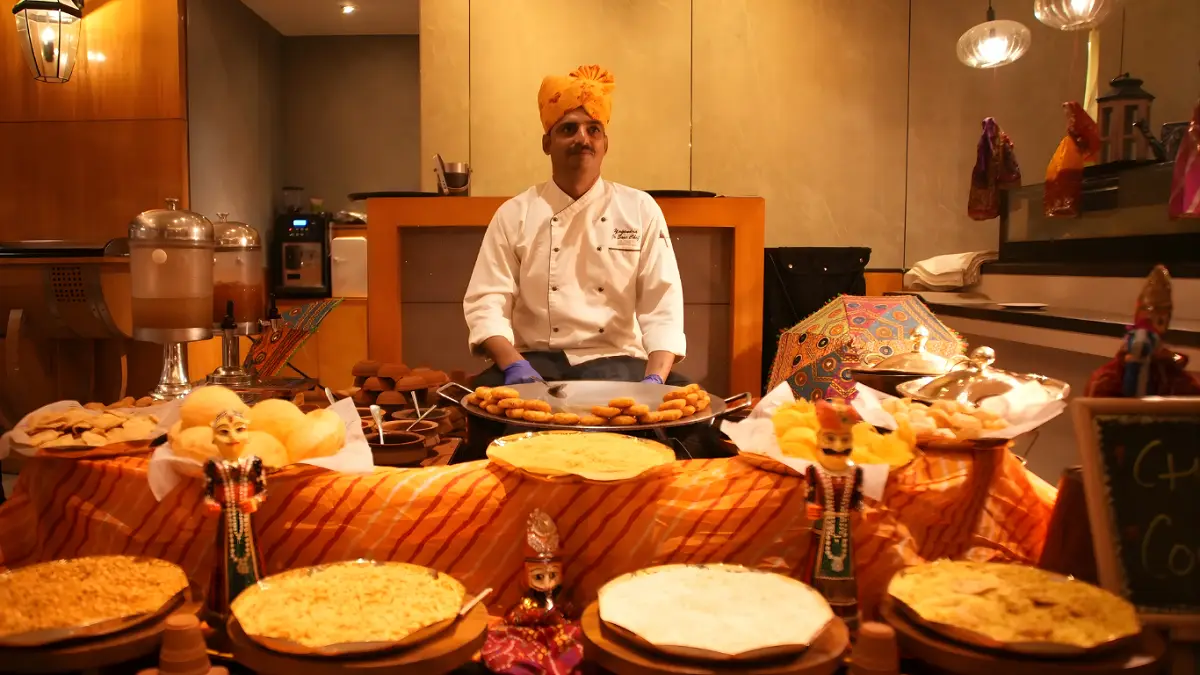
Gurugram, India, April 2026: Crowne Plaza Today Gurugram has reintroduced its Rajasthan-themed food festival, ‘Rangeelo Rajasthan’, at its all-day dining venue Café G, following strong response to its previous edition. The initiative brings together regional culinary expertise and structured dining experiences, reflecting the growing demand for experiential food offerings in India’s hospitality sector.
The festival is being curated in collaboration with Chef Swaroop Rana from InterContinental Jaipur and the hotel’s Executive Chef Sankha Das Mahapatra. The event focuses on presenting traditional Rajasthani cuisine through a format that combines authenticity with organised hospitality service delivery.
Regional culinary collaboration drives festival concept
The ‘Rangeelo Rajasthan’ festival highlights a collaboration between culinary teams from two hospitality brands, aimed at delivering region-specific cuisine within an urban hotel environment. Chef Swaroop Rana brings regional expertise from Jaipur, while the in-house team at Crowne Plaza Gurugram is responsible for execution and guest experience.
This model of chef-led collaboration is increasingly being adopted across the hospitality sector, allowing hotels to offer specialised cuisine while maintaining operational consistency. By integrating regional culinary knowledge with established hotel infrastructure, such initiatives are designed to enhance authenticity without compromising service standards.
Menu focuses on traditional Rajasthani dishes
The festival menu features a selection of well-known dishes from Rajasthan, including Dal Baati Churma, Laal Maas, Ker Sangri, and Gatte ki Sabzi. These dishes are prepared using traditional cooking methods and ingredients associated with the region, ensuring alignment with authentic culinary practices.
The emphasis on regional ingredients and preparation techniques reflects a broader shift in dining preferences, where guests increasingly seek cuisine that represents specific geographies and cultural narratives. Hotels are responding to this demand by curating menus that highlight traditional recipes rather than generic multi-cuisine offerings.
The structured presentation of these dishes within a hotel dining format allows guests to access regional cuisine without travelling to the destination itself, a trend that has gained traction in metropolitan markets.
Experiential dining gains traction in hospitality
The return of ‘Rangeelo Rajasthan’ highlights the growing importance of experiential dining within the hospitality industry. Food festivals have emerged as a key strategy for hotels to differentiate their food and beverage offerings, attract local footfall, and enhance guest engagement.
Unlike standard dining formats, such festivals are designed around themes, storytelling, and curated menus, creating a more immersive experience for guests. This approach aligns with wider industry trends where dining is increasingly positioned as an experience rather than a transactional service.
In urban centres such as Gurugram, where competition among hospitality brands is high, themed food festivals serve as a tool to drive repeat visits and strengthen brand recall. They also allow hotels to experiment with niche cuisines and test market response before integrating them into regular menus.
Hospitality sector leverages regional identity
The focus on Rajasthani cuisine reflects a broader industry trend of leveraging regional identity as a differentiator in food and beverage offerings. India’s diverse culinary landscape provides hotels with opportunities to design experiences around specific states, regions, and cultural traditions.
By showcasing regional cuisine, hotels are not only catering to guest preferences but also contributing to the preservation and promotion of traditional culinary practices. This approach is particularly relevant in the context of increasing interest in cultural and heritage-based experiences among travellers.
Such initiatives also align with the wider shift toward localisation in hospitality, where global brands are adapting their offerings to reflect local culture and consumer expectations.
Event positioning within competitive F&B landscape
The relaunch of the festival at Café G indicates a strategic focus on strengthening the hotel’s food and beverage segment amid a competitive market environment. With standalone restaurants and cloud kitchens expanding rapidly, hotel dining outlets are increasingly adopting curated experiences to remain relevant.
Food festivals provide an opportunity to generate incremental revenue, attract both in-house and external guests, and create differentiated dining propositions. They also enable hotels to utilise existing infrastructure more effectively while introducing temporary thematic concepts.
The ‘Rangeelo Rajasthan’ festival at Crowne Plaza Today Gurugram reflects how hospitality operators are adapting to changing consumer behaviour by combining culinary authenticity with experiential formats. As dining preferences continue to evolve, such initiatives are expected to remain a key component of hotel F&B strategies.