East Africa’s Hotel Boom Reshapes Tourism in Ethiopia, Kenya and Tanzania
Rapid hotel development across Ethiopia, Kenya and Tanzania is transforming East Africa’s tourism industry as international brands and local investors expand hospitality infrastructure to meet rising travel demand.
 Pratyaksha Singh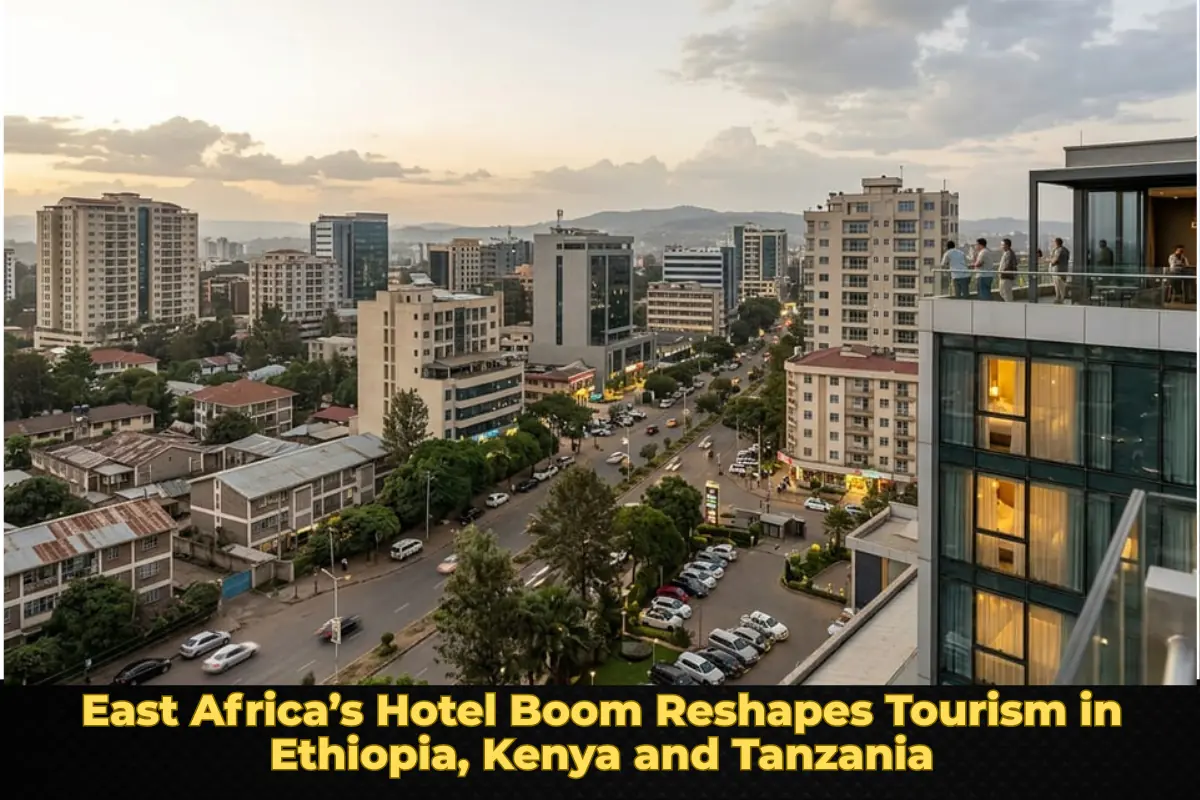
East Africa’s Hotel Boom Reshapes Tourism in Ethiopia, Kenya and Tanzania
East Africa is experiencing a significant surge in hotel development as Ethiopia, Kenya and Tanzania expand hospitality infrastructure to accommodate rising tourism demand, increased international investment and growing business travel across the region. The rapid growth of new hotels, resorts and hospitality projects is reshaping the tourism landscape and strengthening the region’s position as one of Africa’s fastest‑growing travel markets.
The expansion is being driven by a combination of international hotel brands, regional hospitality companies and local investors seeking to capitalize on East Africa’s improving tourism prospects. Industry analysts say the wave of development reflects growing global interest in Africa’s tourism potential as travel demand continues to recover and expand.
Growing Tourism Demand Across East Africa
Ethiopia, Kenya and Tanzania have long been recognized for their diverse tourism attractions, including wildlife safaris, cultural heritage sites, mountain landscapes and coastal destinations. In recent years, these countries have intensified efforts to promote tourism as a key driver of economic growth.
Tourism authorities across the region have launched campaigns to attract international visitors while also improving infrastructure such as airports, highways and tourism services. These initiatives have encouraged hotel developers to expand accommodation capacity in major cities and key tourist destinations.
The increase in tourism activity has created demand for a wider range of accommodations, from luxury resorts and boutique hotels to mid‑scale properties targeting business travelers and regional visitors.
Hospitality consultants say that the diversity of travel experiences in East Africa allows the region to attract a broad spectrum of travelers seeking nature‑based tourism, cultural exploration and adventure travel.
International Hotel Brands Expanding Presence
Global hotel operators have shown increasing interest in East Africa as part of their broader expansion strategies across the African continent. International hospitality companies are entering partnerships with local developers to establish new properties in key urban and tourism hubs.
Cities such as Nairobi, Addis Ababa and Dar es Salaam have emerged as major centers for hospitality development due to their roles as economic and diplomatic hubs. These cities host international organizations, multinational companies and regional conferences that generate steady demand for quality hotel accommodations.
Luxury hotels, business hotels and serviced apartments have all become part of the expanding hospitality landscape. Developers are also focusing on resort-style properties in coastal and wildlife tourism areas that attract international leisure travelers.
The presence of international brands often helps raise service standards and enhances the visibility of destinations within global travel networks.
Kenya’s Hospitality Industry Continues to Expand
Kenya has been one of the most active markets for hotel development in East Africa. The country’s well‑established tourism sector, known for iconic safari destinations such as the Maasai Mara and coastal resorts along the Indian Ocean, continues to attract strong visitor interest.
Nairobi has become a central hub for business travel in the region, hosting international conferences and corporate meetings throughout the year. As a result, the city has seen steady growth in business hotels and upscale accommodation options.
Developers are also investing in resort properties along Kenya’s coast, where beach tourism remains a major draw for international visitors seeking warm weather and marine experiences.
The government has supported tourism expansion through marketing campaigns and infrastructure improvements aimed at strengthening Kenya’s competitiveness in the global travel market.
Ethiopia Strengthening Hospitality Infrastructure
Ethiopia has also been expanding its hospitality sector as the country seeks to position itself as a major tourism and conference destination in Africa. Addis Ababa, the capital city, serves as the headquarters for the African Union and hosts numerous diplomatic and international meetings.
The presence of international institutions has increased demand for hotels capable of accommodating government delegations, conference participants and business travelers.
In addition to urban hotels, Ethiopia is promoting tourism to historical sites such as Lalibela and Axum, which are known for their ancient churches and cultural significance. Improved hotel infrastructure in these areas is expected to enhance the visitor experience and support tourism growth.
The Ethiopian government has identified tourism as an important sector for economic diversification and job creation.
Tanzania Leveraging Natural Tourism Assets
Tanzania’s tourism industry is anchored by some of Africa’s most famous natural attractions, including Serengeti National Park, Mount Kilimanjaro and the island destination of Zanzibar. These sites attract travelers from around the world seeking wildlife safaris and unique travel experiences.
Hotel development in Tanzania has focused heavily on luxury safari lodges, eco‑resorts and beach hotels designed to appeal to high‑spending international tourists.
Zanzibar, in particular, has experienced strong growth in boutique hotels and upscale resorts that cater to travelers looking for tropical island experiences combined with cultural heritage and historical architecture.
The government has prioritized tourism as a key pillar of economic development, encouraging both domestic and international investment in hospitality infrastructure.
Economic Impact of Hospitality Development
The hotel boom across East Africa is generating significant economic benefits for the region. Hospitality projects create employment opportunities in construction, hotel operations, tourism services and related industries.
Local communities often benefit from increased demand for transportation, food supply chains, cultural tourism activities and other services connected to the travel industry.
Tourism revenue also contributes to national economies by generating foreign exchange earnings and supporting government investment in infrastructure and public services.
Industry analysts say that the multiplier effect of tourism spending can stimulate growth across multiple sectors of the economy.
Challenges Facing the Hospitality Sector
Despite the positive growth outlook, East Africa’s hospitality industry also faces several challenges. Infrastructure gaps, regulatory complexities and financing constraints can slow the pace of hotel development in certain areas.
Political stability, environmental sustainability and wildlife conservation are also important considerations for tourism growth in the region. Many destinations rely heavily on natural attractions, making sustainable tourism practices essential.
Hotel operators are increasingly adopting eco‑friendly practices and community engagement initiatives to ensure long‑term sustainability of tourism resources.
Industry experts note that balancing development with environmental protection will remain a key priority as the region’s hospitality sector continues to expand.
Rising Interest from Global Investors
The rapid growth of tourism in East Africa has attracted attention from global investors seeking opportunities in emerging hospitality markets. Investment funds, hotel groups and real estate developers are exploring partnerships to build new properties and expand existing hotel portfolios.
Rising middle‑class travel within Africa itself is also contributing to demand for hotels in regional destinations. Domestic and intra‑African tourism has become an increasingly important component of the hospitality market.
As air connectivity improves and visa policies become more traveler‑friendly, tourism flows within the continent are expected to increase further.
These trends are encouraging developers to build a broader range of hotel products, including mid‑scale and lifestyle properties aimed at younger travelers and regional visitors.
Future Outlook for East Africa’s Hospitality Industry
The ongoing wave of hotel construction and investment is expected to continue shaping the tourism landscape of East Africa in the coming years. Governments, investors and tourism organizations are working together to strengthen the region’s reputation as a premier travel destination.
Industry observers believe that sustained investment in hospitality infrastructure will help Ethiopia, Kenya and Tanzania compete more effectively with other global tourism destinations.
Improved hotels, transportation networks and visitor services are expected to enhance the overall travel experience and attract new international markets.
The rapid growth of hotel development across East Africa demonstrates the region’s increasing importance within the global tourism economy.
As new properties open and tourism numbers continue to rise, the hospitality sector in Ethiopia, Kenya and Tanzania is likely to remain a central pillar of economic growth and regional tourism expansion.