ECOS India FY26 Results Show Strong Revenue Growth
ECOS India FY26 results report 23.58% revenue growth as its fleet expands to 20,000 vehicles across 130 cities. Read more here.
 nishathapa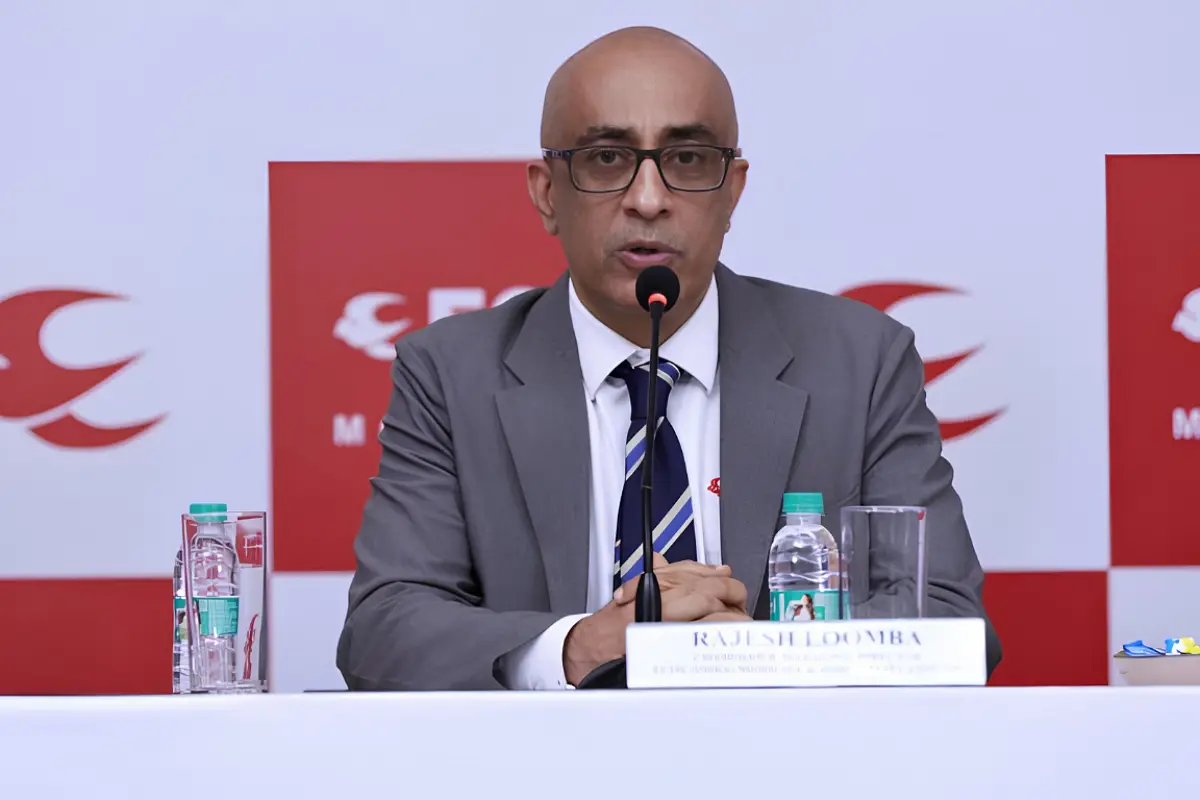
NEW DELHI, May 29, 2026: ECOS (India) Mobility & Hospitality Limited has reported FY26 revenue from operations of Rs 8,081.58 million, a 23.58 per cent increase year-on-year against Rs 6,539.64 million in FY25. Total revenue for the year grew 23.43 per cent to Rs 8,194.49 million. The company completed approximately 5.23 million trips during FY26, representing 29 per cent year-on-year growth, while expanding its fleet to over 20,000 vehicles operating across more than 130 cities in India. Profitability margins, however, narrowed as the company absorbed the cost of that expansion.
The gap between 23.58 per cent topline growth and the direction of margin movement is the central tension in ECOS's FY26 results, and it is a familiar one for any corporate mobility business investing aggressively in fleet, city coverage and technology infrastructure simultaneously. The trip volume growth of 29 per cent outpacing revenue growth of 23.58 per cent reflects the economics of scale-building in a competitive enterprise segment: you add capacity ahead of full utilisation, you invest in systems before they generate returns, and the margin normalises once the infrastructure is working at the volume it was built for. Whether FY27 demonstrates that normalisation is the question the results announcement sets up.
ECOS India FY26 Results Crosses Rs 8,000 Million as Trip Volumes Grow 29 Per Cent
The operational numbers behind the revenue growth are significant. At 5.23 million trips in FY26, ECOS is operating at a scale that few organised corporate mobility companies in India can match. The addition of 223 new clients during the year, taking the active client base above 1,750, reflects genuine enterprise penetration rather than volume generated by a concentrated base of a few large accounts. A client base that broad, across industries, geographies and corporate travel needs, is structurally more resilient than one heavily dependent on a handful of anchor relationships.
Fleet expansion to over 20,000 vehicles across 130-plus cities is the infrastructure investment that drove the margin compression. Fleet additions require capital before they generate revenue. City expansions require operations management, driver networks and local logistics before they become profitable. The FY26 cost base reflects an organisation preparing for the volume it expects to run at in FY27 and beyond, not one running inefficiently at current scale.
EBITDA Margins Narrow to 11.62 Per Cent as Investment Costs Come Through
EBITDA for FY26 stood at Rs 939.29 million, a 1.67 per cent increase from Rs 923.88 million in FY25, against revenue growth of 23.58 per cent. The EBITDA margin narrowed from 14.13 per cent in FY25 to 11.62 per cent in FY26. Full-year PAT came in at Rs 575.77 million against Rs 600.97 million in FY25, a decline of 4.19 per cent, with PAT margin reducing from 9.05 per cent to 7.03 per cent. Earnings per share stood at Rs 9.60 against Rs 10.02 in FY25.
For Q4 FY26, revenue from operations rose 16.65 per cent year-on-year to Rs 2,067.60 million. Q4 EBITDA of Rs 241.53 million was down 8.74 per cent on the corresponding quarter last year, with the Q4 EBITDA margin at 11.68 per cent against 14.93 per cent in Q4 FY25. Q4 PAT declined 12.90 per cent to Rs 157.37 million from Rs 180.68 million in Q4 FY25.
The pattern across both the full year and Q4 is consistent: volume and revenue growing strongly, EBITDA growing minimally, PAT declining. That arithmetic reflects investment spending ahead of returns, a posture that makes sense in a growing market if the unit economics of the new capacity are sound, and requires explanation to investors if they are not.
Rajesh Loomba on the Year's Significance and the Strategic Direction Ahead
Rajesh Loomba, Chairman and Managing Director of ECOS, described FY26 as a year in which scale, client depth and operational infrastructure were all advanced simultaneously.
"FY26 was an important year for ECOS as we continued to strengthen our scale, deepen enterprise relationships, and expand our operational network across India and international markets. During the year, we completed approximately 5.23 million trips, representing a growth of nearly 29 per cent year-on-year, and onboarded 223 new clients, taking our active client base to over 1,750 clients. We also expanded our fleet capacity to over 20,000 vehicles to support growing enterprise demand across 130-plus cities in India. At the same time, we continued to strengthen our digital capabilities through enhancements across our platforms and the implementation of a new core backend system aimed at improving operational efficiencies and customer experience. While we continued to invest in business expansion and organisational capabilities during the year, we remain focused on maintaining disciplined execution and balancing growth with profitability. Looking ahead, we believe ECOS remains well-positioned to benefit from the long-term structural shift towards organised and technology-led corporate mobility solutions."
— Rajesh Loomba, Chairman & Managing Director, ECOS (India) Mobility & Hospitality Limited
The phrase "long-term structural shift towards organised and technology-led corporate mobility solutions" is the thesis Loomba is asking investors to evaluate the FY26 results against. India's corporate mobility market has been moving from unorganised, vendor-relationship-driven fleet arrangements toward organised, technology-enabled platforms, driven partly by compliance requirements, partly by corporate sustainability commitments and partly by the operational advantages that centralised booking, tracking and reporting provide for HR and finance teams managing large travel programmes. ECOS's investment in a new core backend system and a digital booking portal during FY26 is positioning it for that structural transition.
SIXT SE Partnership Opens Global Mobility Access for ECOS Clients
The most commercially interesting development in ECOS's FY26 year is not in the financial results, it is in the SIXT SE partnership, which gives ECOS clients access to SIXT's global car rental and self-drive network across more than 100 countries and over 2,200 locations worldwide, through an exclusive India GSA arrangement. For a corporate mobility company whose client base consists of large enterprises with international operations, the ability to offer a trusted, globally consistent transport solution to employees travelling abroad is a meaningful service extension, one that creates stickiness in the client relationship beyond the domestic ground transport brief.
The SIXT partnership also gives ECOS access to inbound corporate travel to India, multinational executives visiting Indian operations who can be served through the same relationship their companies already have with ECOS for outbound travel. That two-way flow of corporate mobility demand through a single platform relationship is the commercial logic that makes the GSA arrangement strategically valuable rather than just an add-on service.
Digital Infrastructure Investment Sets Up the Next Phase
Two specific technology investments completed during FY26 position ECOS for the operational efficiency improvements that the margin picture requires in FY27. The digital booking web portal enables customers to pre-schedule rides in advance, a functionality that reduces manual coordination costs and improves capacity utilisation by giving the company better demand visibility ahead of time. The new core backend system, implemented across operations during the year, is designed to improve operational efficiency and scalability at the platform level, with benefits in both cost management and customer experience expected to compound as the system embeds across the business.
The investment thesis behind FY26's margin compression, read through these two technology initiatives, is straightforward: the company has been building the digital infrastructure that makes 20,000 vehicles across 130-plus cities manageable and profitable at scale. Whether the margin recovery materialises in FY27 will determine whether that investment was well-timed or premature.