Edible Spoons Gain Traction as Hotels Shift from Single-Use Plastics
Edible spoons are emerging as a sustainable alternative to single-use plastics in hospitality, driven by regulations, and circular economy models.
 nishathapa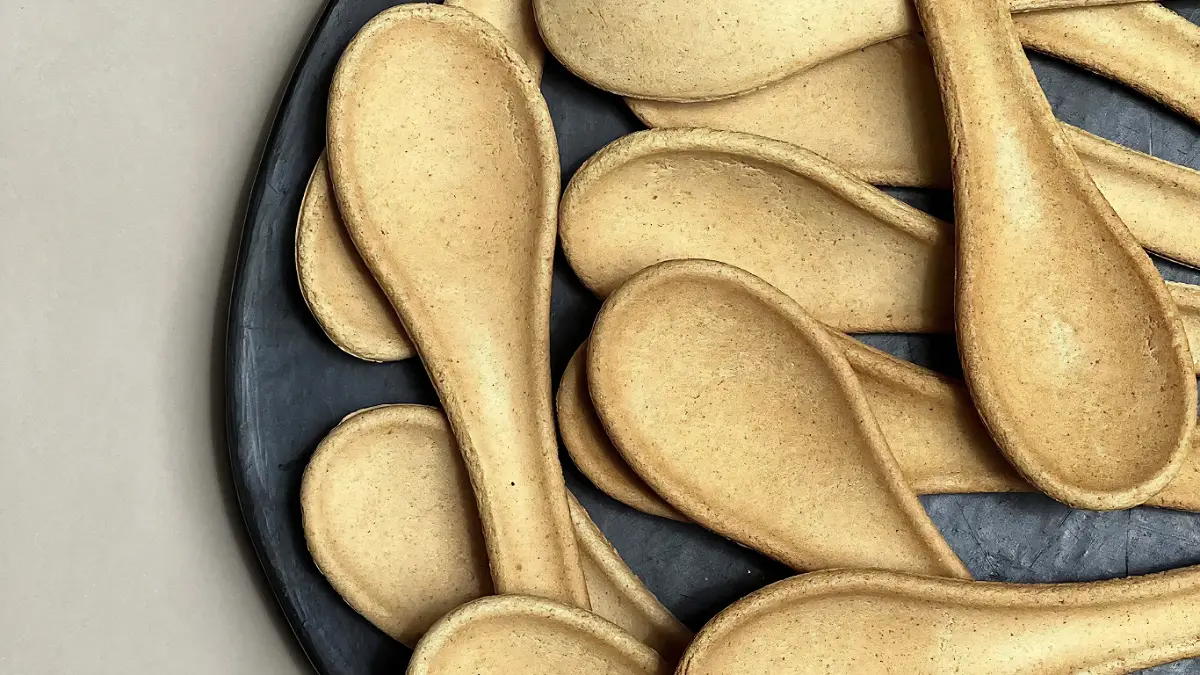
May 16, 2026: Walk into any sustainability review meeting at a hotel today, and one small item keeps coming up on the table, cutlery, and how to get rid of it without leaving a trace.
Edible spoons are quietly finding their way into hospitality operations as hotels and restaurants move away from single-use plastics. It’s not a trend piece anymore. It’s a response to tightening regulations and guests who are watching what you throw away. And the shift is getting real. Unlike biodegradable options that still rely on composting systems, edible spoons solve the problem on the spot. They’re either eaten or they break down naturally. No bins. No backend processing. No microplastic worry.
Shift Driven by Regulation and Consumer Demand
Regulation is forcing the first move. Across markets, single-use plastics are being phased out, and operators are being pushed to find replacements that actually work during service, not just on paper. But guests are pushing just as hard. People now expect visible sustainability. Not claims. Not labels. Something they can see and touch during their meal. Edible spoons, made from millets, wheat, and corn, are holding up so far. They stay firm across temperatures. And millets, in particular, give them the strength to not fall apart mid-use.
Economics and Market Growth
Here’s the friction, cost. At roughly $0.10 per spoon, edible cutlery is still far more expensive than plastic. That gap matters, especially for mid-scale and budget operators running tight margins. And that’s slowing adoption. But the growth curve is steady. The segment is expanding at around 12.7% CAGR, and scale is expected to bring prices down over time. For now, many operators are absorbing the cost as a branding move. It’s not just about waste. It’s about how the brand looks in front of the guest.
Operational and Supply Chain Challenges
The idea is simple. The execution isn’t. Durability is still being tested. Hot liquids and longer usage times can push the product to its limits. And operators need consistency during service, not surprises. Then comes storage. This isn’t plastic sitting in a box. It’s food. That means moisture control, hygiene protocols, and careful handling. This adds layers to operations. Suppliers are now working on packaging that keeps the product safe while staying aligned with sustainability goals. And supply chains are being adjusted to fit these new requirements.
Role in Circular Hospitality Models
This is bigger than just replacing a spoon. It’s part of a larger shift toward circular thinking, where waste isn’t managed, it’s removed altogether. Edible cutlery flips the idea of disposal. What used to be thrown away becomes part of the consumption cycle. And that changes how operators think. As regulations tighten and guest expectations sharpen, edible spoons are moving out of the “novelty” bucket. They’re becoming a working solution. Not perfect yet. But clearly, they’re here to stay.