Ethiopia’s Expanding Hotel Pipeline Signals New Phase for East African Tourism Growth
Ethiopia’s growing hotel pipeline is reshaping East Africa’s tourism landscape as new hospitality developments across Ethiopia, Kenya and Tanzania strengthen the region’s global travel competitiveness.
 Pratyaksha Singh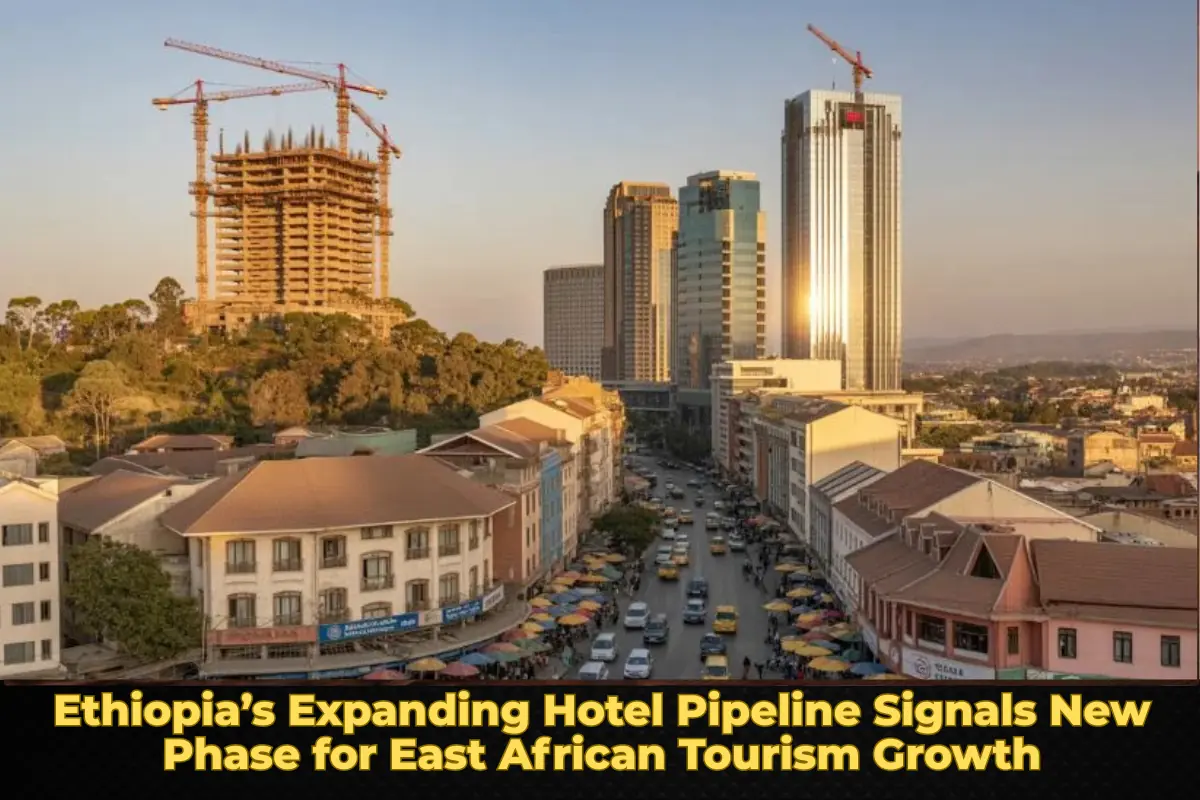
Ethiopia’s Expanding Hotel Pipeline Signals New Phase for East African Tourism Growth
Ethiopia is witnessing a rapid expansion of its hotel development pipeline, a trend that industry analysts say is reshaping the future of tourism across East Africa. The surge in hospitality investment is being driven by rising international travel demand, increased business activity, and stronger regional cooperation between tourism markets in Ethiopia, Kenya and Tanzania. The new wave of hotel projects is expected to significantly increase accommodation capacity while supporting the region’s broader strategy to strengthen its position in the global tourism industry.
Hospitality developers and international hotel brands have been accelerating investment in East Africa as tourism recovers and economic activity grows across the region. Ethiopia, with its expanding aviation sector and its role as a diplomatic and business hub, has become one of the focal points for new hotel developments.
The growing hotel pipeline includes luxury properties, upscale business hotels and mid‑scale accommodation designed to meet the diverse needs of international visitors, business travelers and regional tourists. Industry experts say the expansion will help address existing accommodation gaps while improving service standards across the region.
Ethiopia Emerging as a Hospitality Investment Hub
Ethiopia has increasingly positioned itself as a strategic hub for tourism and business travel in East Africa. The capital city of Addis Ababa hosts numerous international organizations, diplomatic missions and corporate headquarters, making it a key destination for conferences, government meetings and global events.
This steady flow of international visitors has created growing demand for modern hotels capable of hosting large numbers of guests and providing high‑quality meeting facilities. Developers have responded by planning and constructing new hotels that cater to both luxury and mid‑range market segments.
The Ethiopian government has also encouraged tourism development by supporting infrastructure improvements, airport expansion and policies aimed at attracting foreign investment. These initiatives have strengthened confidence among hospitality investors seeking opportunities in emerging African markets.
As a result, Addis Ababa has become one of the fastest‑growing hotel markets in the region, with multiple projects under development or in advanced planning stages.
Regional Growth Across East Africa
The hotel development boom is not limited to Ethiopia alone. Neighboring countries such as Kenya and Tanzania are also experiencing strong hospitality growth as international brands and local developers expand their presence.
Kenya’s tourism sector remains one of the most established in Africa, supported by world‑famous wildlife destinations, coastal resorts and a strong meetings and conferences industry in Nairobi. The country has seen continued investment in both urban business hotels and safari lodges that serve international travelers.
Tanzania, meanwhile, continues to benefit from its globally recognized attractions including the Serengeti ecosystem, Mount Kilimanjaro and the island destination of Zanzibar. These locations attract travelers seeking safari experiences, adventure tourism and beach vacations.
The expansion of hotels across these markets reflects the growing integration of tourism economies within East Africa, where travelers often visit multiple countries during a single trip.
International Hotel Brands Expanding Presence
Global hotel companies have increasingly identified East Africa as a priority market for expansion. International brands are entering partnerships with local developers to establish new properties that meet global hospitality standards.
These partnerships allow hotel operators to combine international expertise with local market knowledge, creating properties that appeal to both global and regional travelers. The presence of international brands also enhances the visibility of destinations within global travel networks.
Many of the new hotels being developed in the region include modern conference facilities, wellness amenities and advanced sustainability features. These elements are designed to attract corporate events, business travel and high‑value tourism.
Hospitality analysts say that the arrival of global brands can significantly boost the reputation of emerging tourism destinations while encouraging further investment in the sector.
Infrastructure Development Supporting Tourism
Infrastructure improvements have played a critical role in enabling East Africa’s hotel development boom. Governments across the region have invested in airports, road networks and tourism facilities to support growing visitor numbers.
Air connectivity has improved significantly in recent years, allowing travelers to reach major cities and tourist destinations more easily. New flight routes and expanded airport capacity have helped increase international arrivals while supporting domestic travel within the region.
In Ethiopia, the expansion of aviation infrastructure has been particularly significant. Improved connectivity through Addis Ababa has made it easier for travelers to access other parts of East Africa, encouraging multi‑destination travel itineraries.
Infrastructure improvements have also helped open previously remote tourism areas, allowing developers to consider hotel projects in regions that were previously difficult to access.
Economic Benefits of Hospitality Development
The rapid growth of the hotel sector across East Africa is generating widespread economic benefits. Hospitality projects create employment opportunities during both construction and operation phases, providing jobs in areas such as hotel management, food service, housekeeping and tourism services.
Local businesses also benefit from increased tourism activity, as hotels require supplies ranging from agricultural products to transportation services and cultural entertainment. These linkages help stimulate economic growth across multiple sectors.
Tourism revenue provides governments with foreign exchange earnings while supporting investments in infrastructure and community development programs. In many destinations, tourism has become a major contributor to national economic growth.
Industry observers say the continued expansion of hotel infrastructure will play an important role in supporting sustainable economic development across the region.
Growing Importance of Business and Conference Tourism
In addition to leisure travel, East Africa is increasingly positioning itself as a destination for conferences, exhibitions and corporate meetings. Cities such as Addis Ababa and Nairobi regularly host international events that attract participants from around the world.
Modern hotels equipped with conference halls, meeting rooms and event facilities are essential for supporting this segment of the travel industry. As new properties open, the region’s ability to host large‑scale events is expected to improve.
The meetings, incentives, conferences and exhibitions segment has become one of the fastest‑growing areas of global tourism. Destinations that invest in hospitality infrastructure and event facilities often gain a competitive advantage in attracting international gatherings.
East Africa’s growing network of modern hotels is expected to support the expansion of this important tourism segment.
Focus on Sustainable Tourism Development
Sustainability has become an increasingly important consideration in hotel development across East Africa. Many new properties incorporate eco‑friendly building designs, energy‑efficient technologies and responsible waste management systems.
Developers are also working with local communities to ensure that tourism growth benefits residents while protecting natural ecosystems. Wildlife conservation and environmental protection remain key priorities for many destinations that rely on nature‑based tourism.
Hotels located near national parks and wildlife reserves are adopting practices aimed at minimizing environmental impact while enhancing the visitor experience.
Industry experts emphasize that sustainable tourism development will be essential for maintaining the long‑term attractiveness of East Africa’s natural and cultural destinations.
Future Outlook for East African Tourism
The expanding hotel pipeline in Ethiopia and across the broader East African region reflects growing global confidence in the area’s tourism potential. Investors and hospitality companies see significant opportunities as travel demand continues to rise and infrastructure improvements make destinations more accessible.
Governments in Ethiopia, Kenya and Tanzania are working to strengthen tourism promotion strategies while encouraging private sector investment in hospitality infrastructure. These efforts are expected to further accelerate hotel development and enhance the region’s international competitiveness.
As new properties open and visitor numbers increase, East Africa is likely to emerge as one of the most dynamic tourism markets on the African continent.
The continued expansion of Ethiopia’s hotel pipeline highlights the broader transformation taking place in East Africa’s hospitality sector, where rising investment and improving infrastructure are creating new opportunities for tourism growth.
Industry observers say the region’s hotel development momentum is expected to continue in the coming years as investors respond to increasing travel demand and the growing global appeal of East African destinations.