Fujairah Hotels Hit 95–100% Occupancy in Early 2026 Tourism Surge
Fujairah records 95–100% hotel occupancy in early 2026 as international tourism surges, driven by infrastructure investment, connectivity, and diversified travel offerings.
 Pratyaksha Singh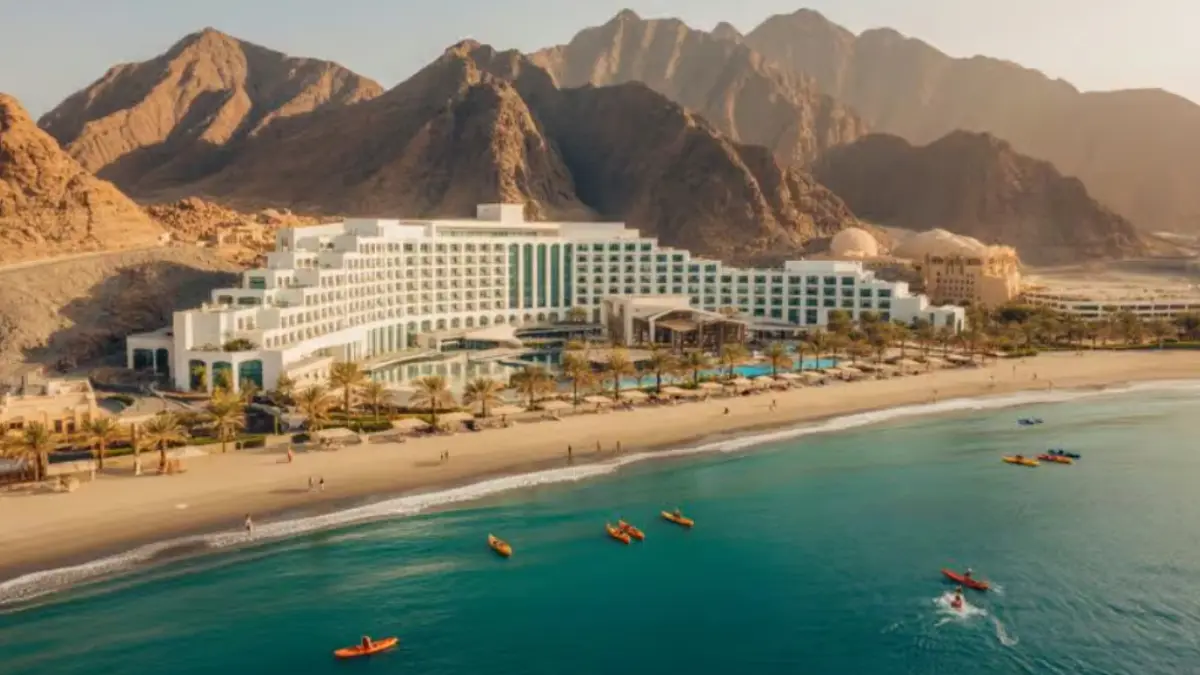
Fujairah, UAE | April 20, 2026 — Fujairah’s hospitality sector recorded a major milestone in early 2026, with hotel occupancy rates reaching between 95% and 100% during the first quarter, reflecting a sharp rise in international visitor arrivals and sustained demand across leisure and business travel segments.
The near-full occupancy levels mark one of the strongest performances for the emirate to date, positioning Fujairah as an increasingly competitive destination within the UAE’s tourism landscape. The surge highlights the impact of targeted government initiatives aimed at expanding tourism infrastructure and diversifying visitor experiences.
Occupancy Peaks Reflect Strong Demand Growth
According to tourism authorities, the emirate experienced a significant increase in visitor numbers during the first quarter of 2026, driving hotel occupancy to near-capacity levels. This performance indicates a structural shift in demand, with Fujairah gaining traction among both regional and international travelers.
The emirate’s hospitality market has benefited from a combination of natural attractions, improved accessibility, and increased accommodation supply. Hotels across segments reported high utilization rates, particularly during peak travel periods, as demand continued to outpace available inventory.
Government Strategy and Infrastructure Investments
The growth has been supported by sustained government investment in tourism infrastructure, including road connectivity, hospitality developments, and recreational facilities. Authorities have focused on positioning Fujairah as a year-round destination, leveraging its geographical and climatic advantages.
Efforts to diversify tourism offerings have also played a central role. The emirate has expanded its portfolio to include eco-tourism, wellness tourism, cultural experiences, and adventure travel, broadening its appeal beyond traditional beach tourism.
Infrastructure upgrades and the addition of new hotel properties have been aligned with this strategy, ensuring the destination can accommodate rising visitor volumes while maintaining service standards.
Rising International Visitor Interest
The increase in occupancy has been driven not only by domestic and regional travel but also by growing international demand. Visitors from Europe, Asia, and the Middle East have contributed to the emirate’s tourism growth, supported by improved connectivity and proximity to Dubai.
Fujairah’s location, within accessible distance from major aviation hubs, has strengthened its position as an alternative destination for travelers seeking less congested environments. The ability to combine accessibility with distinct experiences has enhanced its global appeal.
Diversified Tourism Offerings Strengthen Positioning
The emirate’s tourism strategy is anchored in its diverse natural and cultural assets. Mountain landscapes, coastal attractions, and heritage sites provide a varied experience for visitors.
Outdoor activities in the Hajar Mountains, including hiking and exploration of valleys and gorges, have emerged as key draws. Coastal tourism continues to attract visitors through beaches and water-based activities such as diving and snorkeling.
Cultural landmarks, including historic mosques and forts, have strengthened the destination’s heritage tourism segment. At the same time, wellness tourism has gained traction, supported by luxury resorts offering spa and relaxation experiences in a tranquil setting.
Implications for Hospitality and Future Development
The sustained high occupancy levels underscore the need for continued expansion of hospitality infrastructure in the emirate. Rising demand is expected to drive further hotel development and investment activity, particularly in upscale and experiential segments.
The tourism sector’s performance also has broader economic implications, including increased employment opportunities and growth in ancillary services such as transport and retail. Local businesses are expected to benefit from higher visitor spending as tourism activity intensifies.
Authorities continue to emphasize sustainable development as a core component of growth, aiming to balance expansion with environmental preservation. This approach is intended to ensure long-term viability as visitor numbers increase.
With consistent demand across segments and strong occupancy indicators, Fujairah’s hospitality sector has emerged as a key contributor to the UAE’s tourism diversification strategy, reflecting a broader shift toward multi-destination travel within the region.