Ganga Expressway Opens, Cuts Meerut–Prayagraj Travel to 6 Hrs
The 594 km Ganga Expressway cuts Meerut–Prayagraj travel to six hours, boosting tourism, trade, and regional development across Uttar Pradesh.
 nishathapa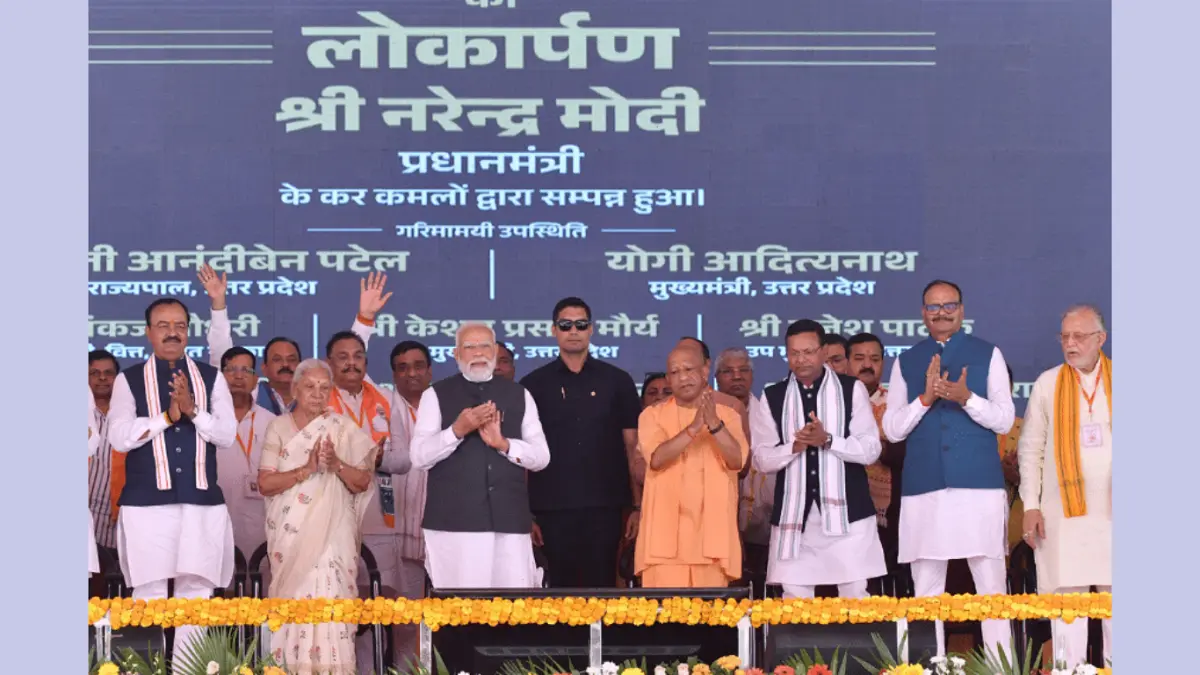
Meerut/Prayagraj, April 29, 2026: Uttar Pradesh has operationalised the 594-kilometre Ganga Expressway, a six-lane access-controlled corridor connecting Meerut to Prayagraj, built at an estimated cost of ₹36,230 crore. The project is expected to significantly reduce travel time between the two cities to approximately six hours while strengthening connectivity across western, central, and eastern parts of the state.
The expressway traverses 12 districts, including Hapur, Bulandshahr, Amroha, Sambhal, Badaun, Shahjahanpur, Hardoi, Unnao, Raebareli, and Pratapgarh, linking key economic, religious, and cultural zones. The corridor is positioned to facilitate faster mobility, improve logistics efficiency, and enable better access to tourism destinations.
Travel time reduction and infrastructure scale
The newly inaugurated highway reduces the earlier travel duration of 10–12 hours between Meerut and Prayagraj to nearly half. The six-lane configuration ensures high-speed transit, supporting both passenger and freight movement. Built over five years, the expressway is part of Uttar Pradesh’s broader infrastructure expansion strategy, which includes integrated connectivity through expressways, airports, and industrial corridors.
The project is also designed for future scalability, with plans already underway to extend the route beyond Meerut towards Haridwar, while integrating it with other expressway networks to create a seamless transport grid across the state.
Boost to tourism and pilgrimage circuits
The Ganga Expressway improves access to multiple religious and heritage destinations across Uttar Pradesh. Key sites along the corridor include Brajghat Garhmukteshwar, Avantika Devi Temple, Vasudev Temple, Shri Ramchandra Virajman Temple, Parshuram Temple, and Lakshagriha. In eastern Uttar Pradesh, improved connectivity extends to Vaneshwar Mahadev Temple, Chamunda Shaktipeeth, Maa Jwala Devi Dham, Nawabganj eco-tourism zone, and Prayagraj.
The corridor also enhances access to ecological sites such as the Prayagraj Blackbuck Reserve, potentially supporting eco-tourism development. Government officials have indicated that the expressway could energise established circuits such as the Jain circuit, Mahabharata circuit, and the Sambhal-based Kalki Dham route.
Regional impact on Hastinapur and emerging destinations
Hastinapur in Meerut district is among the regions expected to benefit from increased connectivity. Known for its association with the Mahabharata and its significance as a Jain pilgrimage centre, the area is undergoing an integrated tourism development project valued at over ₹15 crore.
Improved road access is likely to increase visitor inflow from Delhi-NCR and surrounding regions. Landmarks such as Pandeshwar Mahadev Temple, Karna Temple, Ulta Kheda excavation site, and Hastinapur Wildlife Sanctuary may see higher visibility and footfall. Similarly, the Sambhal region is projected to witness increased tourism activity due to better accessibility.
Economic and industrial implications
The expressway is expected to support economic activity across multiple sectors by improving supply chain efficiency and market access. Agricultural produce and regional goods, including sports equipment from Meerut, handloom products from Hardoi, leather goods from Unnao, and amla-based products from Pratapgarh, are likely to benefit from faster transportation.
Authorities have stated that the corridor will attract industrial investment across the 12 connected districts, creating employment opportunities and supporting regional development. The infrastructure is also expected to improve connectivity between production centres and consumption markets, reducing transit delays and logistics costs.
Government outlook on development
Speaking at the inauguration, Prime Minister Narendra Modi described the Ganga Expressway as a key driver of economic and social transformation in Uttar Pradesh. He highlighted the role of infrastructure in accelerating development and improving connectivity, stating that the project represents a broader shift in the state’s growth trajectory.
Officials have also pointed to parallel infrastructure initiatives, including the development of 21 airports, five of which are international, and expansion in industrial corridors and defence manufacturing. The expressway is positioned within this larger framework as a critical component of the state’s connectivity ecosystem.
Tourism and Culture Minister Jaiveer Singh noted that the improved connectivity would facilitate easier travel between western and eastern Uttar Pradesh while supporting the growth of religious and eco-tourism destinations. The project is expected to enhance accessibility to pilgrimage sites and cultural landmarks, contributing to increased visitor movement across the state.
The Ganga Expressway marks a significant addition to Uttar Pradesh’s infrastructure network, with implications for tourism, trade, and regional integration as the state continues to expand its connectivity framework.