Hilton Expands Lifestyle Hotels Across Jiangsu Province
Hilton expands lifestyle hotels across Jiangsu province with new Curio Collection and Tapestry Collection projects in China.
 Pratyaksha Singh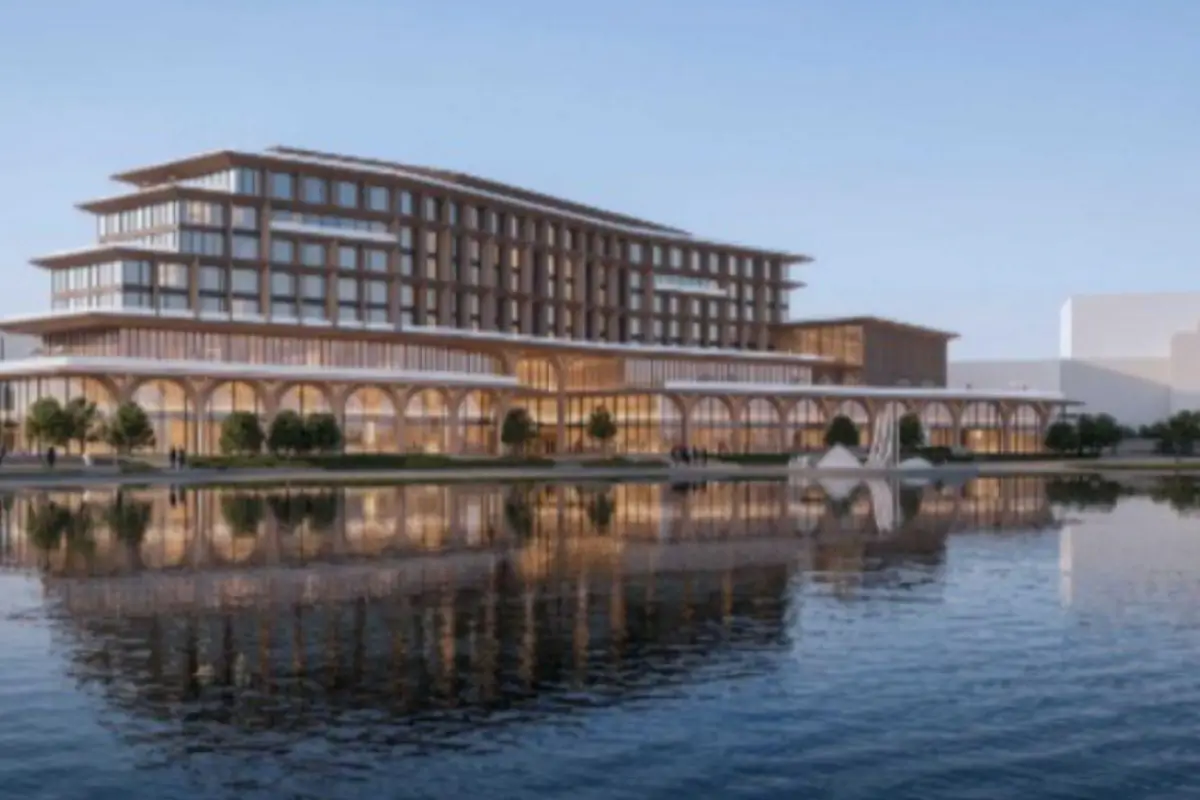
Hilton Jiangsu Hotels are set to strengthen the company’s long-term expansion strategy in China through two new lifestyle hospitality projects planned across Jiangsu province.
The international hotel group has confirmed the signing of a Curio Collection by Hilton property in Nanjing and a Tapestry Collection by Hilton hotel in Wuxi, with both projects expected to open in 2028.
Industry analysts believe the developments reflect rising demand for design-led and experience-driven hospitality across China’s major economic regions.
The new projects also reinforce Hilton’s growing focus on lifestyle hotel concepts that combine global service standards with locally inspired guest experiences.
The Curio Collection by Hilton hotel in Nanjing will feature 232 guestrooms and will become the brand’s first property in the city.
Located in the Xianlin area of Qixia District, the hotel is expected to reflect Nanjing’s strong cultural identity, historical significance, and expanding urban development landscape.
Hospitality experts note that Curio Collection by Hilton properties are designed to emphasize individuality and destination storytelling while maintaining Hilton’s international operational systems.
The Xianlin district has rapidly evolved into a mixed-use urban hub supported by improved infrastructure, academic institutions, commercial activity, and growing regional connectivity.
As a result, the property is expected to attract both business travelers and leisure tourists visiting eastern China.
In Wuxi, Hilton will introduce the Tapestry Collection by Hilton brand to the Yangtze River Delta for the first time.
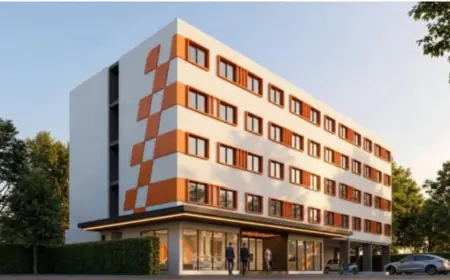
The project will involve transforming an existing U-shaped structure within Huishan New Town into a 150-room upscale lifestyle hotel.
Industry observers believe adaptive reuse projects are becoming increasingly popular across the global hospitality sector as hotel groups seek sustainable and culturally distinctive development models.
Rather than constructing entirely new buildings, lifestyle brands are increasingly reimagining existing structures into design-focused hospitality experiences.
The Wuxi property is expected to integrate local cultural influences inspired by the city’s waterways, manufacturing heritage, and commercial identity.
By embedding local storytelling and neighborhood character into the guest experience, Hilton aims to differentiate the property within China’s highly competitive hospitality market.
The two signings highlight Hilton’s broader strategy of expanding lifestyle hospitality brands across China’s key economic corridors.
The Yangtze River Delta remains one of the country’s most important economic and tourism regions, connecting major urban centers including Shanghai, Nanjing, Suzhou, and Wuxi.
Industry analysts note that strong regional connectivity, urban development, and rising domestic tourism demand continue driving hospitality investment throughout eastern China.
Travelers increasingly seek hotels offering authentic local experiences, personalized design, and stronger emotional connections to destinations rather than standardized accommodations.
Lifestyle brands such as Curio Collection by Hilton and Tapestry Collection by Hilton have been positioned specifically to meet these changing traveler expectations.
Both hotels will also become part of the Hilton Honors ecosystem, allowing guests to access Hilton’s global loyalty platform and digital hospitality services.
Features including mobile check-in, Digital Key access, room selection, and app-based guest services continue shaping modern hospitality experiences across international markets.
Industry experts believe technology integration and personalized guest engagement remain central to the future of lifestyle hospitality.
The latest Jiangsu signings additionally support Hilton’s larger Asia-Pacific growth ambitions.
The company has continued accelerating expansion across luxury and lifestyle hospitality categories throughout the region as travel demand rebounds and consumer preferences evolve.
China remains one of Hilton’s most important long-term markets due to strong domestic tourism growth, rising middle-class travel spending, and increasing demand for internationally recognized hospitality brands.
Developers across China are also increasingly partnering with global hotel groups capable of balancing international recognition with locally adaptive hotel concepts.
As openings move closer toward 2028, the two new Jiangsu projects are expected to strengthen Hilton’s presence in eastern China while contributing to the ongoing transformation of the country’s lifestyle hospitality sector.
The developments also reflect broader global tourism trends where travelers increasingly prioritize identity, design, cultural immersion, and personalized experiences when choosing accommodations.