Hotel Riu Palace Phuket Opens on Mai Khao Beach in 2026
Hotel Riu Palace Phuket opens on Mai Khao Beach with 504 rooms, five restaurants, a waterpark and an all-inclusive format marking Riu Hotels Thailand's first property.
 RUKAIYA KADIWAL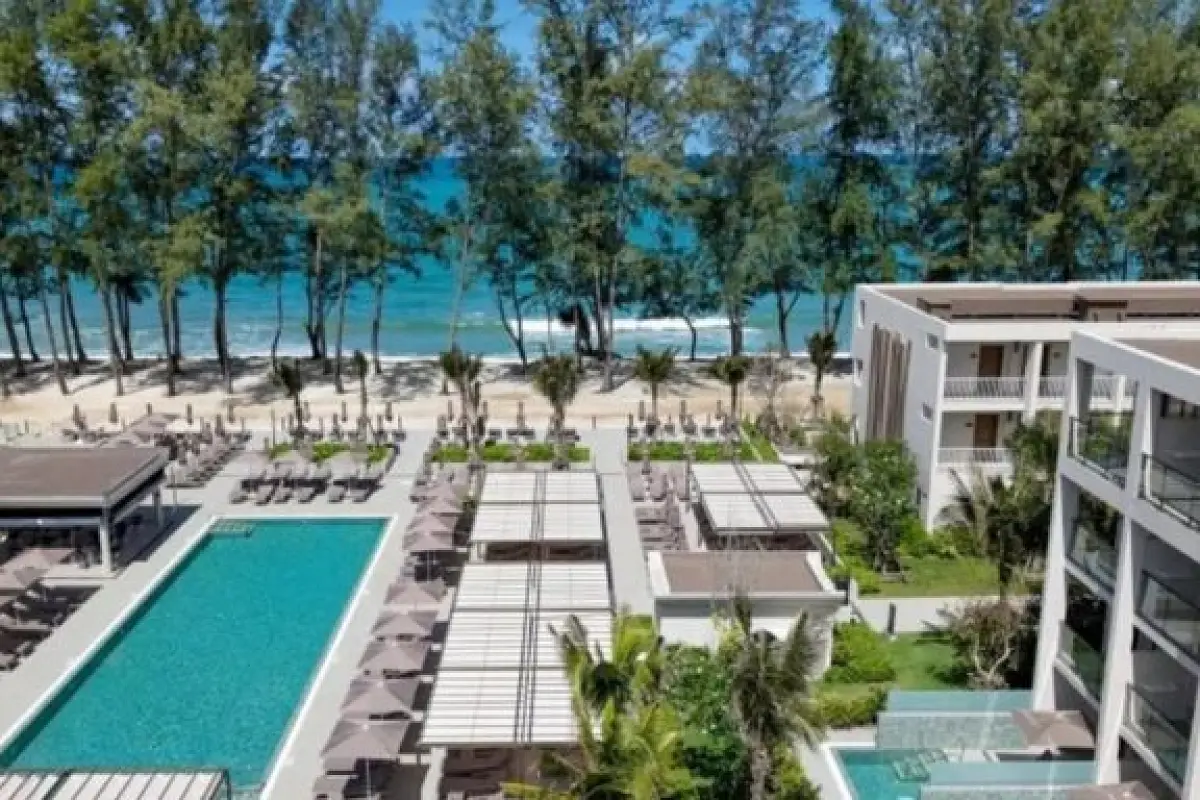
The casuarina trees at Mai Khao Beach resort end where the sand begins, their thin branches catching the wind that comes off the Andaman Sea in the particular way that wind moves through coastal tree lines in the north of Phuket, softer than the southern beaches, less crowded than the areas around Patong and Kata, and still holding something of the island that existed before the hotels multiplied along its western coast. It is into this stretch of shoreline that Riu Hotels has brought its first Thai property, opening on the longest beach on Phuket at a scale that makes the word property feel inadequate. Five hundred and four rooms. Five restaurants. Seven bars. A waterpark. A spa. An all-inclusive model applied to a Phuket luxury resort address that the Riu brand has been building toward for years.
Hotel Riu Palace Phuket Opens on Mai Khao Beach
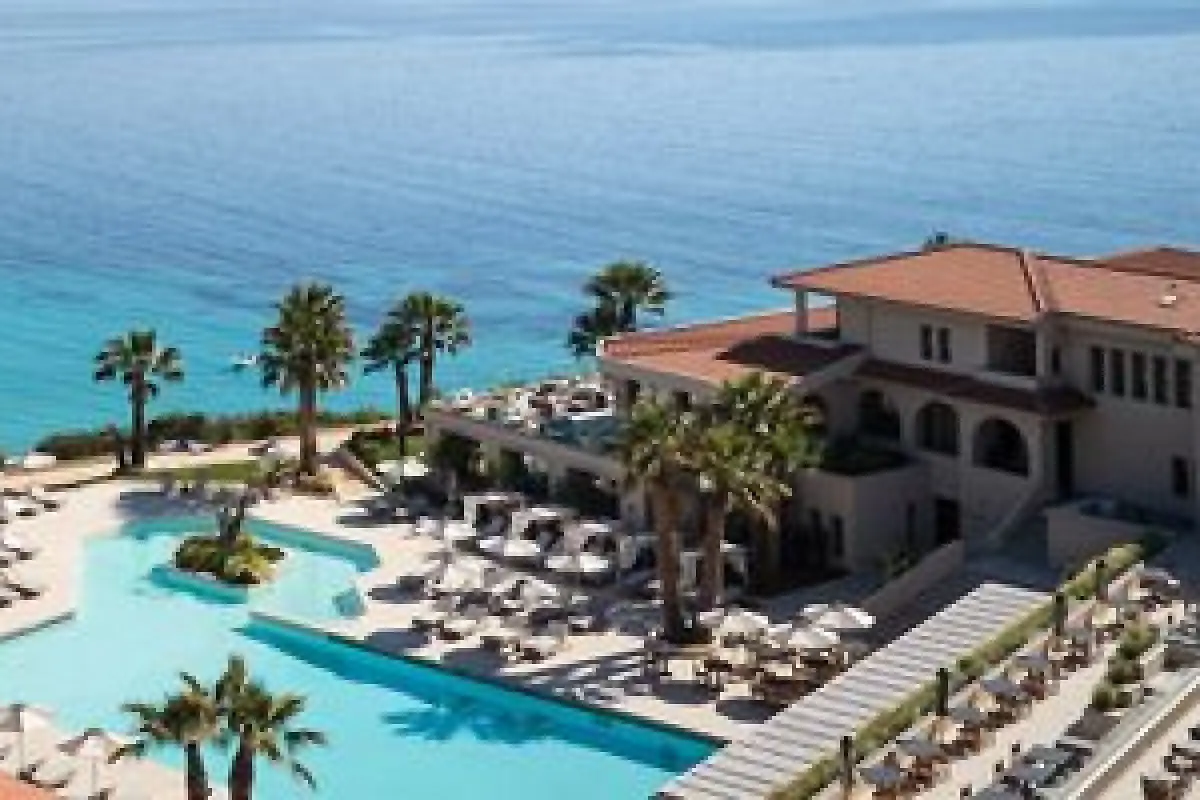
Hotel Riu Palace Phuket opened on September 21, 2026, on Mai Khao Beach in the north of Phuket, Thailand, marking Riu Hotels Thailand's first presence in the country and its second property in Asia following the opening of Riu Palace Sri Lanka in 2024. The 504-room resort Phuket operates as a five-star all-inclusive property under the RIU Palace brand, the group's premium tier, with accommodation across single-storey bungalows and four-storey hotel buildings that together cover a beachfront site designed to give guests multiple options in how they experience the property's relationship with the Andaman Sea.
The opening represents a significant commitment by Riu Hotels & Resorts Phuket to the Asian market at a moment when the continent's tourism recovery has produced the kind of sustained demand growth that justifies the capital required for a property of this scale. The Spanish hotel group, founded in Mallorca in 1953 and now operating more than 100 hotels globally, has been extending its geographical footprint into Asia with a deliberateness that the timing of both its Sri Lanka and Thailand openings reflects.
What the All-Inclusive Model Looks Like at This Scale
The all-inclusive format at Riu Palace Phuket operates across a dining and beverage programme that the resort's five restaurants and seven bars are designed to sustain across the full range of guest appetites and occasions. The main buffet restaurant, Krabi, serves all three meal periods with live cooking stations and a range of international and Thai dishes that the property's kitchen team rotates through the week to give guests who stay for seven nights a different daily experience rather than a repeated rotation of the same offerings.
Nong Khai, the Thai specialty restaurant, positions local cuisine at the centre of the dining programme rather than treating it as a supplementary option alongside the main buffet. A Riu Hotels Thailand property that did not engage seriously with Thai food would be missing an obvious opportunity, and the decision to give Thai cooking its own dedicated restaurant rather than folding it into the international buffet signals an understanding of why guests choose Thailand over other beach destinations when they book an all-inclusive holiday. The food is part of what they came for.
Okra, the fusion restaurant, and the poolside and beach dining options extend the programme into the casual registers that a 504-room beach resort needs to cover, giving guests who want to eat in a swimsuit at noon the same quality of food they would find at a restaurant table in the evening. The RIU Bar, the centrepiece of the evening social programme, anchors the adult entertainment and live performance schedule that the all-inclusive format is expected to provide.
Accommodation Across Two Formats and What the Distinction Produces
The 504-room resort Phuket distributes its accommodation across two building types whose different characters give guests a meaningful choice about how they want to experience the property. The single-storey bungalows, organised around the RiuLand waterpark at the centre of the resort, create a low-rise village environment at the property's heart, an intimacy of scale that the four-storey hotel buildings do not provide. Those buildings, positioned at the edges of the site, offer the upper-floor rooms the elevated beach or pool views that compensate for the distance from the waterpark and the more compact room layouts that multi-storey construction typically requires.
The 82 swim-up rooms built into the poolside buildings extend the Phuket luxury resort offer into the category that has become increasingly expected at five-star all-inclusive properties across Southeast Asia, where the private pool access that villa resorts typically provide at a premium can be approximated through direct pool access from a ground-floor room. For a couple who chose Riu Palace Phuket for a honeymoon or anniversary stay, the swim-up room represents the upgrade that justifies the premium within a format that is already inclusive in its pricing.
Luis Riu and What the Asian Expansion Means for the Group
Luis Riu, CEO of Riu Hotels and Resorts, described the Phuket opening within the company's longer strategic arc in terms that connect the specific property to a decade-long vision for the brand's Asian presence. "I have been working toward this for many years," he said. "This hotel represents the consolidation of our efforts to expand in Asia and is a milestone in our international growth strategy." His framing positions the Riu Thailand opening not as a market entry made possible by the opportunity of a single site but as the fulfillment of a strategic commitment that the group has been building toward since before its Sri Lanka opening in 2024.
Riu went further in articulating what Mai Khao Beach specifically offered the group. "We searched all around Asia for the right destination, and we found it in the north of Phuket, on Mai Khao Beach," he said. "This spot is truly special: pristine beaches, a natural environment, and the opportunity to build a resort that we can be proud of." The language of searching across Asia before settling on this specific beach suggests a selection process calibrated around the particular character of the Mai Khao Beach resort location, its length, its relative quietness compared to southern Phuket, and the natural environment that the casuarina trees and the Andaman horizon provide without any architectural intervention.
Mai Khao Beach and What the Northern Shore Offers
Mai Khao is Phuket's longest beach, stretching approximately seventeen kilometres along the island's northern coastline. Its length and its relative distance from the airport and shopping areas that anchor southern Phuket have preserved a character that the more developed beaches around Patong, Karon, and Kata gave up to mass tourism years ago. Sea turtles nest on Mai Khao Beach between November and February, a fact that the local community and the resorts that have opened along its length treat as a shared custodial responsibility rather than a tourism amenity.
For Riu Hotels & Resorts Phuket, choosing this location over the more developed southern beaches was a decision about the kind of guest experience the property intends to provide. A five-star hotel Phuket on Mai Khao beach is a resort where the natural environment is a primary asset rather than a backdrop. The guests who choose it are choosing the quieter end of the island, and the resort's design has to justify that choice by delivering what the southern beaches cannot: space, tranquility, and a beach that still feels like a beach rather than a commercial strip.
What the Waterpark Adds and Who It Serves
The RiuLand waterpark at the centre of the property is the design decision that most clearly signals Riu Palace Phuket's ambition to serve family travellers alongside couples and adults-only guests. Waterparks within hotel grounds have become a standard feature of large-scale all-inclusive resorts across the Caribbean and Mediterranean, where the format was refined over decades, but they remain less common at five-star beachfront properties in Southeast Asia, where the beach itself has historically been considered sufficient entertainment infrastructure.
The addition of a waterpark to a Phuket luxury resort at this scale reflects an understanding of what the all-inclusive guest travelling with children requires: a contained, safe, stimulating environment within the property that gives children a reason to stay on-site while their parents use the adult pool, the spa, or the beach. The bungalow accommodation organised around the waterpark is the spatial expression of the same logic, placing families in the area of the property closest to the activity they will use most.
Phuket's Hospitality Market and Where Riu Has Entered It
Phuket's hotel market has absorbed significant new supply across the past decade, driven by a visitor base that has continued to grow from multiple international source markets even as the domestic Thai traveller has become a more significant component of the island's hospitality demand. The all-inclusive format that Riu Hotels Thailand brings to the market occupies a specific segment within that landscape, one that has been underdeveloped relative to its potential on an island whose visitor profile includes large numbers of European package travellers who are accustomed to the all-inclusive model from Caribbean and Mediterranean holidays and who have historically had to accept a different booking format when choosing Thailand as a destination.
A five-star hotel Phuket operating under a genuine all-inclusive model, with the breadth of dining and beverage programming that 504 rooms at the RIU Palace level require, gives the island a hospitality product that was not previously available at this scale. Whether the European package market that makes all-inclusive commercially viable in other Riu markets is willing to redirect its travel spend toward Thailand at the prices required to sustain a property of this investment level is the commercial question that the opening season will begin to answer.
A Beach That Waits for the People Who Choose It
Mai Khao Beach in the early morning, before the resort's guests have moved from their rooms to the loungers that line the property's beach frontage, is still the beach that Luis Riu described when he said he found something truly special. The casuarina trees are still there. The Andaman Sea is still there. The nesting ground that the turtles return to between November and February is still there, as it was before any resort was built along this stretch of coastline and will be after whatever comes next. Hotel Riu Palace Phuket has arrived on a beach that was already something, and the measure of whether it earns its place on it will not be found in the room count or the waterpark or the number of restaurants open for dinner. It will be found in whether, years from now, the guests who stayed in its bungalows and swam in its pools and ate in Nong Khai at least once describe Mai Khao as the beach they keep returning to, which is the only test that matters for a property whose CEO has been working toward it for many years.
Related reading: Azizi Hospitality hotel Dubai 2028 breaks ground at Meydan