HRAWI Hosts Knowledge Series II on DPDP, GST and Labour Codes
HRAWI Knowledge Series II highlights DPDP rules, GST changes, labour codes and Maharashtra Tourism Policy 2024 shaping India’s hospitality sector compliance landscape.
 nishathapa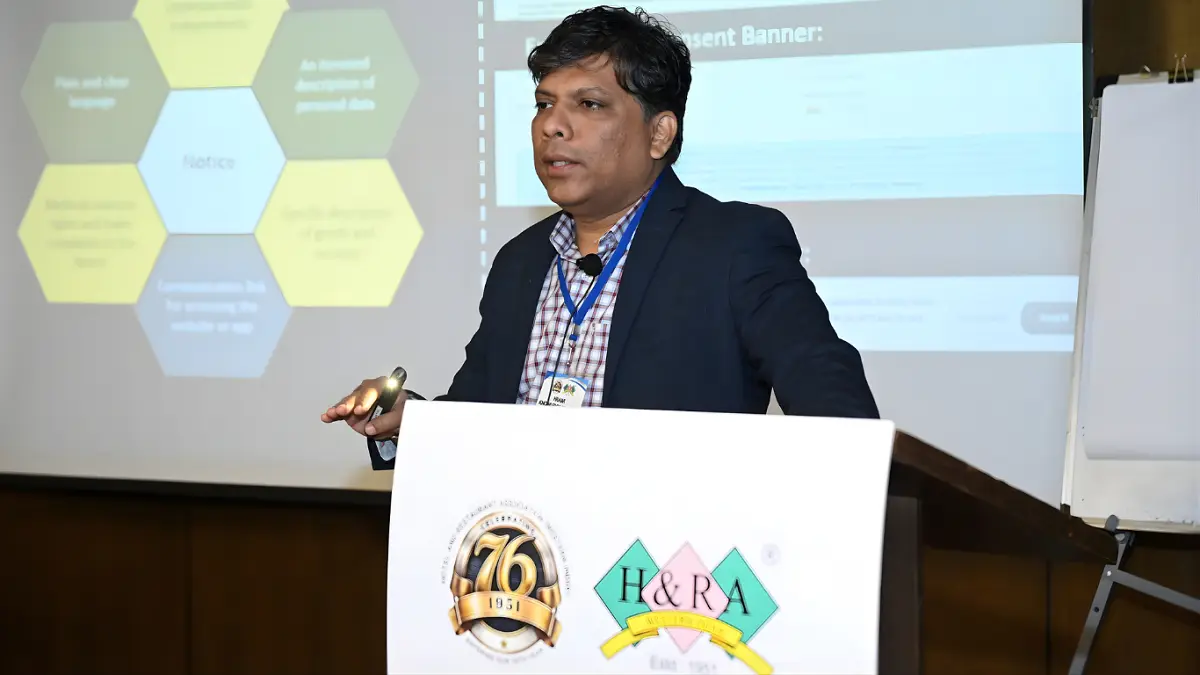
Mumbai, India, April 2026: The Hotel And Restaurant Association of Western India (HRAWI) hosted the second edition of its Knowledge Series, bringing together industry stakeholders and subject experts to address key regulatory developments impacting the hospitality sector, including data protection rules, GST changes, labour code reforms and tourism policy updates.
The session focused on equipping hospitality businesses with practical insights to navigate an increasingly complex compliance environment. With evolving regulations influencing operations across data handling, taxation, workforce management and investment planning, the initiative aimed to support industry preparedness and operational alignment.
Regulatory landscape drives need for structured compliance
The Knowledge Series II centred on major policy and regulatory shifts affecting hotels and restaurants, with discussions covering the Digital Personal Data Protection (DPDP) Rules, Goods and Services Tax (GST) changes, new labour codes and the Maharashtra Tourism Policy 2024.
Industry participants examined how these frameworks are reshaping operational processes, requiring businesses to adopt more structured systems for compliance, reporting and governance. The session highlighted that regulatory adherence is no longer limited to periodic audits but is increasingly integrated into daily operations.
As compliance requirements expand in scope and complexity, the need for awareness, training and system upgrades has become critical for hospitality operators across segments.
Data protection compliance gains operational importance
Data privacy emerged as a key focus area during the discussions, particularly in the context of the DPDP Rules. The session led by Abhijit Parab from Ernst & Young highlighted the growing significance of safeguarding guest data across digital and operational touchpoints.
With hotels managing extensive personal information through bookings, loyalty programmes and service interactions, the implementation of robust consent mechanisms and cybersecurity frameworks was identified as essential. The discussion also emphasised the importance of establishing structured breach response systems to mitigate risks.
Compliance with data protection regulations was positioned as a fundamental requirement not only for legal adherence but also for maintaining customer trust and brand credibility in a data-driven hospitality environment.
GST changes impact pricing and tax strategy
The session on GST updates, led by Akshit Saraogi, addressed the operational and financial implications of recent tax changes and budget amendments. Key areas of discussion included input tax credit (ITC) challenges, pricing strategies and classification issues within the sector.
Participants explored the complexities of operating under different GST slabs, particularly the distinction between 5 per cent and 18 per cent tax regimes, each carrying different implications for margins and credit eligibility. The need for accurate tax classification and timely compliance was highlighted as critical for avoiding financial inefficiencies and regulatory risks.
The session also underscored the importance of aligning pricing strategies with tax structures to maintain competitiveness while ensuring compliance.
Labour code reforms reshape workforce management
Another key discussion focused on the impact of new labour codes set to take effect from late 2025. The session, led by Anshul Shukla and Siladitya Dasgupta, examined how the consolidation of multiple labour laws into a unified framework is expected to bring structural changes to workforce management in hospitality.
The reforms introduce revised wage definitions, expanded social security provisions and stricter compliance requirements. Hospitality businesses were advised to review and update their human resource policies, wage structures and employee classifications to align with the new legal framework.
Given the labour-intensive nature of the hospitality sector, the changes are expected to have a direct impact on cost structures, staffing models and compliance processes.
Maharashtra Tourism Policy 2024 opens investment avenues
The final session addressed opportunities arising from the Maharashtra Tourism Policy 2024, with a focus on its potential to drive investment and infrastructure development. The policy includes incentives such as capital subsidies, SGST reimbursements and support mechanisms for large-scale tourism projects.
Discussions highlighted the policy’s emphasis on sustainable tourism development and regional growth, positioning it as a catalyst for expanding hospitality infrastructure across the state. The framework is expected to encourage new projects and strengthen the overall tourism ecosystem.
For hospitality operators and investors, the policy presents opportunities to align expansion strategies with government incentives while addressing evolving market demand.
Industry engagement reflects focus on preparedness
The Knowledge Series, conducted with Ernst & Young as the official knowledge partner, forms part of HRAWI’s ongoing efforts to build awareness and readiness within the hospitality sector. The sessions are organised on a monthly basis across western India, providing a platform for industry dialogue and knowledge sharing.
According to HRAWI leadership, strong participation in the event reflects the sector’s increasing focus on staying informed about regulatory changes and adapting to new compliance requirements. Initiatives such as the Knowledge Series are positioned as essential tools for strengthening industry resilience and operational capability.
As regulatory frameworks continue to evolve, structured engagement and knowledge dissemination are expected to play a key role in enabling hospitality businesses to manage risks, optimise operations and align with policy developments.