Humano Lima Tribute Portfolio Hotel Opens with 157 Rooms in Miraflores
Humano Lima, a Tribute Portfolio Hotel by Marriott International, opens in Miraflores with 157 rooms, marking the brand’s debut in the Peruvian capital.
 Pratyaksha Singh
Humano Lima, a Tribute Portfolio Hotel has opened in the Miraflores district with 157 rooms, marking the entry of the Tribute Portfolio brand into Peru’s capital and expanding Marriott International’s presence in one of the country’s key hospitality markets.
The opening introduces a lifestyle-oriented property positioned in a high-demand urban location, targeting both international travellers and domestic guests seeking experience-driven accommodation in Lima.
157-room property marks Tribute Portfolio debut in Lima
The hotel features 157 guestrooms across multiple categories, including Superior King, Superior Twin, Junior Suite, Signature Suite, and family-friendly configurations. The range of room types is designed to accommodate diverse travel needs, from short leisure stays to extended business and blended travel segments.
The launch represents the first Tribute Portfolio property in Lima, extending the brand’s footprint into a market that continues to attract investment in internationally branded hotels.
According to a senior executive from Marriott International’s Caribbean and Latin America division, the property has been designed to offer a locally connected and personalised hospitality experience aligned with the surrounding neighbourhood.
Miraflores location strengthens urban hospitality positioning
Situated in Miraflores, one of Lima’s most active commercial and cultural districts, the hotel benefits from strong demand drivers including tourism, business activity, and proximity to retail and dining hubs.
The district remains a preferred location for hotel development due to its year-round occupancy potential and appeal to both corporate and leisure travellers. The addition of a lifestyle brand property further diversifies the area’s accommodation mix.
Industry trends indicate continued operator interest in central urban locations where accessibility and local engagement play a key role in shaping guest experience.
Rooftop dining, social spaces and wellness facilities included
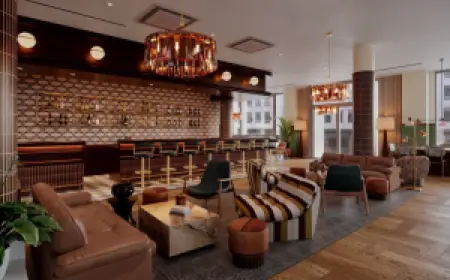
The property incorporates multiple social and dining venues designed to function as shared spaces for guests and local residents. These include a rooftop grill restaurant and an all-day café concept, both positioned as key elements of the hotel’s experiential offering.
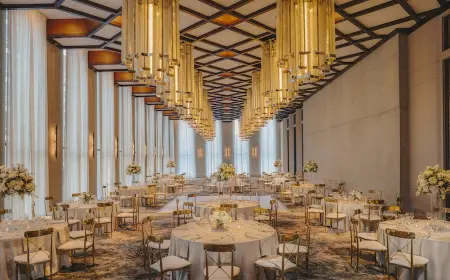
A rooftop pool, wellness facilities, and flexible event spaces are also part of the development, aligning with broader hospitality trends that emphasise multi-functional environments and on-site engagement.
Such features are increasingly integrated into hotel design to support both guest satisfaction and additional revenue streams through food, beverage, and events.
Service model focused on personalised guest engagement
The hotel adopts a service approach centred on tailored guest interactions, with staff providing customised recommendations and local insights. The aim is to encourage visitors to explore Lima beyond conventional tourist circuits while maintaining a consistent service experience.
This approach reflects a wider industry shift towards personalisation, where hotels are positioning themselves as facilitators of local experiences rather than solely accommodation providers.
The property’s concept also emphasises community integration, with spaces designed to encourage interaction between travellers and local residents.
Integration into global loyalty ecosystem
The hotel is part of Marriott International’s global loyalty programme, enabling guests to earn and redeem points across a network of more than 10,000 properties worldwide.
The integration supports international distribution while offering digital features such as mobile-based services and contactless guest experiences, which continue to gain traction across the hospitality sector.
The opening of Humano Lima reflects ongoing growth in Lima’s hotel market, where demand for internationally branded and lifestyle-oriented properties continues to rise. As operators expand their presence in key Latin American cities, projects such as this are contributing to the evolution of urban hospitality offerings in the region.