Lemon Tree Hotels Signs 50-Room Hotel in Bhubaneswar’s Satya Nagar
Lemon Tree Hotels signs a 50-room property in Satya Nagar, Bhubaneswar, strengthening its presence in Odisha following its second operational hotel launch.
 nishathapa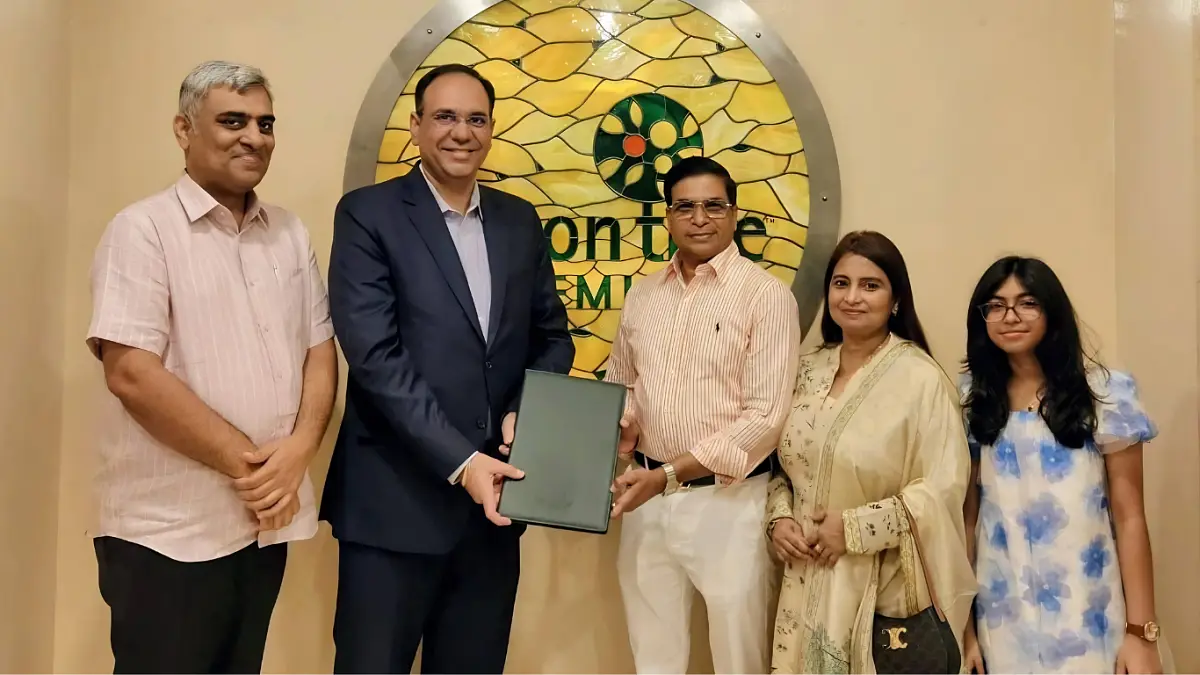
Bhubaneswar, May 16, 2026: Bhubaneswar’s hotel race is heating up, and Lemon Tree Hotels Limited is moving faster than most, locking in another deal just days after opening doors in the city.
Lemon Tree Hotels Limited has signed a new 50-room property in Satya Nagar, Bhubaneswar, further strengthening its presence in Odisha shortly after launching its second operational hotel in the city.
The upcoming Lemon Tree Hotel will be managed by Carnation Hotels Private Limited, a wholly owned subsidiary of Lemon Tree Hotels Limited. The signing reflects the company’s continued expansion strategy in Eastern India and its increasing focus on high-growth urban markets.
Strategic Expansion in Bhubaneswar
The latest signing comes immediately after Lemon Tree Hotels opened its second operational property in Bhubaneswar. That timing isn’t accidental. It signals speed. And intent. The company’s back-to-back moves show it is betting hard on the city’s demand story, and not waiting for competitors to catch up. Bhubaneswar has turned into one of Eastern India’s fastest-growing urban centres, driven by government movement, healthcare expansion, education hubs, and rising business activity.
And the demand isn’t one-dimensional. You’ve got corporate travel. Medical traffic. Cultural tourism. All feeding into the same pipeline. Improved connectivity has only made it easier. More flights, better roads, smoother access. That mix is exactly what branded hotel chains look for before doubling down.
Project Details and Facilities
The upcoming Lemon Tree Hotel in Satya Nagar will feature 50 rooms, built around a clean, functional stay format. No frills. But enough to compete. The property will include a restaurant, banquet facilities, a swimming pool, a spa, and a fitness centre. That’s a clear signal on positioning. It’s not just targeting business travellers. It wants events, small weddings, and weekend stays too. Banquet and meeting spaces will plug directly into Bhubaneswar’s growing corporate and social event demand. Location will do the rest.
Satya Nagar offers access to commercial zones, transit points, and key city pockets, exactly what drives steady occupancy across the year.
Management and Brand Strategy
The hotel will be operated by Carnation Hotels Private Limited, the group’s in-house management arm. This is Lemon Tree’s standard playbook. Asset-light, management-heavy. It allows the company to grow faster without locking capital into every property. The brand continues to scale through a mix of owned, leased, and managed hotels, keeping flexibility while expanding reach. The Satya Nagar signing adds another layer to its Bhubaneswar cluster, strengthening its hold in the city’s organized hotel segment.
Market Context and Demand Drivers
Bhubaneswar works because demand comes from multiple directions. Government travel keeps rooms moving. Healthcare brings in steady footfall. Educational institutions add long-stay demand. And industry fills in the gaps. Then there’s tourism. The city acts as a gateway to Odisha’s cultural and spiritual circuit, pulling in leisure and pilgrimage travellers year-round. This kind of spread reduces seasonality.
And that’s gold for hotel operators. At the same time, travellers in these cities are shifting toward branded stays. Clean rooms, predictable service, and trust over unorganised options. That shift is pushing chains like Lemon Tree deeper into these markets.
Company Outlook in Eastern India
With this deal, Lemon Tree Hotels is tightening its grip on Eastern India. The region is seeing steady growth, driven by infrastructure, urban expansion, and rising travel demand. Bhubaneswar, in particular, sits right in that sweet spot. Strong fundamentals. Growing traffic. Still underpenetrated. The Satya Nagar addition, along with its existing properties, gives Lemon Tree a stronger base to capture that demand.
And this isn’t an isolated move. It reflects a broader industry shift, hotel companies chasing emerging cities where demand is consistent, not seasonal, and growth is still up for grabs.