Meliá Hotels International Expands in Italy with New Hotel Launch in Val di Fassa
Meliá Hotels International expands its European footprint with a new hotel in Val di Fassa, strengthening its presence in Italy’s Dolomites tourism market.
 Pratyaksha Singh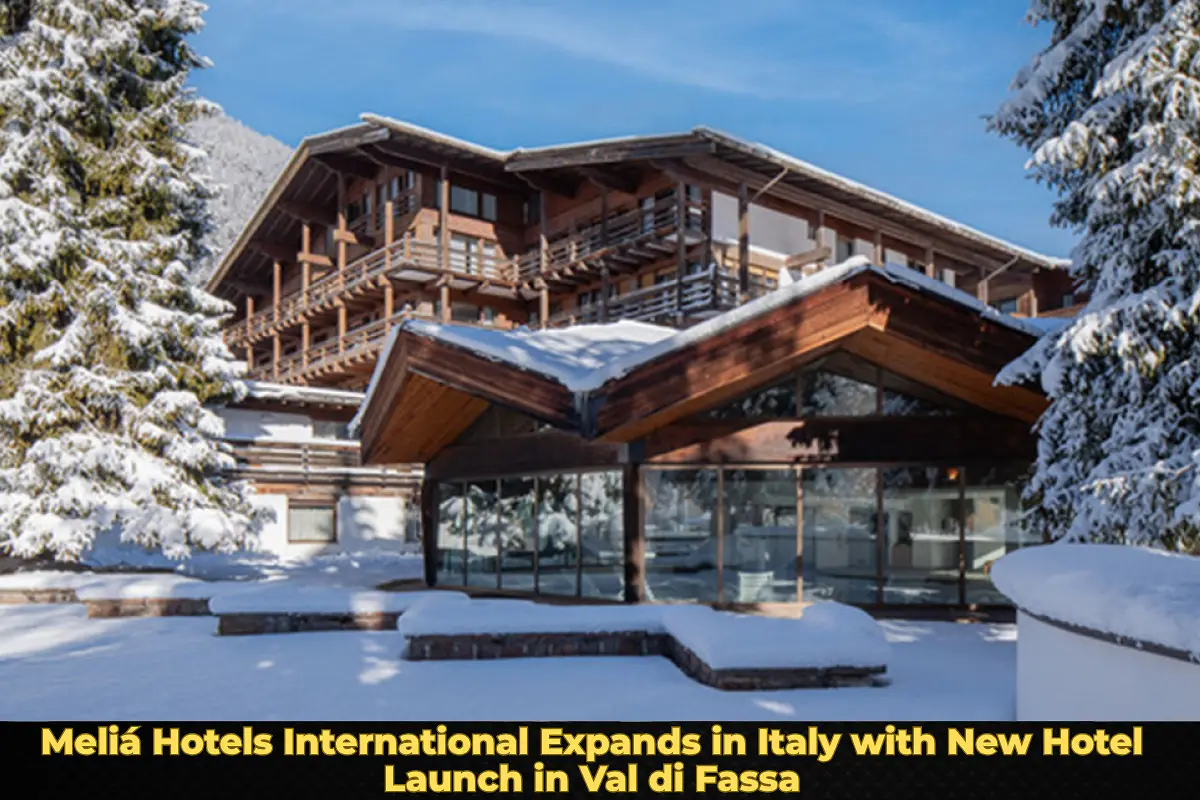
Meliá Hotels International Expands in Italy with New Hotel Launch in Val di Fassa
Meliá Hotels International has expanded its presence in Italy with the launch of a new hotel in Val di Fassa in the Dolomites in 2026, as the Spanish hospitality group continues to strengthen its footprint in key European leisure destinations. The development aims to capitalize on growing demand for premium mountain tourism, targeting both winter sports enthusiasts and year-round travelers seeking nature-based experiences.
The new property, located in one of Italy’s most popular alpine regions, marks a strategic move by the company to reinforce its position in high-demand resort destinations. The Dolomites, a UNESCO World Heritage site, attract a steady influx of international visitors, making the region a key focus for global hotel operators.
Strategic Expansion in Alpine Tourism
The launch in Val di Fassa reflects Meliá’s broader expansion strategy focused on strengthening its presence in Europe’s leading leisure markets. Alpine destinations, known for their seasonal diversity, offer strong revenue potential across both winter and summer periods.
Val di Fassa is a prominent ski and outdoor tourism hub, drawing visitors for skiing, hiking, and cultural experiences. The region’s well-developed infrastructure and international appeal make it an attractive location for branded hospitality investments.
By entering this market, Meliá aims to tap into consistent demand while diversifying its European portfolio.
Positioning in the Premium Leisure Segment
The new hotel is expected to align with Meliá’s premium positioning, offering high-quality accommodations, modern amenities, and services tailored to leisure travelers. The property is designed to cater to both individual tourists and group travelers, including families and event-based visitors.
Facilities are likely to include wellness centers, dining outlets, and recreational spaces, enhancing the overall guest experience. The integration of local architectural elements and cultural influences is expected to play a key role in differentiating the property.
This positioning reflects a broader trend toward experiential hospitality in resort destinations.
Growing Demand for Mountain Destinations
The expansion comes amid increasing demand for mountain tourism, driven by travelers seeking outdoor activities, wellness experiences, and sustainable travel options. Alpine regions have seen strong recovery and growth in visitor numbers, supported by both domestic and international travel.
The Dolomites, in particular, have gained prominence as a year-round destination, offering skiing in winter and hiking, cycling, and scenic tourism in warmer months. This seasonal versatility enhances occupancy potential and revenue stability for hotels.
Hospitality brands are increasingly targeting such destinations to capture evolving travel preferences.
Enhancing European Portfolio
The Val di Fassa project strengthens Meliá’s European portfolio, which remains a core focus for the company’s global growth strategy. Europe continues to be a key market for tourism, with strong infrastructure, diverse destinations, and high visitor volumes.
By expanding in Italy, Meliá is reinforcing its presence in one of Europe’s most established tourism markets. The addition of new properties allows the company to increase brand visibility and capture a larger share of the leisure segment.
The move aligns with ongoing efforts to scale operations in strategic locations.
Focus on Sustainability and Local Integration
Sustainability is expected to be a key component of the new hotel’s operations, particularly given the environmental sensitivity of the Dolomites region. Hotel developments in alpine areas are increasingly incorporating eco-friendly practices, including energy efficiency, waste management, and sustainable design.
The property is also likely to emphasize local integration, supporting regional culture, cuisine, and community engagement. Such initiatives not only enhance guest experience but also contribute to the long-term sustainability of the destination.
This approach reflects growing industry emphasis on responsible tourism.
Impact on Local Tourism Economy
The addition of a new branded hotel in Val di Fassa is expected to have a positive impact on the local tourism economy. Hospitality developments generate employment opportunities and support ancillary businesses, including transportation, retail, and tour services.
Branded properties also enhance the destination’s appeal to international travelers by offering standardized quality and service. This can lead to increased visitor numbers and higher overall tourism revenue.
The development contributes to the region’s continued growth as a global tourism destination.
Competitive Landscape
The Dolomites hospitality market is highly competitive, with a mix of independent hotels, boutique properties, and international brands. Meliá’s entry adds to this competitive environment, where differentiation is driven by service quality, location, and guest experience.
To succeed, the new property will need to leverage brand strength, operational efficiency, and unique offerings tailored to the destination. Competition is expected to intensify as more global operators target alpine markets.
Maintaining a strong value proposition will be essential in capturing market share.
Alignment with Global Growth Strategy
The Val di Fassa launch is part of Meliá’s broader global strategy to expand in high-potential leisure destinations. The company has been focusing on asset-light growth, partnerships, and strategic investments to scale efficiently.
Expanding in resort locations allows the brand to balance its portfolio between urban and leisure segments, reducing dependency on any single market. This diversification supports long-term resilience and growth.
The move underscores Meliá’s commitment to strengthening its global presence.
Future Outlook
Looking ahead, demand for premium leisure travel is expected to remain strong, particularly in destinations offering natural beauty and outdoor experiences. Hotels that combine comfort, sustainability, and unique experiences are likely to perform well in this environment.
Meliá’s continued expansion in Europe positions it to benefit from these trends, with further opportunities expected in similar high-demand locations. The integration of technology and personalized services will also play a role in shaping guest experiences.
The company’s focus on strategic growth is expected to drive its performance in the coming years.
Conclusion
Meliá Hotels International’s new hotel in Val di Fassa marks a strategic expansion into Italy’s Dolomites, reinforcing its presence in Europe’s leisure tourism market while capitalizing on rising demand for premium mountain destinations.