Middle East Hotels Face Heightened Security Concerns Amid Escalating Regional Tensions
Hotels across the Middle East face increased security concerns following escalating regional tensions and threats impacting major hospitality hubs.
 Pratyaksha Singh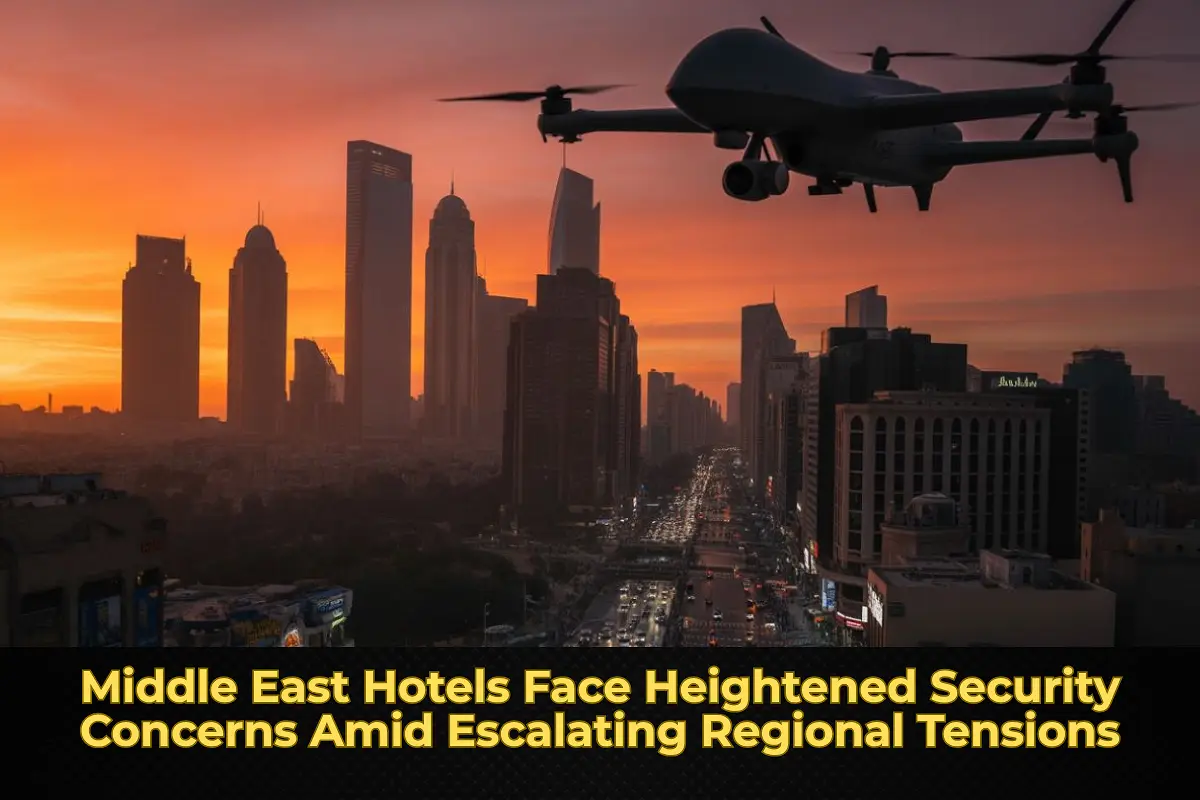
Middle East Hotels Face Heightened Security Concerns Amid Escalating Regional Tensions
Hotels across key Middle Eastern destinations are facing heightened security concerns in 2026 following escalating geopolitical tensions and reported threats targeting properties associated with foreign presence, raising alarm within the global hospitality industry and prompting increased vigilance among operators in the region.
The developments come amid rising instability linked to regional conflicts, with multiple reports indicating that hotels in countries such as the United Arab Emirates, Bahrain, and Kuwait could face potential risks due to their association with international guests and operations. The situation has prompted hotel groups and authorities to reassess safety protocols and operational strategies.
Security Risks Impact Key Hospitality Hubs
Major hospitality hubs across the Middle East, including high-profile destinations known for luxury tourism and business travel, are now under increased scrutiny as security concerns intensify. Hotels in these areas often host international travelers, diplomats, and business executives, making them sensitive locations during periods of geopolitical tension.
Operators are closely monitoring the evolving situation, working in coordination with local authorities to ensure guest safety and minimize disruptions. Enhanced security measures, including increased surveillance, restricted access points, and emergency preparedness protocols, are being implemented across properties.
The developments highlight the vulnerability of hospitality assets in geopolitically sensitive regions.
Global Hotel Chains Respond with Precautionary Measures
Leading international hotel brands with a presence in the Middle East are taking precautionary steps to safeguard their operations. These measures include reviewing crisis management plans, strengthening on-ground security teams, and maintaining continuous communication with government agencies.
Hotel companies are also prioritizing staff training to handle emergency situations effectively, ensuring that employees are equipped to respond to potential threats while maintaining service continuity. Guest communication strategies are being updated to provide timely information and reassurance.
The focus remains on balancing safety with uninterrupted guest experience.
Impact on Travel Sentiment and Bookings
The heightened security concerns are beginning to influence travel sentiment, particularly among international travelers considering trips to the region. Travel advisories and media coverage of the situation may contribute to cautious booking behavior, especially in the luxury and corporate travel segments.
However, industry experts note that the long-term impact will depend on how the situation evolves and how effectively authorities and hotel operators manage security risks. Historically, the Middle East hospitality sector has demonstrated resilience in the face of geopolitical challenges.
Short-term fluctuations in demand are expected, particularly in affected areas.
Role of Governments and Security Agencies
Governments across the region are working closely with security agencies and hospitality stakeholders to mitigate risks and ensure public safety. Increased security presence, intelligence monitoring, and coordination between agencies are key components of the response strategy.
Authorities are also engaging with hotel operators to provide guidance on best practices for risk management and crisis preparedness. These efforts are aimed at maintaining stability and protecting critical infrastructure, including hotels and tourism assets.
The collaboration between public and private sectors is essential in addressing emerging threats.
Operational Challenges for Hotels
The current situation presents several operational challenges for hotels, including the need to maintain high occupancy levels while implementing stringent security measures. Balancing guest comfort with safety protocols requires careful planning and resource allocation.
Hotels may also face increased operational costs due to additional security requirements and potential disruptions in supply chains or staffing. Managing these challenges effectively is crucial to sustaining business performance.
Operators are adapting their strategies to navigate the evolving environment.
Insurance and Risk Management Considerations
The rise in security concerns is prompting hospitality companies to reassess their insurance coverage and risk management frameworks. Ensuring adequate protection against potential incidents is becoming a priority for both operators and investors.
Risk assessment models are being updated to account for geopolitical factors, with a focus on identifying vulnerabilities and implementing preventive measures. This approach supports long-term resilience in uncertain conditions.
Proactive risk management is critical for safeguarding assets and operations.
Long-Term Implications for the Hospitality Sector
While the immediate focus remains on safety and operational continuity, the situation may have broader implications for the Middle East hospitality sector. Investor sentiment, development plans, and tourism strategies could be influenced by ongoing geopolitical dynamics.
At the same time, the region’s strong infrastructure, established tourism appeal, and strategic importance are expected to support recovery and continued growth in the long term. The ability to adapt to challenges will play a key role in maintaining competitiveness.
The sector’s resilience will be tested in the coming months.
Industry Response and Preparedness
Hospitality industry associations and stakeholders are emphasizing the importance of preparedness and collaboration in addressing security challenges. Sharing best practices, conducting regular drills, and maintaining clear communication channels are critical components of an effective response.
Hotels are also leveraging technology to enhance security, including advanced monitoring systems and data-driven risk assessment tools. These innovations help improve situational awareness and response capabilities.
Preparedness is central to managing uncertainty in the sector.
Future Outlook
The outlook for the Middle East hospitality industry will depend on the trajectory of regional tensions and the effectiveness of mitigation measures. While short-term disruptions are possible, the sector’s underlying fundamentals remain strong.
Continued investment in security, infrastructure, and guest experience will be essential in maintaining confidence among travelers and stakeholders. The industry’s ability to respond swiftly and adapt to changing conditions will shape its future performance.
Stakeholders remain cautiously optimistic as they navigate the evolving landscape.
Conclusion
As geopolitical tensions intensify, hotels across the Middle East are strengthening security and operational strategies to safeguard guests and staff, while the industry closely monitors developments that could impact travel demand and regional stability.