PM Modi Gifts Melody To Meloni, Sending Toffee Viral
PM Modi gifts Melody to Meloni, and the internet erupted. Parle's Rs 1 candy went viral, sold out on quick-commerce and sparked a global nostalgia moment.
 nishathapa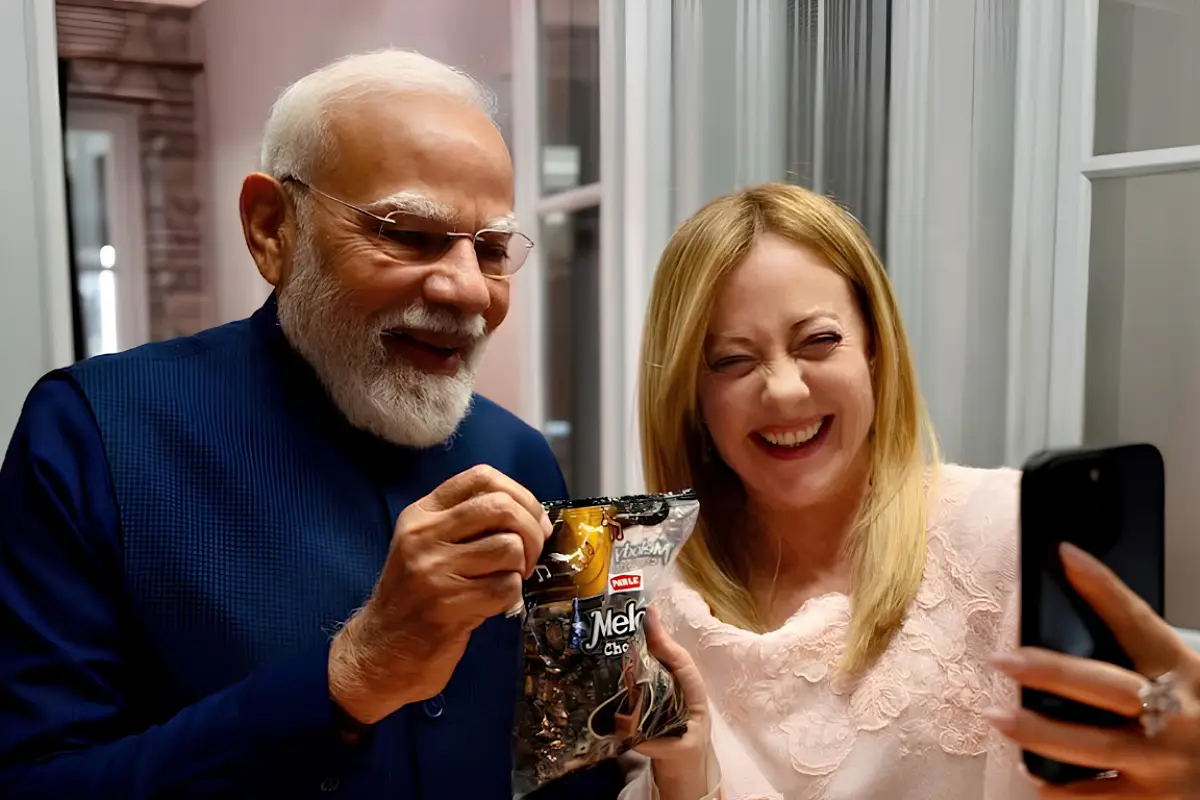
NEW DELHI, May 23, 2026: When Prime Minister Narendra Modi presented Italian Prime Minister Giorgia Meloni with a packet of Melody toffees during his visit to Italy, he did not hand over a curated luxury gift or a heritage craft object. He handed over a Rs 1 chocolate-caramel candy that millions of Indians bought after school from kirana stores, and the internet treated it as a national event.
The moment went viral within hours. Social media had already been pairing "Modi" and "Meloni" into the nickname "Melodi" for months before the Italy visit, and the gift landed directly into that pre-existing cultural current. Memes, reels, nostalgic posts and debate about the choice of gift flooded every platform, turning a diplomatic exchange into one of India's most-discussed consumer brand moments of the year.
Why Melody and why it worked
Melody is made by Parle Products, the Mumbai-based confectionery company founded in 1929 whose distribution reach across India, from metropolitan supermarkets to village general stores and railway station vendors, has made its products among the most consumed packaged foods in the country. Melody's chocolate-caramel format and its Rs 1 price point placed it in the category of everyday childhood indulgence across multiple Indian generations.
The gift worked not because Melody is expensive or rare, but because it is the opposite. The Prime Minister choosing a Rs 1 candy rather than a premium or heritage product created an immediate emotional response in a public that grew up with that candy. It felt personal, familiar and, in an environment saturated with curated diplomatic gift exchanges, entirely unexpected.
Modi gifts Melody to Meloni, The "Melodi" moment: how social media turned a gift into a cultural event
The viral arc of the Melody moment followed a pattern that consumer marketers study closely: an organic, unplanned trigger, in this case a diplomatic gift, lands in a space already prepared to receive it. Social media users had created the "Melodi" portmanteau before the Italy visit. When the actual candy moment arrived, the reaction was instant and self-amplifying. According to Reuters, the interaction became a trending online moment with memes and videos flooding platforms almost immediately after images and footage appeared.
What followed demonstrated how completely a single moment can re-enter a dormant brand into public consciousness. Melody did not run a campaign. Parle Products did not issue a press release. The public did the amplification entirely independently.
Brands joined; a stock confusion followed
Once the wave was visible, other brands moved quickly to attach themselves to the conversation. Air India was among those that tapped into the Melodi buzz online as the cultural moment grew, according to The Economic Times. The speed with which brand teams joined the thread reflected how well-established the practice of real-time social media trend participation has become in Indian marketing.
The virality created an unintended consequence in financial markets: shares of Parle Industries, a separate, unrelated listed company, reportedly jumped as retail investors online confused it with Parle Products, the privately held maker of Melody. The confusion highlighted both the scale of the trend and the gaps in market literacy that social media virality can expose.
Melody sells out; Parle confirms global footprint
Demand for Melody rose sharply after the viral moment, with the candy going out of stock on multiple quick-commerce platforms. Parle Products acknowledged the attention the brand was receiving. According to The Economic Times, the company described the development as a positive opportunity to take Indian products to an international platform and confirmed that Melody is already exported to approximately 100 countries.
That last detail reframed the narrative for many: what felt like a nostalgic local moment was already a global product, reaching Indian diaspora communities and international markets well before the Italy visit made it briefly famous everywhere else.
What the Melody moment says about nostalgia as a brand asset
The episode has drawn comment from marketers and brand strategists for what it reveals about the commercial power of nostalgia in India's current consumer climate. Products associated with childhood memories carry emotional equity that no amount of advertising spending can replicate, because the feeling is already present in the consumer before any brand communication reaches them.
That dynamic is increasingly visible in hospitality, food and beverage, and consumer goods as brands and hotel properties bring back regional sweets, local snacks and familiar Indian flavours to menus and retail spaces. Melody's moment was unplanned and unmanaged, which is precisely why it worked as well as it did. The nostalgia was real, and the public supplied its own amplification.