Morocco Strengthens Economy Through Tourism Growth and Expanding Infrastructure
Morocco is boosting its economy through tourism growth by expanding infrastructure, promoting eco‑tourism and heritage destinations, and strengthening hospitality investments across cities such as Casablanca and Marrakesh.
 Pratyaksha Singh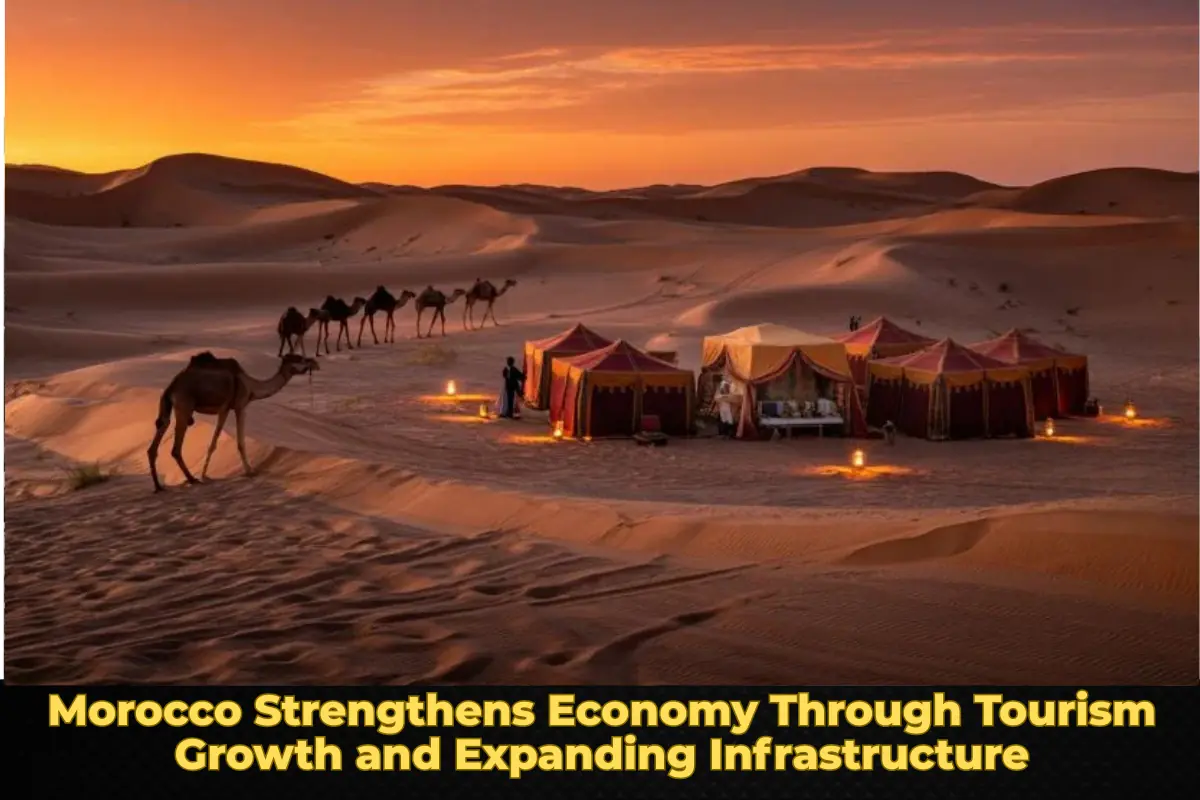
Morocco Strengthens Economy Through Tourism Growth and Expanding Infrastructure
Morocco is accelerating efforts to strengthen its economy through tourism growth by investing in infrastructure development, expanding hospitality capacity and promoting eco‑tourism and heritage destinations across the country. Cities such as Casablanca and Marrakesh are playing a central role in this strategy as the North African nation works to attract more international visitors and reinforce tourism as a major driver of economic development.
The government has prioritized tourism as a strategic sector capable of generating employment, foreign exchange revenue and regional development. Through new infrastructure projects, improved connectivity and expanded hospitality offerings, Morocco is positioning itself as one of Africa’s leading travel destinations.
Tourism as a Pillar of Economic Growth
Tourism has long been a vital component of Morocco’s economy, contributing significantly to national income and job creation. The country’s diverse landscapes, historic cities and rich cultural traditions have helped it maintain a strong presence in the global tourism market.
Morocco’s tourism authorities have implemented policies aimed at strengthening the sector by enhancing visitor experiences and increasing the country’s international visibility. These efforts include promoting cultural heritage sites, improving transport infrastructure and supporting new hospitality investments.
Industry analysts say that tourism development has a broad economic impact because it stimulates growth in sectors such as transportation, construction, food production and retail. The expansion of tourism infrastructure also creates employment opportunities in hotels, tour operations and hospitality services.
As global travel demand continues to recover, Morocco is seeking to capitalize on its geographic position between Europe, Africa and the Middle East to attract a growing number of international travelers.
Infrastructure Development Supporting Tourism Expansion
Infrastructure investment has been a key focus of Morocco’s tourism strategy. The government has launched initiatives to modernize airports, expand road networks and improve public transportation in major cities and tourist regions.
These developments are designed to enhance accessibility for international visitors while also supporting domestic travel within the country. Improved infrastructure makes it easier for tourists to explore multiple destinations during a single trip, thereby increasing tourism spending and regional economic benefits.
Casablanca, Morocco’s largest city and economic hub, has seen significant improvements in transportation infrastructure. The city’s international airport and modern transit systems help connect visitors to other parts of the country.
Similarly, Marrakesh has benefited from infrastructure upgrades that support its status as one of Morocco’s most popular tourist destinations. Enhanced connectivity allows travelers to access the city’s historic attractions and surrounding landscapes more easily.
Hospitality Sector Expansion
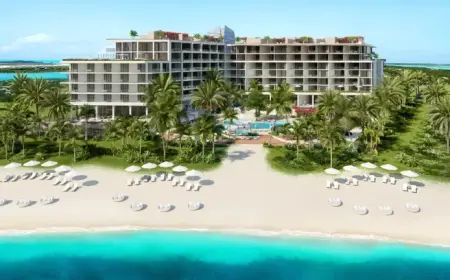
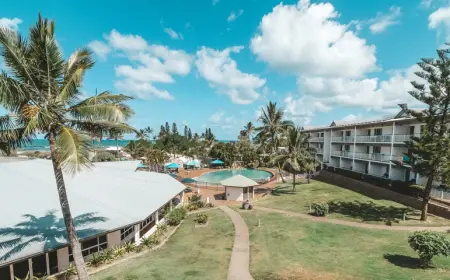
Morocco’s growing tourism sector has encouraged significant investment in hospitality infrastructure, including hotels, resorts and boutique accommodations. International hotel brands and local developers are expanding their presence to meet increasing demand for quality accommodation.
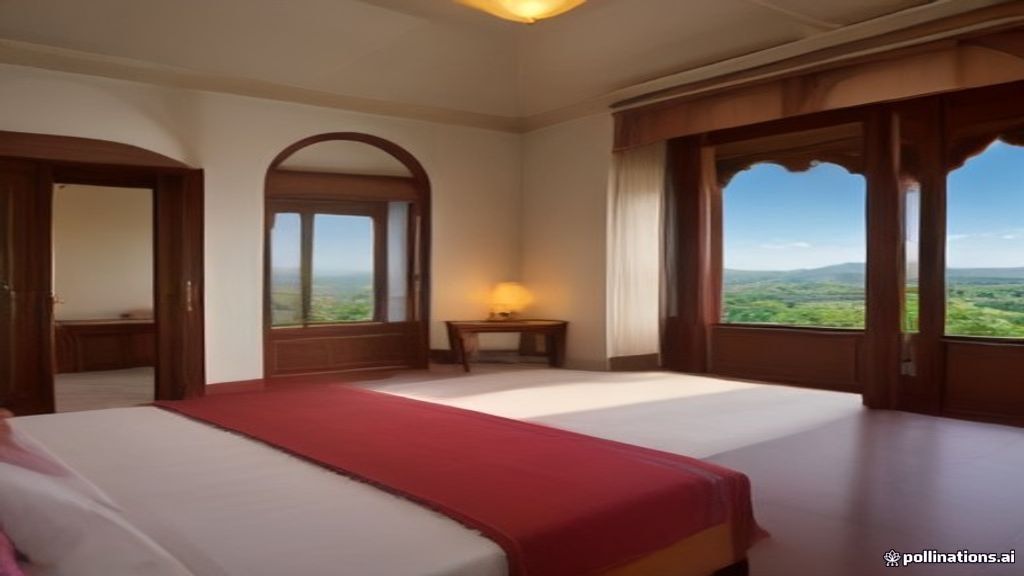
Luxury hotels, mid‑scale properties and boutique guesthouses have all become part of the country’s evolving hospitality landscape. Developers are focusing on creating properties that combine modern comfort with traditional Moroccan design elements.
Many hotels incorporate architectural features such as riads, courtyards and decorative tilework that reflect Morocco’s cultural heritage. These elements help provide visitors with an authentic travel experience while supporting the preservation of traditional design.
Hospitality investment has also expanded beyond major cities into smaller destinations known for natural beauty and cultural significance. This trend supports the government’s goal of distributing tourism benefits more evenly across the country.
Promotion of Cultural Heritage Destinations
Morocco’s historic cities and cultural landmarks remain central to its tourism appeal. Destinations such as Marrakesh, Fez and Rabat attract travelers interested in exploring centuries‑old architecture, traditional markets and UNESCO‑recognized heritage sites.
The country’s historic medinas, mosques and palaces offer visitors an opportunity to experience Morocco’s cultural history while also supporting local artisans and businesses. Tourism authorities have worked to preserve these sites while making them accessible to international visitors.
Marrakesh in particular has established itself as one of North Africa’s most iconic tourism destinations. The city’s vibrant markets, historic palaces and renowned hospitality industry attract millions of visitors each year.
Casablanca, meanwhile, serves as a modern gateway to Morocco, combining business travel with cultural tourism experiences.
Eco‑Tourism and Sustainable Travel
Eco‑tourism has emerged as an important component of Morocco’s tourism development strategy. The country’s varied geography includes mountains, deserts, coastlines and national parks that appeal to travelers seeking nature‑based experiences.
Tourism authorities are encouraging sustainable travel practices that protect natural ecosystems while providing economic opportunities for local communities. Eco‑lodges, guided nature tours and conservation initiatives have become part of the country’s tourism offerings.
The Atlas Mountains, Sahara Desert and Atlantic coastline have all become popular destinations for eco‑tourism activities such as trekking, desert excursions and wildlife observation.
By promoting sustainable tourism, Morocco aims to preserve its natural landscapes while ensuring that tourism development remains environmentally responsible.
Regional Tourism Development
Morocco’s tourism strategy includes efforts to expand travel opportunities beyond traditional destinations. While cities such as Casablanca and Marrakesh continue to attract the largest number of visitors, the government is also promoting lesser‑known regions.
These areas offer unique cultural and natural attractions that can diversify Morocco’s tourism portfolio. Coastal towns, mountain villages and desert communities provide opportunities for authentic cultural experiences.
Regional tourism development helps distribute economic benefits across the country while reducing pressure on heavily visited destinations. It also encourages longer visitor stays as travelers explore multiple regions.
Improved infrastructure and targeted marketing campaigns have helped bring greater attention to these emerging tourism areas.
International Tourism Demand
Morocco continues to attract visitors from Europe, the Middle East and other global markets due to its rich cultural heritage and accessible location. The country’s proximity to major European cities makes it a convenient travel destination for short‑haul tourism.
Air connectivity has expanded in recent years with new international flight routes linking Morocco to key markets around the world. These connections make it easier for travelers to visit the country and explore its diverse attractions.
International tourism also benefits Morocco’s hospitality sector by supporting hotel occupancy, restaurant activity and tourism services. As visitor numbers grow, demand for accommodation and travel experiences continues to increase.
Tourism authorities are also targeting emerging travel markets to further expand Morocco’s global visitor base.
Economic Benefits of Tourism Growth
The expansion of tourism infrastructure and hospitality investment has generated significant economic benefits for Morocco. The sector provides employment opportunities across a wide range of industries, including hotels, transportation, tour operations and food services.
Tourism revenue contributes to national income while supporting local businesses and community development initiatives. Increased visitor spending also helps stimulate economic activity in retail, entertainment and cultural industries.
Government officials have emphasized the importance of tourism in supporting inclusive economic growth and improving living standards in many regions.
As the sector continues to expand, tourism is expected to remain a major contributor to Morocco’s economic stability and development.
Future Outlook for Morocco’s Tourism Industry
Morocco’s long‑term tourism strategy focuses on strengthening infrastructure, expanding hospitality capacity and promoting sustainable travel experiences. Continued investment in these areas is expected to enhance the country’s competitiveness in the global tourism market.
Industry observers believe Morocco has strong potential to attract increasing numbers of international visitors due to its cultural diversity, historic heritage and scenic landscapes.
As tourism demand continues to rise worldwide, Morocco is positioning itself as a leading destination in Africa by combining modern infrastructure with authentic cultural experiences.
The country’s commitment to tourism development reflects its broader economic strategy of leveraging travel and hospitality industries to support sustainable growth.
With ongoing investments and continued promotion of its heritage and natural attractions, Morocco is expected to remain a prominent tourism destination and an important contributor to the global travel economy.