Noctourism trend 2026 drives new hospitality travel experiences
Noctourism trend 2026 is reshaping global hospitality as travellers seek immersive night-based experiences, driving new offerings across destinations.
 nishathapa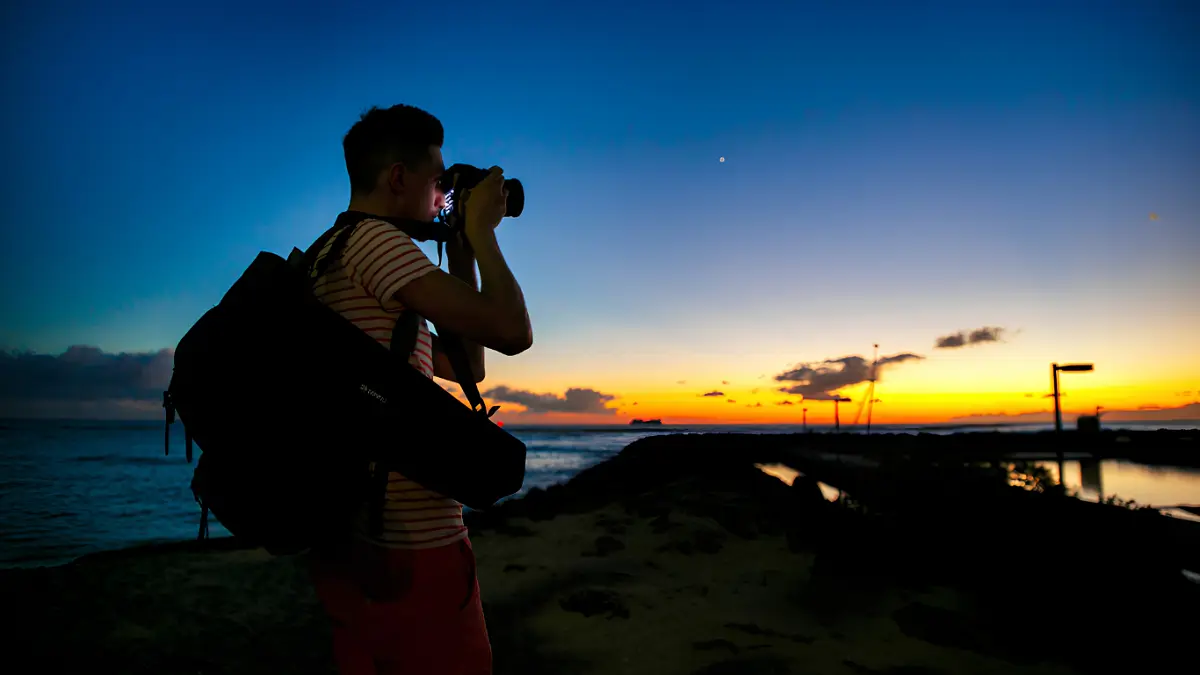
New Delhi, May 2026: Night-based travel is no longer a niche. Noctourism and astro tourism are gaining ground fast, as travellers ditch packed daytime itineraries for slower, after-dark experiences. The shift is forcing destinations and hotel brands to rethink how they engage guests.
What’s changing is intent.
Travellers in 2026 aren’t just ticking off sights. They want stillness, atmosphere, and something that feels personal. And that’s pushing hotels to build experiences around the night, mixing nature, culture, and wellness into curated after-sunset programs.
Rising Demand for Night-Based Travel Experiences
Noctourism, travel built around night-time activity, is expanding across cities and remote regions alike.
Think night safaris, astronomy retreats, midnight food trails, and open-sky performances.
The appeal is simple: cooler air, fewer crowds, and space to slow down. Operators say guests engage more when things quieten down.
And that’s changing how hotels package experiences.
Illuminated heritage walks. Desert stays under moonlight. Storytelling sessions after dark.
These aren’t add-ons anymore. They’re becoming the main draw.
Astro Tourism Gains Momentum Across Key Destinations
Astro tourism is carving out its own lane.
Travellers are now picking destinations based on sky clarity and low light pollution. Places like Ladakh, Spiti Valley, parts of Rajasthan, and India’s Northeast are seeing rising interest.
Globally, destinations such as Iceland and New Zealand already own this space.
India has the raw material. The question is execution.
Hotels are starting to respond, adding telescope lounges, observatory-style domes, and guided sky tours. It’s pulling in a wider crowd: families, solo travellers, younger guests.
And importantly, guests are willing to pay for it.
Hospitality Redesigns Guest Experience Around the Night
This isn’t just about adding a telescope.
Hotels are reworking their entire evening setup, structured night programming, guided trails, curated storytelling sessions.
Wellness brands are leaning in too.
Moonlight meditation. Sleep-focused programs. Quiet hours that actually mean something.
These aren’t gimmicks, they tap into what guests want right now: less noise, more reset.
And from a business angle, it stretches guest activity beyond the usual hours.
More engagement. More spend. Same footprint.
Younger Travellers Drive Experiential Demand
Millennials and Gen Z are pushing this shift hard.
They’re not chasing packed itineraries. They want meaning, reflection, and experiences that feel real.
Night travel fits that mindset.
Dark skies. Silence. Fewer screens.
It’s a reset from routine.
Social media has amplified the trend, night skies and glowing landscapes travel well online. But this isn’t just about visuals. It’s about how the experience feels.
Skilling and Infrastructure Key to Sustaining Growth
There’s friction behind the scenes.
Noctourism needs new skills, astronomy guides, safety protocols, storytelling that holds attention in the dark.
Hotel staff can’t just serve anymore. They have to interpret, guide, and engage.
That shift is forcing operators to invest in training.
At the same time, better roads and connectivity are opening up smaller destinations.
Places that were once off-grid are now viable for premium experiences.
India has the range, deserts, mountains, forests, coastlines. All of it works at night.
Early movers will lock in positioning.
Because the next phase of travel isn’t about speed or volume.
It’s about depth. And the night is where that’s happening.