Olive Hospitality to Develop 2,000 Hotel Keys Across Andhra Pradesh
Olive Hospitality plans 2,000 hotel rooms across Andhra Pradesh with $55 million investment, targeting key cities including Visakhapatnam, Tirupati, Vijayawada, and Guntur.
 nishathapa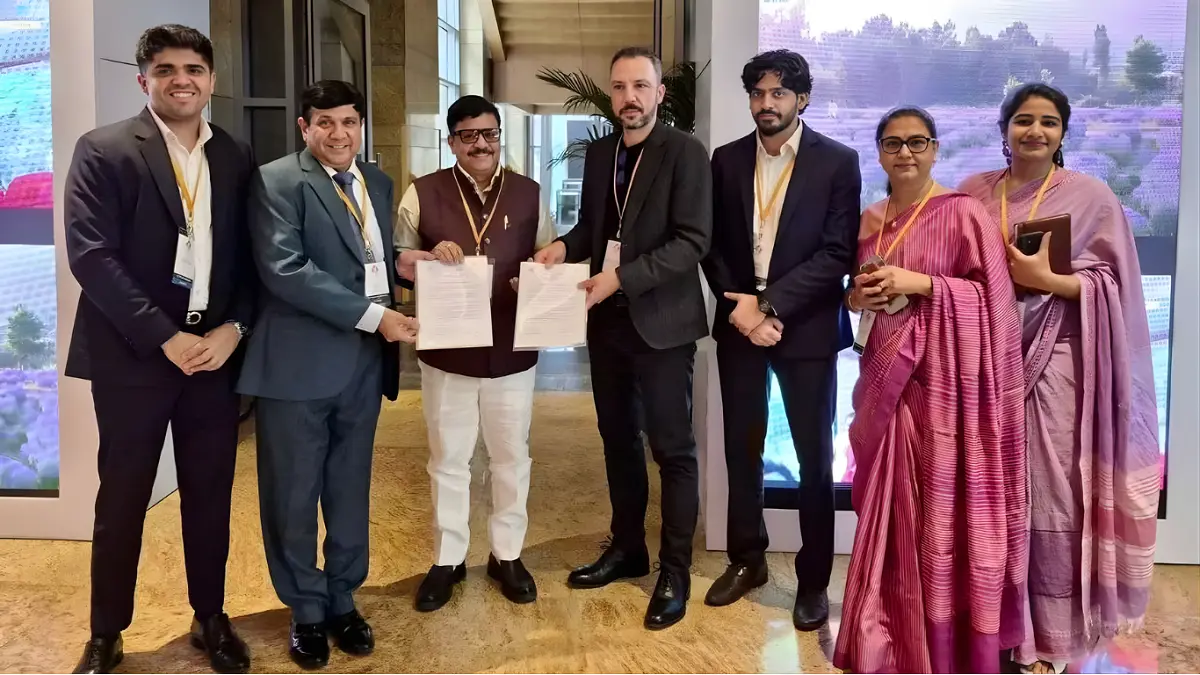
Andhra Pradesh, April 14, 2026: Olive Hospitality has announced plans to develop approximately 2,000 branded hotel rooms across key cities in Andhra Pradesh, supported by a memorandum of understanding with the state tourism authority aimed at accelerating hospitality infrastructure and private investment in the region.
The development will span major urban and pilgrimage destinations including Visakhapatnam, Tirupati, Vijayawada, and Guntur, reflecting a targeted expansion into high-demand travel circuits within the state. The initiative is expected to strengthen the availability of branded accommodation while supporting broader tourism growth.
MoU to Strengthen Hospitality Infrastructure
The company has formalised its expansion through an agreement with the Andhra Pradesh Tourism Authority, which is designed to facilitate the development of new hotel projects across designated tourism zones. Under the partnership, the authority will assist with approvals, regulatory clearances, and access to land parcels.
In addition, the state will extend incentives under the Andhra Pradesh Tourism Policy 2024–2029, alongside support for investor outreach. The collaboration is intended to attract further private participation and streamline project execution across multiple locations.
$55 Million Investment and Employment Impact
The proposed development is expected to attract approximately $55 million in investment from third-party owners and institutional investors. Alongside infrastructure growth, the expansion is projected to generate nearly 700 jobs, contributing to local employment and regional economic activity.
The investment reflects a broader trend of increased capital deployment in India’s hospitality sector, particularly in emerging and underpenetrated markets where branded supply remains limited.
Expansion Across Key Cities and Travel Segments
The planned portfolio will be distributed across Andhra Pradesh’s major tourism and business hubs. Cities such as Visakhapatnam and Vijayawada represent commercial and urban demand centres, while Tirupati continues to serve as a key religious destination with consistent year-round footfall.
The inclusion of Guntur further expands the company’s footprint into secondary markets, aligning with industry-wide strategies to capture demand beyond metro cities and established hospitality hubs.
Operational Scale and Growth Pipeline
Olive Hospitality currently operates over 100 hotels across India and has achieved operational break-even. The company reports an annual run rate of $12.1 million from its existing portfolio and maintains a secured development pipeline valued at over $50 million.
To support its expansion in the budget and mid-market segments, the company is also exploring the induction of a minority investment partner. This approach aligns with its broader strategy of scaling through partnerships and capital-efficient models.
Long-Term Strategy and Portfolio Vision
Backed by the Embassy Group, Olive Hospitality is part of a larger plan to build a portfolio of 1,000 hotels across India by 2030, alongside international expansion initiatives.
The company has also introduced an AI-driven, remote-operated hotel brand, Open Hotels, as part of its diversification strategy. This innovation-led approach is aimed at improving operational efficiency and scaling standardized hospitality offerings.
According to the company’s leadership, Andhra Pradesh is emerging as a key growth market driven by increasing travel demand across leisure, religious, and business segments. The planned development is positioned to create a network of branded hotels that supports consistent guest experiences while enabling scalable growth for investors.
The Andhra Pradesh expansion marks a significant step in Olive Hospitality’s growth trajectory, aligning with state-level efforts to enhance tourism infrastructure and attract institutional investment into the hospitality sector.