Ramada by Wyndham Panipat Signed With INR 75 Crore Investment
Ramada by Wyndham Panipat is set to open following a ₹75 crore investment by TDI Infratech, expanding Wyndham’s presence in Haryana.
 nishathapa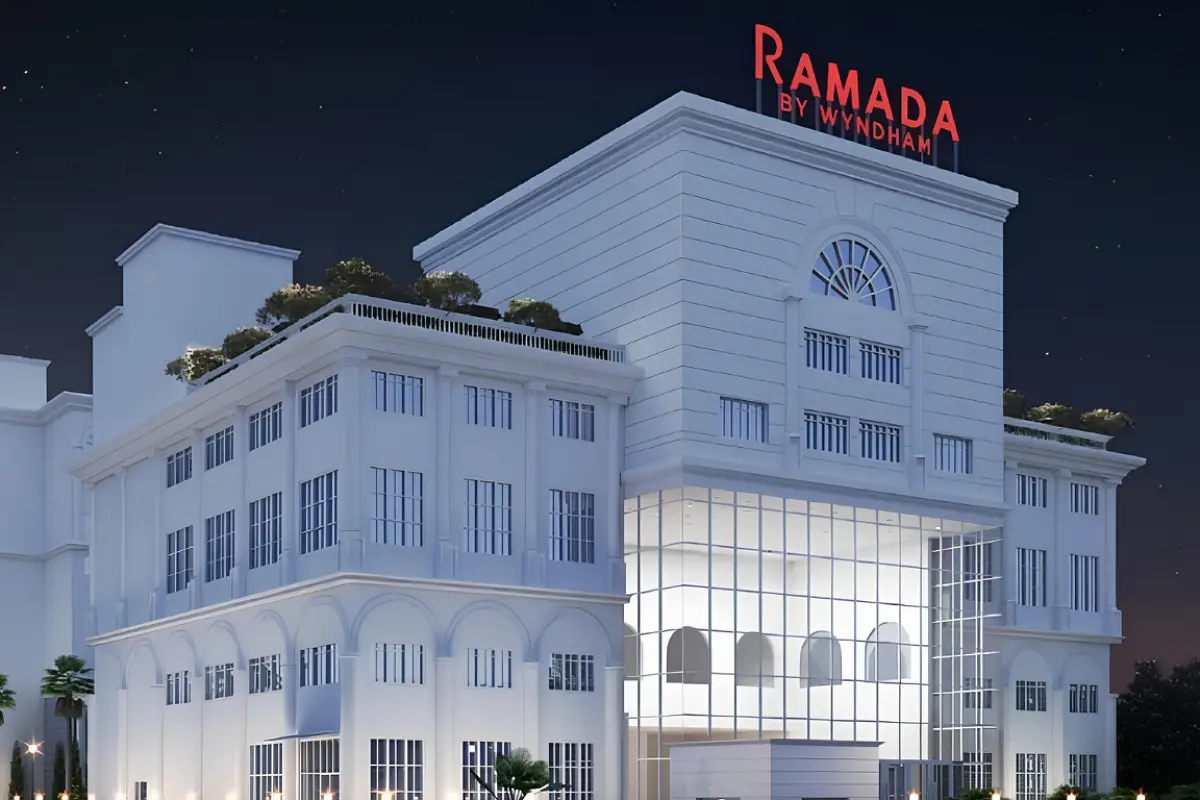
PANIPAT, June 15, 2026: TDI Infratech has signed with Wyndham Hotels & Resorts to develop a 53-key Ramada by Wyndham hotel at TDI Connaught Estate, the developer's flagship mixed-use project in Panipat, Haryana. The hotel is backed by an investment of approximately INR 75 crore and is expected to open in the second quarter of 2028. It will serve business travellers, transit guests, and small-scale meetings and events, the precise demand profile that defines a well-positioned commercial hotel in an NCR satellite city.
Panipat does not always get the attention that its economic activity warrants. It sits on National Highway 44, one of India's most commercially active road corridors, roughly 90 kilometres north of Delhi. It is a manufacturing city, known particularly for its textiles, recycling industry, and thermal power infrastructure, and it draws a steady, year-round flow of business travellers who need reliable accommodation rather than resort amenities. Branded hotel supply in that category has been limited relative to demand. The Ramada by Wyndham signing addresses that gap with a recognisable name, a proven format, and an INR 75 crore commitment to quality.
The TDI Connaught Estate context: hotel inside a mixed-use destination
The hotel's location within TDI Connaught Estate matters for its commercial logic. Mixed-use developments, where a hotel sits alongside commercial offices, retail, and residential, generate a natural captive demand base that standalone city hotels do not always enjoy. Corporate tenants in the commercial blocks become a built-in source of accommodation demand for visiting clients and partners. Retail footfall creates F&B opportunity. The development's own ecosystem partially insulates the hotel from the volatility that affects properties dependent entirely on external booking channels.
TDI Infratech describes TDI Connaught Estate as its flagship development in Panipat, a project positioned to become an integrated urban destination rather than a standalone real estate product. The hotel's addition completes a critical piece of that vision: a commercial development without quality accommodation is incomplete for any tenant or visitor whose schedule extends beyond a day trip.
What TDI Infratech's Managing Director said about the investment
Akshay Taneja, Managing Director, TDI Infratech, placed the hotel signing inside the developer's long-term thesis for Panipat.
"This planned investment reflects our long-term confidence in Panipat's evolving economic landscape. At TDI, we are focused on creating developments that go beyond standalone real estate to become integrated urban destinations. The addition of Ramada by Wyndham strengthens the ecosystem at TDI Connaught Estate and aligns with our vision of delivering high-quality, future-ready infrastructure."
— Akshay Taneja, Managing Director, TDI Infratech
The phrase "integrated urban destinations" is doing specific work in that statement. It frames the TDI Connaught Estate project not as a collection of assets but as an ecosystem, and a hotel is what completes an ecosystem of this kind. Without it, the development is a place to work and shop. With it, it becomes a place where business can actually happen end-to-end, from the meeting room to the dinner table to the guest room.
Wyndham's North India Tier 2 strategy in Rahool Macarius's words
Rahool Macarius, Market Managing Director – Eurasia, Wyndham Hotels & Resorts, placed the Panipat signing inside a deliberate regional growth strategy that extends well beyond any single city.
"Panipat and the wider Tier 2 and Tier 3 markets across North India continue to present strong growth opportunities for Wyndham, driven by improving infrastructure, rising commercial activity and increasing demand for quality, branded hospitality. Ramada by Wyndham to Panipat is strategically located to cater to the evolving needs of business and leisure travellers in the region. This development reflects our continued focus on expanding across high-potential, emerging cities and strengthening Wyndham's presence in fast-growing regional markets across India."
— Rahool Macarius, Market Managing Director – Eurasia, Wyndham Hotels & Resorts
The "Tier 2 and Tier 3 markets" framing is consistent with how Wyndham has been approaching India across its recent signing activity, Chittorgarh, Khajuraho, Kota, and now Panipat. The pattern is one of a brand systematically filling in the map between India's major metros, targeting cities where branded supply is thin, demand is real, and the first recognisable name to arrive captures a disproportionate share of booking preference from both corporate travel managers and individual guests.
Why Panipat fits the Ramada format precisely
The Ramada by Wyndham brand occupies a specific and well-defined position in the hospitality market, upper midscale, business-oriented, consistently reliable, and commercially priced for the segment of travellers who need a quality stay but are not claiming a luxury expense account. In a city like Panipat, where the demand comes primarily from commercial and industrial business travel rather than leisure tourism, that format fits with precision.
A 53-key count is deliberately calibrated for the market. Large enough to achieve operational efficiency and attract corporate rate agreements, compact enough to avoid the occupancy pressure that comes with oversupplying a market that has not yet reached the depth to absorb a larger inventory. At INR 75 crore, roughly INR 1.4 crore per key, the investment reflects a realistic budget for a quality midscale build at current construction costs in Haryana.
Regional impact and what comes next
The development is expected to contribute to local employment generation and support Panipat's economic activity in the years preceding its Q2 2028 opening. For the city's commercial landscape, the arrival of a Wyndham-branded property at this scale signals to other investors and developers that Panipat has matured as a commercial market, that the infrastructure and demand are in place to support international brand standards.
That signalling effect is often as important as the hotel itself. When the first credible branded hotel signs in a secondary market, it tends to attract others. Panipat, sitting on the NH44 corridor between Delhi and Ambala, with its industrial and commercial activity base, is a market where that effect could play out meaningfully over the next three to five years.