Ras Al Khaimah Tourism Growth Unveils Record Surge
Ras Al Khaimah Tourism Growth hit record levels as domestic staycations surged 47%, delivering the emirate's strongest ever first half despite disruption.
 RUKAIYA KADIWAL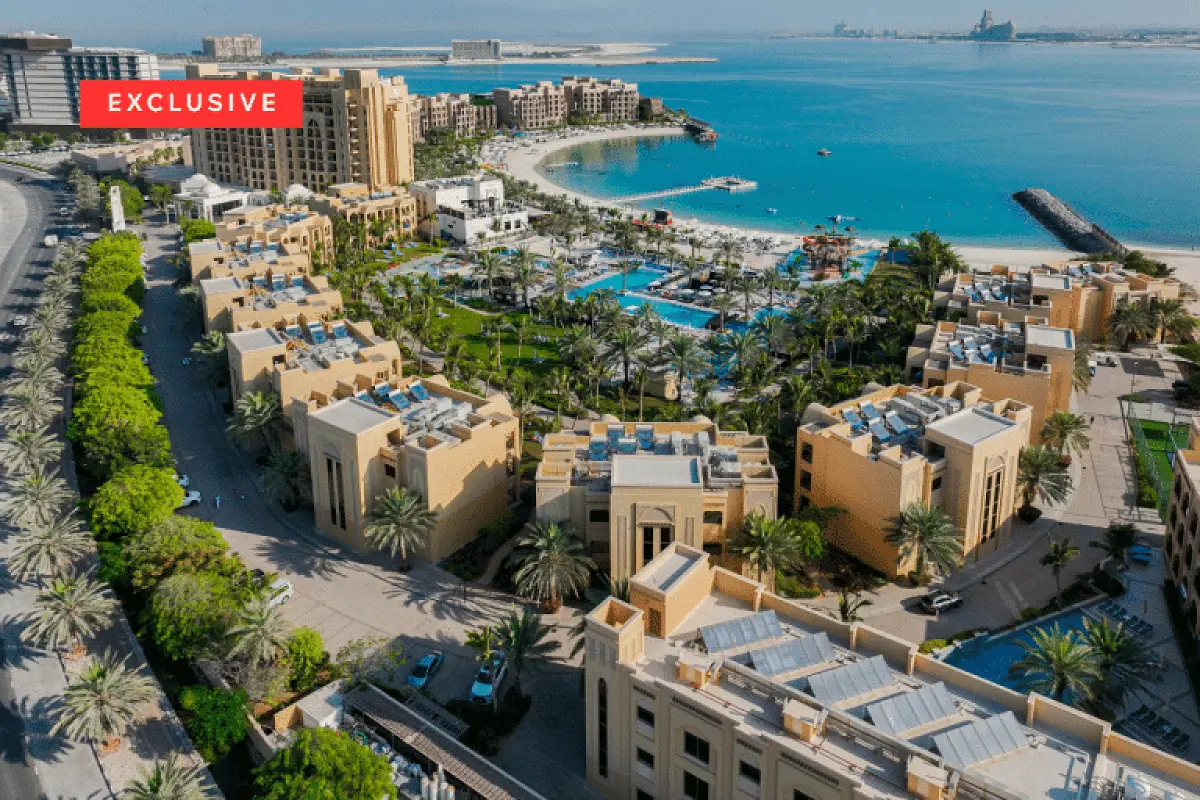
Sunlight bounces off a crescent of turquoise water curling around Al Marjan Island, rows of cream coloured resort buildings tracing the shoreline while palm lined boulevards stretch inland toward the desert beyond. Pools glitter between low rise villas, and a small water park sits quietly waiting for the afternoon crowd. This stretch of coastline captures the physical evidence of something now confirmed in the numbers, Ras Al Khaimah Tourism Growth has reached levels the emirate has never seen before.
Ras Al Khaimah's domestic tourism market grew 47 per cent during the first half of 2026, helping the emirate deliver its strongest ever first half despite disruption to international travel, according to Ras Al Khaimah Tourism Development Authority CEO Phillipa Harrison.
Domestic Demand Fills the Gap
Harrison spoke directly to the resilience that domestic tourism provided during a period of genuine international disruption. She said the emirate had its best ever first half this year, which was amazing given the travel disruption from international markets, adding that they managed to make that up with the domestic market growing at 47 per cent.
That kind of compensating growth, where local and regional travellers effectively offset a temporary dip in international arrivals, speaks to how deliberately Ras Al Khaimah has cultivated its domestic appeal alongside its longer term international ambitions, rather than depending entirely on overseas visitors to sustain hotel occupancy.
International Markets Begin Their Return
Harrison also confirmed that international demand was beginning to return, with Russia, India and the UK among the markets showing a strong recovery. She said the emirate is really delighted to have its international markets starting to come back, noting some really good returns specifically from Russia, from India, and from the UK.
Other source markets are recovering more slowly, she said, with some still affected by travel advisories, an honest acknowledgment that the recovery remains uneven across different regions rather than uniformly positive everywhere.
Maintaining Rates Through Value, Not Discounting
Despite the disruption, Ras Al Khaimah has largely maintained hotel pricing. Harrison said average daily rates were on par with last year after the destination used tactical offers focused on adding value rather than cutting headline rates, a pricing strategy that protects the emirate's overall revenue health even during a period of shifting international demand.
She said the destination's average daily rates are sitting at a very healthy number, and they expect them to increase from here, a confident outlook that suggests hotels have successfully avoided the kind of steep discounting that can damage a destination's long term pricing power once demand fully returns.
An Airport Handling Record Traffic
The emirate is meanwhile pressing ahead with plans to triple visitor arrivals by 2030, supported by additional hotel capacity, attractions and air connectivity. Harrison said Ras Al Khaimah International Airport handled more than one million visitors last year, while the destination also benefits from proximity to Dubai International Airport, giving travellers a convenient secondary gateway into the emirate.
That dual airport access, combining a dedicated local airport with easy overflow capacity from one of the world's busiest international hubs, gives Ras Al Khaimah considerable flexibility in accommodating its ambitious growth targets without depending entirely on expanding its own airport infrastructure alone.
A Hotel Pipeline Built for Scale
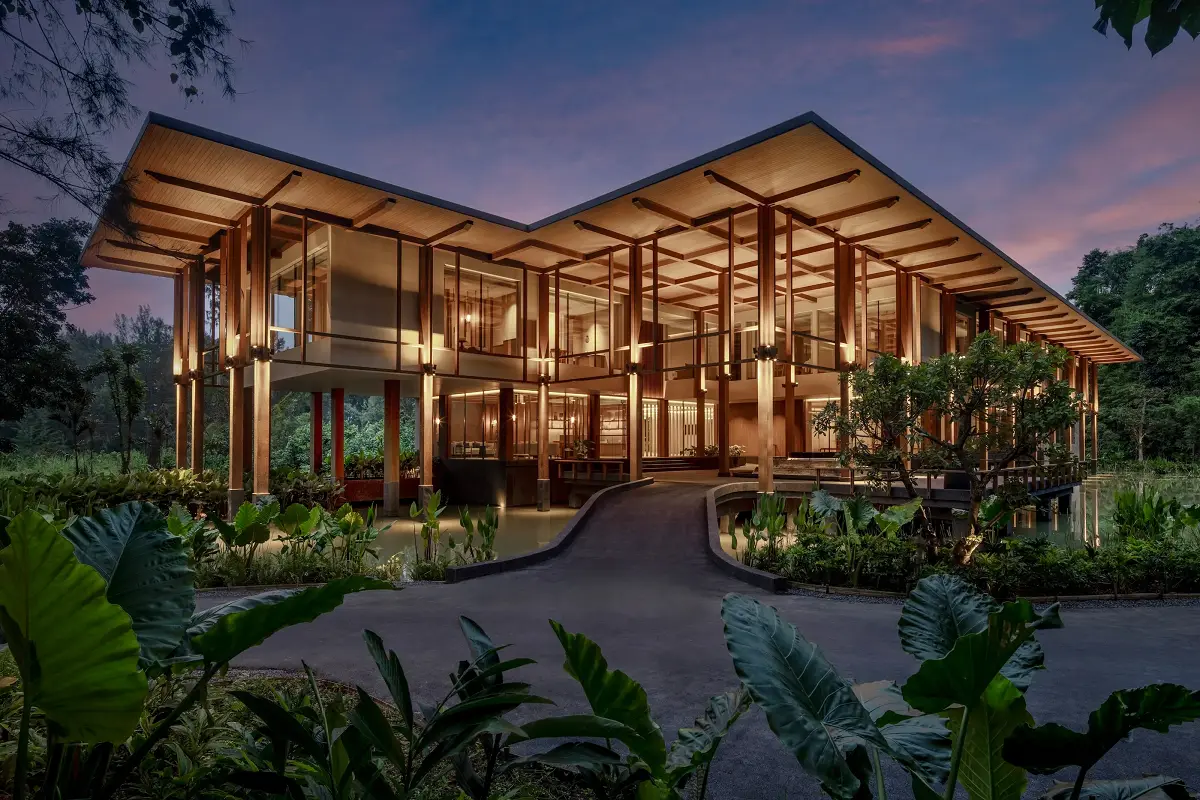
A significant hotel pipeline is expected to support that growth. Rotana is due to open the Mangrove this year, while Saij Mountain Lodge by Mantis is expected to open early next year with 70 villas on Jebel Jais, according to Harrison, extending the emirate's offering beyond its coastline and into its mountainous interior. Full details on Ras Al Khaimah's tourism strategy are available on the official Arabian Business website.
Wynn is expected to open in around 12 months, she said, with a series of international hotel brands following close behind. Harrison described the range of names joining the pipeline directly, saying they've got the unexpected Nobu, Janu, Fairmont, W Hotels, Four Seasons, and a whole range of really high quality brands coming to the emirate.
A Destination Building Its Story Deliberately
The pipeline forms part of a broader strategy to increase awareness of Ras Al Khaimah internationally while expanding the range of attractions available to visitors. Harrison framed the growth as intentional rather than opportunistic, saying they've got a great pipeline of hotels and are building out around that a whole plan to develop the destination to achieve the ambitious numbers they've set for themselves.
That kind of coordinated destination building, pairing luxury hotel brands with genuine attraction development rather than relying on hotel construction alone, reflects a broader shift across the Gulf's hospitality sector, where emirates increasingly compete not just on room count but on the depth and variety of experiences a destination can genuinely offer, a strategy echoed in how institutional investors elsewhere are consolidating and expanding branded hospitality portfolios to capture similar long term tourism growth, as seen in recent coverage of MHV's Cyprus Stock Exchange share expansion across the Mediterranean.
A Coastline Preparing for What Comes Next
Along Al Marjan Island's curving shoreline, construction cranes will soon join the palm trees and pool decks already lining the water, each new hotel brand arriving with its own promise of what a Ras Al Khaimah stay can become. Whether the emirate ultimately reaches its ambitious 2030 targets will depend on far more than any single quarter's numbers, but for now, a 47 per cent surge in domestic staycations offers genuine proof that this stretch of coastline has already found an audience willing to return, long before Nobu, Janu or Four Seasons ever open their doors.