Royal Orchid Hotels FY26 Results Posts ₹406 Crore FY26 Income
Royal Orchid Hotels FY26 results report ₹406 crore consolidated income, crosses ₹100 crore EBITDA, declares 25% dividend and targets 57+ hotels in pipeline.
 nishathapa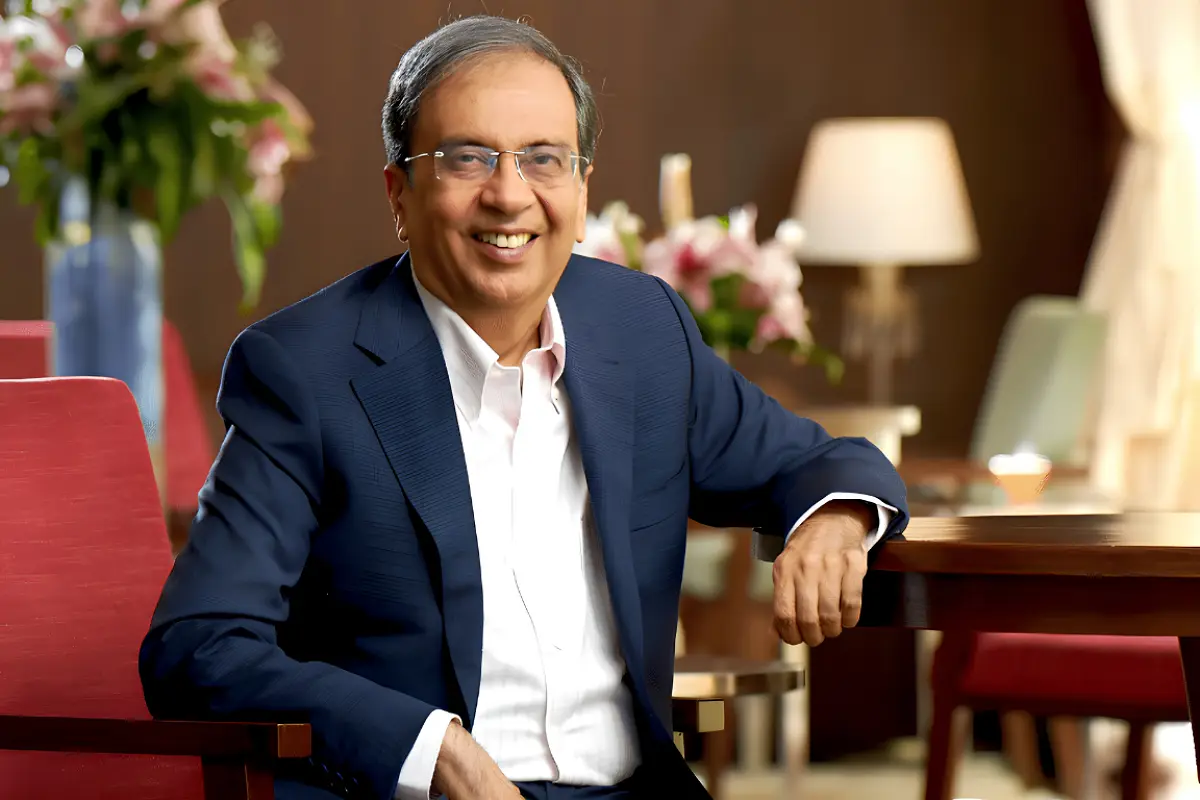
BENGALURU, May 26, 2026: Royal Orchid Hotels Limited posted consolidated total income of ₹406.43 crore for the full year ended March 31, 2026, up from ₹343.18 crore in the previous financial year, and crossed the ₹100-crore EBITDA milestone for the first time in its history, with consolidated EBITDA reaching ₹110.63 crore for FY26.
The board of directors declared a 25% dividend alongside the results, the latest in a string of shareholder returns as the company accelerates an asset-light expansion strategy that now holds more than 57 hotels in its development pipeline, with over 1,800 keys targeted for addition in the next six to nine months.
Royal Orchid Hotels FY26 results at a glance
On a consolidated basis, the company's total income for the full year grew 18.4% year-on-year to ₹406.43 crore. Consolidated EBITDA of ₹110.63 crore represents the company's first crossing of the ₹100-crore threshold on this metric, a marker management has previously cited as a key milestone for the business. Consolidated earnings per share stood at ₹11.74 for FY26.
Fourth-quarter consolidated performance was particularly strong. Q4 FY26 consolidated total income reached ₹118.93 crore, compared with ₹92.34 crore in Q4 FY25, a year-on-year increase of nearly 29%. Consolidated EBITDA for the quarter came in at ₹31.32 crore.
Standalone results reflect direct hotel operations performance
On a standalone basis, reflecting the company's directly owned and operated hotel assets, Royal Orchid Hotels reported total income of ₹212.90 crore for FY26, with standalone EBITDA of ₹55.84 crore. Profit after tax, including exceptional items, stood at ₹34.08 crore for the full year, with standalone earnings per share of ₹12.43.
For Q4 FY26 on a standalone basis, total income reached ₹54.98 crore, EBITDA came in at ₹14.39 crore, and profit after tax including exceptional items was ₹19.84 crore, with earnings per share of ₹7.24 for the quarter.
Six new properties added in Q4 as pipeline reaches 57-plus hotels
Royal Orchid Hotels currently operates 120 hotels across India. During the fourth quarter alone, the company added six new properties, with expansion concentrated in high-demand corridors including the National Capital Region and Mumbai, both markets that have delivered consistent RevPAR growth across the Indian hotel sector in FY26.
The company's development pipeline stands at over 57 hotels, representing more than 1,800 additional keys expected to come online within the next six to nine months. If delivered on schedule, the additions would push the company's total room inventory past 11,000 keys, a scale that would further entrench Royal Orchid Hotels among India's largest mid-scale hotel operators.
One of the most strategically significant additions in the pipeline is a property at Mumbai Airport Terminal 2, which management described as a high-visibility positioning play in one of India's busiest aviation hubs. Airport-adjacent hotels command premium occupancy driven by layover demand, early-morning and late-night flight patterns, and corporate transient traffic, making the Terminal 2 asset a commercially differentiated addition to the portfolio.
Asset-light strategy drives pipeline growth without heavy capital burden
Royal Orchid Hotels continues to execute growth primarily through management contracts and franchise agreements, an asset-light model that allows the company to expand its room count and revenue base without the capital expenditure and balance sheet risk of acquiring or constructing hotel real estate. Under this approach, the company earns fees from property owners in exchange for operating under the Royal Orchid or Regenta brand and applying the company's reservation systems, training frameworks and operational standards.
The asset-light approach also allows the company to accelerate into Tier II and Tier III markets — where land and construction costs are lower for owners and where organised hotel brands remain underpenetrated relative to demand — without committing its own capital to those markets. The 57-plus property pipeline reflects this strategy in practice, with signings spread across a range of markets rather than concentrated in premium metro locations.
CMD cites disciplined cost management and sustainable value creation
Chander K. Baljee, chairman and managing director of Royal Orchid Hotels Limited, attributed the FY26 performance to balanced regional portfolio growth, steady revenue expansion and disciplined cost management.
"Our strategic additions in high-demand markets and the launch of marquee properties underscore our commitment to sustainable long-term value creation," Baljee said. He added that with a strong pipeline of over 1,800 keys and new brand categories in development, the company is positioned to capitalise on India's growing travel and hospitality demand while delivering consistent value to shareholders.
The reference to new brand categories signals that Royal Orchid Hotels may be preparing to introduce one or more new formats under its umbrella, extending beyond the existing Royal Orchid and Regenta brands into either a higher-tier luxury segment, a budget or economy segment, or a specialised format such as extended-stay or eco-resort. No details were disclosed in the FY26 results announcement.
Results reflect broader India hospitality sector momentum
Royal Orchid Hotels' FY26 performance tracks a broader pattern of revenue and occupancy recovery across India's hotel sector, where domestic leisure travel, destination weddings, pilgrimage tourism and MICE demand have driven consistent growth since FY24. Mid-scale and upscale hotel operators, the segment in which Royal Orchid Hotels primarily competes, have benefited from rising consumer preference for branded accommodation over unorganised alternatives in Tier II and Tier III cities.
The company's ability to cross the ₹100-crore EBITDA mark at the consolidated level, while simultaneously running a 57-plus hotel pipeline on an asset-light basis, positions it as one of the more operationally efficient mid-scale operators in the Indian hospitality sector heading into FY27.