Summit Hotels Arunachal Pradesh Opens Boutique Retreat in Dirang
Summit Hotels Arunachal Pradesh launches Rungkhung Village Resort in Dirang, overlooking the Kameng River with rooms, suites, and curated Northeast experiences.
 nishathapa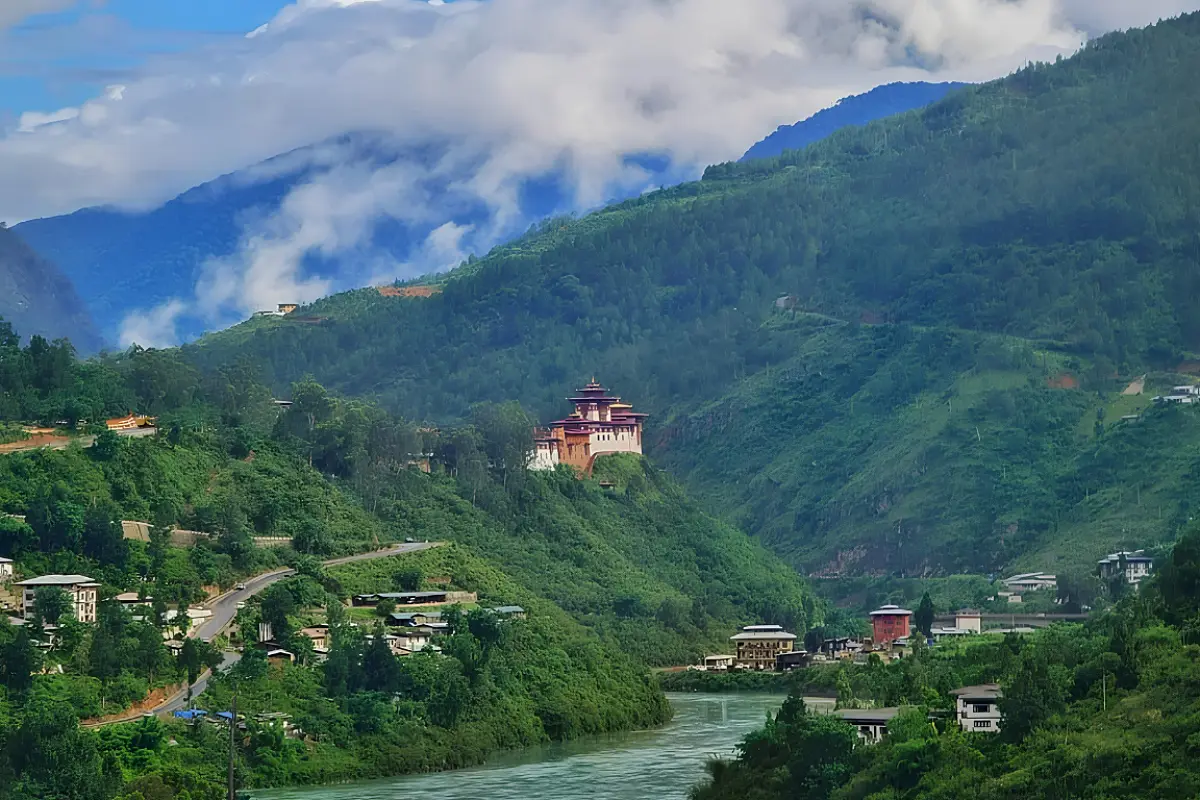
DIRANG, May 20, 2026: Summit Hotels & Resorts has announced Rungkhung Village Resort in Dirang, a boutique property in the Dirang Valley of Arunachal Pradesh that overlooks the Kameng River and the layered hills of the Eastern Himalayas. The resort joins the brand's Signature Collection and deepens Summit's already established presence across the northeastern Himalayan region.
Dirang is not a name that appears often in mainstream Indian travel writing, which is exactly why it matters here. Tucked between Tawang and Bomdila on the Arunachal highway, the town sits at around 1,500 metres, flanked by the Kameng River on one side and terraced hillsides rising sharply on the other. It has apple orchards, a medieval dzong, hot springs, and a pace of life that is genuinely different from anything accessible in a day's drive from a major airport. For a brand like Summit, which has spent years building credibility in Sikkim, Darjeeling, and the wider Himalayan corridor, this is familiar territory, not a stretch.
Rungkhung Village Resort: what the property offers
The boutique resort features rooms and suites across its key count, including Premium View Rooms and Junior Suites. Every room comes with a private balcony, a decision that feels less like an amenity and more like the entire point, given that the view from Dirang looking across the Kameng River toward the valley hills is the thing guests will come for and talk about when they leave.
Interiors are designed with warm tones, soft textures, and modern amenities, combining contemporary comfort with a material palette that acknowledges the local Arunachali context rather than overriding it. The dining setup centres on an all-day restaurant that serves a mix of multi-cuisine dishes alongside regional Northeast specialities, a practical acknowledgement that the food of Arunachal Pradesh, from thukpa and rice beer culture to smoked meats, is part of what makes a stay here different from anywhere else.
Outdoor spaces include landscaped gardens, bonfire areas, and relaxation zones designed to push guests into the natural environment rather than keep them inside. Curated local experiences and nature-led activities form the programming layer, the elements that convert a one-night stop into a three-night stay.
Why Summit Hotels chose Dirang
Sumit Mitruka, CEO, Summit Hotels & Resorts, placed the Dirang announcement inside a clear understanding of where Indian mountain travel is heading.
"Dirang is an emerging destination with immense natural appeal, and we see growing interest from travellers looking for less crowded, experience-driven locations. Our approach has been to create a property that stays true to the destination while offering the comfort and consistency that guests expect from the Summit brand."
— Sumit Mitruka, CEO, Summit Hotels & Resorts
The phrase "less crowded" is doing real work in that statement. The Indian mountain travel market has been under visible strain at its most popular nodes, Shimla, Manali, Mussoorie, and to a lesser extent Darjeeling, where overtourism has become a routine summer headline. Travellers who have already done those routes are actively looking for alternatives that offer comparable natural beauty without the crowds, noise, and infrastructure pressure. Dirang, accessible via Tezpur and requiring an Inner Line Permit from non-Arunachali visitors, remains genuinely limited in visitor numbers by both infrastructure and regulation. That scarcity is not a drawback for the guest profile Summit is targeting. It is the product.
Arunachal Pradesh and the slow-travel opportunity
Arunachal Pradesh has been developing a reputation as one of India's most rewarding and least easily accessible destinations. The state shares borders with Bhutan, China, and Myanmar, and its cultural, linguistic, and ecological diversity is extraordinary, more than 26 major tribes, dense subtropical and temperate forests, and Himalayan terrain that ranges from river valleys to high-altitude passes above 4,000 metres.
Tourism infrastructure, however, has historically lagged behind the destination's appeal. The roads are improving, air connectivity is growing with improved services into Tezpur and Itanagar, and the state government has been actively promoting its tourism assets. But the gap between what Arunachal offers and what is available to receive and host visitors at a quality level has been wide.
That is the gap Summit Hotels has built its regional identity filling, first in Sikkim and the Darjeeling hills, now in the West Kameng district of Arunachal Pradesh. A boutique property in Dirang with reliable standards, regional food, and curated activities does not just serve existing demand. It helps create the conditions for more of it.
Summit's Eastern Himalayan portfolio in context
Summit Hotels & Resorts has been among the most consistent builders of quality hospitality in the northeastern Himalayan corridor. Its portfolio spans Sikkim, Darjeeling, and now Arunachal Pradesh, states that share a geography and a traveller profile but are each distinct in culture, access, and the specific character of what they offer.
The Signature Collection, the format under which Rungkhung Village Resort launches, is designed for boutique properties with strong sense-of-place credentials. That positioning suits Dirang precisely. The resort is not trying to be a resort that happens to be in Arunachal Pradesh. It is trying to be a property that could only make sense in Arunachal Pradesh, rooted enough in the valley and the river and the local food that leaving feels like the experience is actually over, not just that the hotel checkout has happened.
Whether it achieves that will depend on execution. But the location, the format, and the brand's track record in comparable terrain give it a credible starting point.