Saksham Highlights Rising Costs, Compliance Gaps in India F&B Sector
Saksham industry meet in New Delhi highlights rising costs, compliance gaps, and operational challenges impacting India’s food service and hospitality sector.
 nishathapa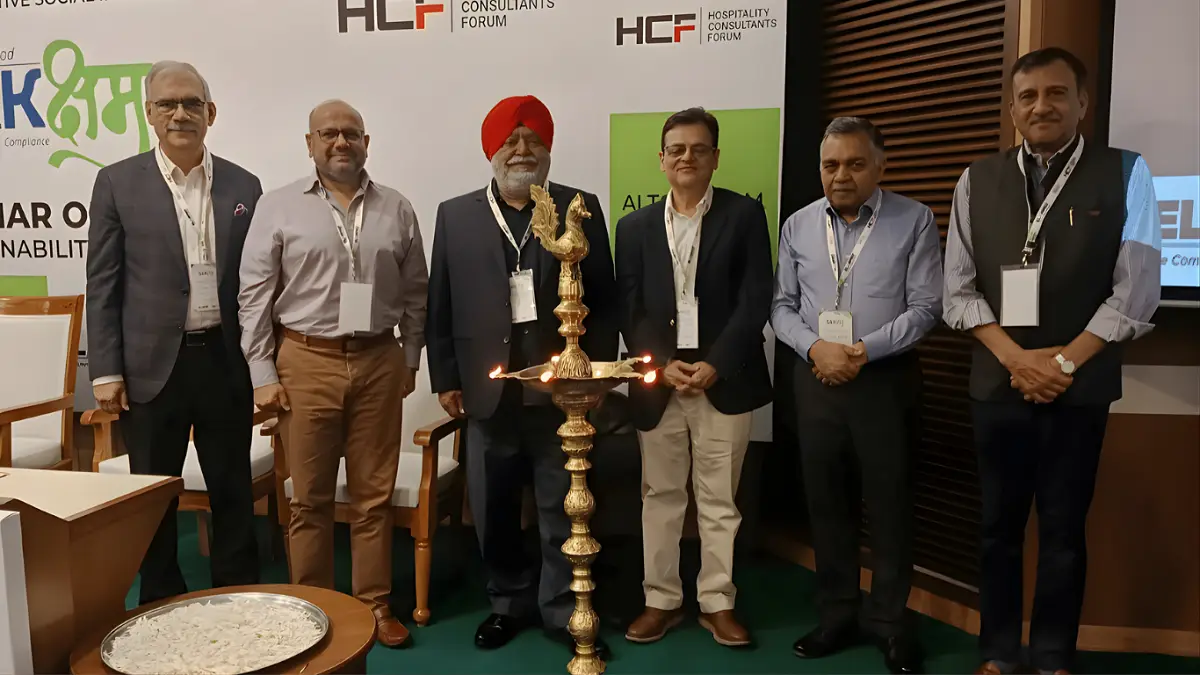
New Delhi, April 18, 2026: Industry leaders, regulators and operators across India’s food service and hospitality sector have flagged rising cost pressures and compliance gaps as critical challenges impacting operational stability and long-term growth, during the Saksham industry platform held in the capital.
Rising Costs Reshape Operational Decisions
Discussions at the Saksham forum highlighted how escalating energy prices, volatile input costs and tightening profit margins are increasingly influencing day-to-day business decisions across the HoReCa and food service segments. Operators indicated that these pressures are forcing closer scrutiny of procurement strategies, maintenance practices and overall operational efficiency.
Stakeholders noted that sustained cost inflation, particularly in areas such as LPG, logistics and raw materials, is making it difficult for businesses to maintain consistent service standards. These financial pressures are also pushing operators to balance cost management with maintaining quality and compliance, often creating operational trade-offs.
Industry participants pointed out that such conditions are not isolated but systemic, affecting both independent operators and organized players across the sector. The cumulative impact is reshaping how businesses allocate resources, manage risks and sustain profitability.
Shift from Compliance Enforcement to System Building
As regulatory frameworks evolve, the focus within the industry is gradually moving away from enforcement-driven compliance towards building systems that ensure consistent execution. Experts at the forum stressed that compliance should be embedded within operational processes rather than treated as a one-time requirement.
According to industry perspectives shared during the event, inconsistency in execution remains a significant risk, particularly in high-pressure operating environments. Licensing and regulatory approvals, often viewed as formal obligations, are increasingly being recognized as foundational elements for ensuring food safety, quality and operational reliability.
This shift requires businesses to invest in structured systems that can deliver compliance at scale, especially as they expand across multiple locations and formats. The emphasis is now on integrating compliance into daily workflows rather than relying solely on inspections or external enforcement mechanisms.
Ground-Level Challenges in HoReCa Operations
Operators across the HoReCa segment highlighted the growing complexity of maintaining operational discipline amid rising costs. Increased expenditure on fuel, supply chain disruptions and input inflation are creating challenges in sustaining established standards of service and safety.
Industry representatives emphasized that while cost pressures are intensifying, adherence to regulatory and operational frameworks cannot be compromised. Maintaining discipline in areas such as food safety, hygiene and compliance is becoming more critical, particularly as businesses navigate financial constraints.
These challenges are also influencing long-term operational decisions, with some businesses reassessing their approach to staffing, procurement and infrastructure investments. The balance between cost optimization and maintaining operational rigor remains a key concern for the sector.
Need for Integrated and Structured Interventions
As food service businesses continue to expand and diversify, the need for integrated operational systems has become more evident. Fragmented practices are increasingly being seen as inadequate for managing the complexities of modern hospitality operations.
Industry experts at the Saksham platform highlighted the importance of structured interventions that can help businesses transition from intent to execution. This includes adopting standardized processes, leveraging expert guidance and implementing frameworks that support consistent performance across multiple locations.
The discussions also underscored the interconnected nature of safety, sustainability and compliance. Failure to maintain balance across these areas can lead to operational inefficiencies and increased risk exposure, affecting both individual businesses and the broader ecosystem.
Saksham Platform Drives Industry Collaboration
The Delhi edition of Saksham brought together over 125 participants, including chefs, hotel engineers, restaurant operators, consultants and emerging entrepreneurs, to address real-world challenges facing the sector. The platform, a knowledge-led initiative by Elanpro in association with HCF, focuses on advancing safety, sustainability and compliance within the industry.
The initiative is designed to move beyond discussion and enable practical implementation. As part of its approach, participants will gain access to expert advisory support, including diagnostic audits covering safety, compliance and sustainability parameters.
These assessments aim to provide structured insights into operational risks, identify gaps and offer actionable recommendations. By facilitating this transition from awareness to execution, Saksham seeks to strengthen operational resilience across the food service and hospitality sector.
The discussions at the platform reflect a broader industry shift, where businesses are increasingly focusing on building robust systems to manage costs, ensure compliance and sustain growth in a challenging operating environment.