Sea Sense Boutique Hotel Sozopol Adds Relaxation Area
Sea Sense Boutique Hotel Sozopol has added a new relaxation area featuring a sauna and steam room, following its recent Michelin Guide recognition.
 RUKAIYA KADIWAL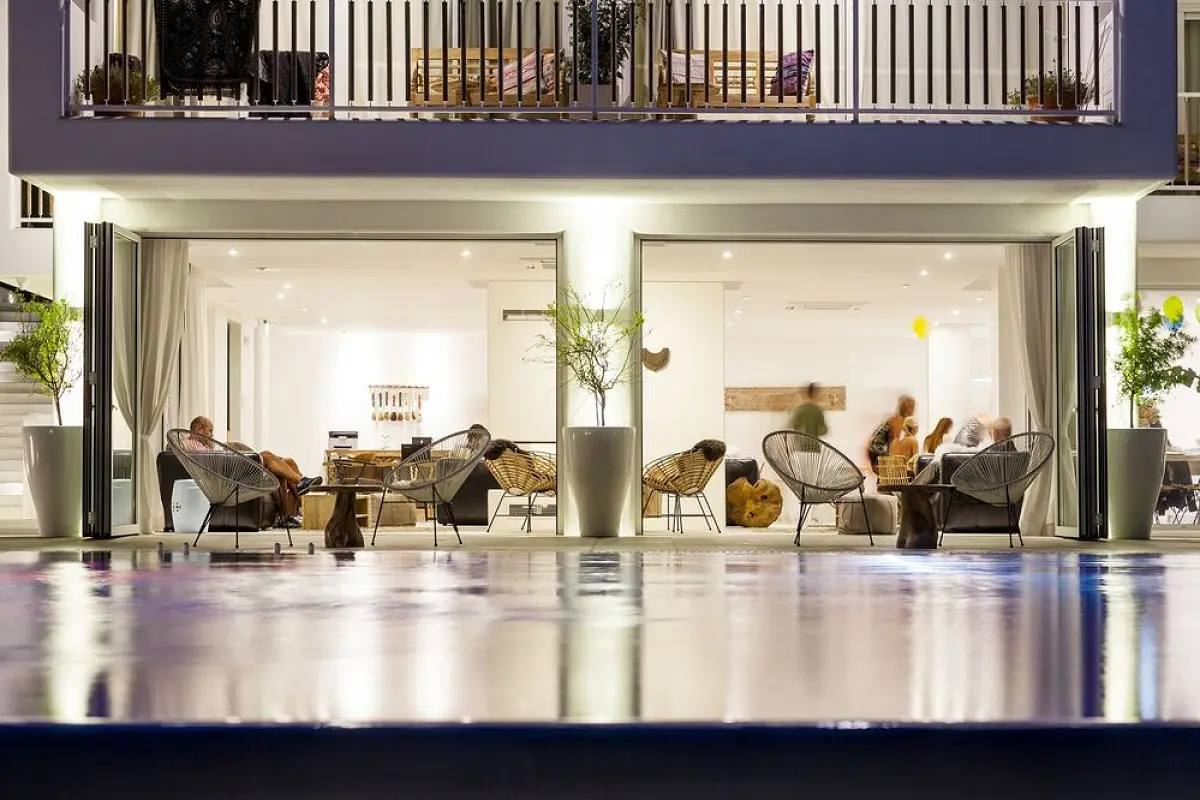
A guest settles into a woven rattan chair on the terrace, glass doors folded open toward a pool that mirrors the evening light, and for a moment the sound of the town beyond seems to disappear entirely. This quiet scene captures exactly what owner Dimitar Kolev set out to build at Sea Sense Boutique Hotel Sozopol, a place designed so guests forget they are ever surrounded by other people at all.
The hotel has just added a new relaxation area, featuring a sauna, steam room, gym, and a range of treatments. The addition arrives alongside another milestone. Sea Sense has become the second hotel in the seaside town of Sozopol to appear on the Michelin Guide's list of recommended properties, placing it among the latest Bulgarian hotels to earn that recognition.
How Sea Sense Boutique Hotel Sozopol Began
Sea Sense officially opened in 2016, though its architectural concept and overall atmosphere had been developed long before that date. Kolev said several different teams worked on the project before the property reached its intended form, a process that reflects how deliberately the hotel's identity was shaped from the start.
"From the very beginning, we were looking to create a sense of peace and privacy," Kolev said. "We wanted guests to cross the threshold and gradually disconnect from the rhythm of everyday life." That quote captures the founding principle behind the hotel's design, one built around transition rather than spectacle, easing guests out of daily routine rather than simply announcing luxury.
Privacy Built Into the Architecture Itself
Kolev emphasized that even when the hotel operates at full occupancy, individual guests rarely feel crowded. "Even when the hotel is full, you don't feel the noise or the crowds," he said. "Everyone has their own space and their own sense of privacy. We wanted tranquility to be part of the architecture itself, rather than simply another service we offer." That distinction matters because it separates Sea Sense from properties that treat calm as an amenity rather than a structural choice.
Particular attention went into the hotel's vertical layout, with spaces arranged so that moving through the property gradually reveals different views and perspectives of the sea. Kolev said guests often describe leaving the hotel feeling as though they arrived somewhere entirely different from where they started, an effect the design team pursued intentionally rather than leaving to chance.
Thirteen Rooms Facing the Black Sea
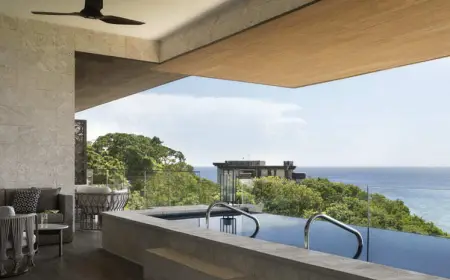
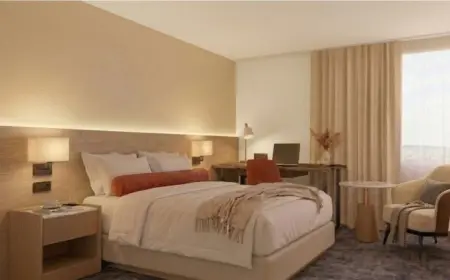
The property sits directly on the seafront and holds just 13 rooms, with the sea functioning as a natural extension of the architecture rather than a distant backdrop. Panoramic views, an infinity pool, bright interiors, and natural materials define the physical experience of staying at Sea Sense, according to Kolev.
That intimate scale shapes how the hotel operates day to day. With so few rooms, the property can maintain the kind of individualized attention that larger resorts often struggle to replicate, reinforcing the sense of privacy Kolev describes as central to the concept.
A Restaurant Built Around Returning Guests
The hotel's restaurant serves primarily hotel guests and people who have visited the property before, a structure that reflects how central repeat visitation is to the Sea Sense concept. Kolev said a large proportion of guests return again and again, with some even purchasing property in Sozopol to continue visiting the hotel long term.
"Over time, a kind of community has formed around the hotel of people who like not only Sea Sense but Sozopol itself," Kolev said. That comment reveals something beyond simple guest loyalty. It points to a hotel that has become embedded in its guests' relationship with the destination itself, not merely a place to stay but a reason some choose to keep returning to the town.
Weddings, Private Events, and a Consistent Philosophy
Sea Sense also hosts private events, including weddings, though Kolev said the central idea remains constant regardless of the occasion, giving guests an opportunity to disconnect from the pace of everyday life. Even the hotel's name reflects that philosophy. "The sea was the natural starting point for the name," Kolev said. "From the very beginning, we wanted to create a place that conveys a sense of lightness, tranquility and closeness to nature."
What Michelin Recognition Means for Sea Sense
The Michelin Guide describes the hotel as a boutique property on the Black Sea coast, highlighting its panoramic views, infinity pool, sauna, and sea view gym. The guide's hotel selection process weighs the overall guest experience, a property's character, service quality, and individuality, criteria that align closely with the priorities Kolev describes shaping Sea Sense since its earliest planning stages.
For Kolev, the recognition validates a specific philosophy rather than simply confirming quality. "We never set out simply to create another hotel by the sea," he said. "We wanted to create a place with its own character, where people feel good and want to come back." That distinction, between building another coastal hotel and building a destination in its own right, appears to be exactly what Michelin's selection recognized.
A Broader Push for Bulgarian Hospitality
Sea Sense's inclusion arrives as part of a wider effort to highlight Bulgarian properties on the international stage. Tourism Minister Ilin Dimitrov said the country needs to tell the stories behind hotels like Sea Sense, arguing that showcasing what lies behind their success can encourage more industry investment in quality, character, and guest experience.
That broader recognition of character driven hospitality echoes patterns seen elsewhere in the industry, including how historic properties balance preservation with modern guest expectations, a tension explored in recent coverage of the Villard Houses in New York, where adaptive reuse allowed a historic identity to survive within a fully modern hotel structure.
What Sea Sense Represents Going Forward
The new relaxation area extends a concept that has guided Sea Sense since long before its 2016 opening, adding physical space for stillness to a property already built around the idea. For Kolev, the addition simply completes something that existed in the original vision from the start.
What Sea Sense ultimately offers is not a single amenity or view, but an entire environment engineered around the sensation of slowing down. In a hospitality landscape increasingly defined by constant stimulation, that quiet, deliberate restraint may be exactly what continues drawing guests back to Sozopol's shore.
Learn more at Sea Sense's official website.