Six Senses Fort Barwara Redefines Luxury Through Heritage, Wellness Focus
Six Senses Fort Barwara blends heritage restoration, wellness, and sustainability, reflecting evolving luxury travel demand driven by domestic tourism in India.
 nishathapa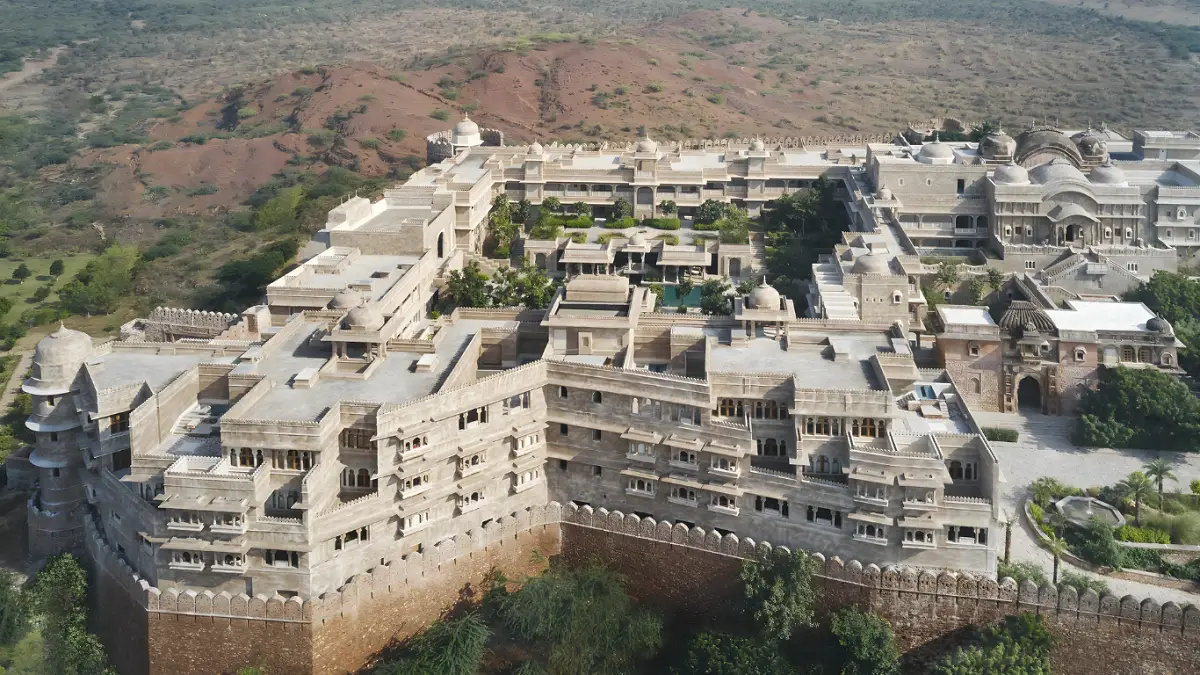
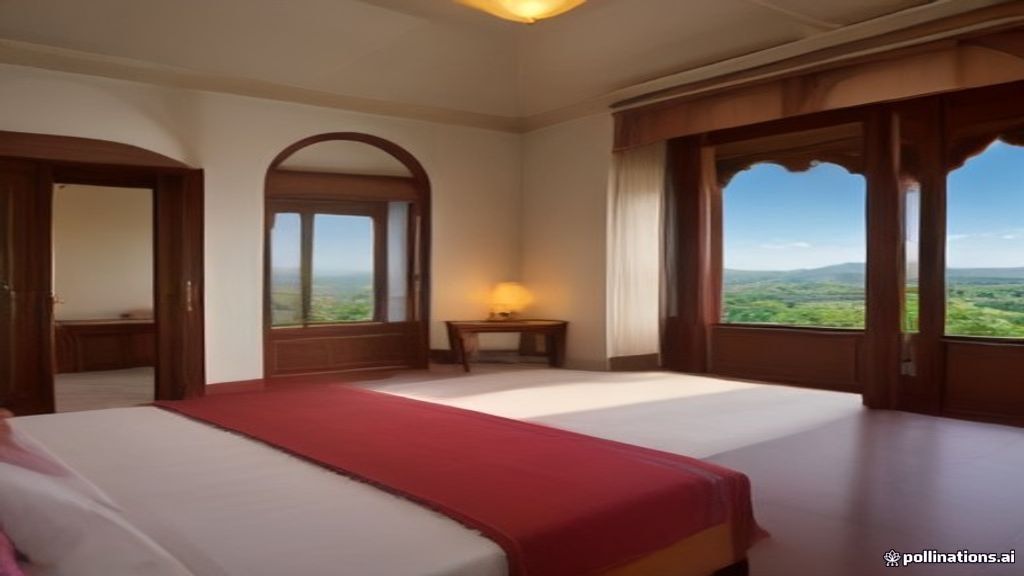
Rajasthan, India | April 2026: Six Senses Fort Barwara, a 14th-century fort converted into a luxury resort in October 2021, is emerging as a benchmark for heritage-led hospitality in India, combining conservation, wellness, and culturally immersive experiences as domestic travel demand continues to evolve.
Developed from a 700-year-old structure originally built by the Chauhans and later held by the Rajawat dynasty, the property integrates two palaces and two temples within its fortified complex. The restoration was undertaken using traditional Rajasthani construction techniques, alongside modern sustainability measures such as rainwater harvesting systems and solar energy integration.
Heritage Restoration Anchors Hospitality Offering
The fort’s transformation into a luxury wellness destination followed a detailed conservation process led by the owning royal family in collaboration with Espire Group. The project preserved architectural integrity while adapting the structure for contemporary hospitality use.
Historical elements, including palace structures and temple spaces, were retained within the design framework, maintaining the site’s cultural identity. Restoration efforts were aligned with traditional craftsmanship, ensuring minimal disruption to the original architecture.
The property’s lineage includes its association with Raja Man Singh of Barwara, who served alongside the British during World War II and was awarded the title of Rao Bahadur. The fort was later restored by his grandson, Prithviraj Singh, before its repositioning as a hospitality asset.
Shift Toward Experience-Led Luxury Demand
According to the operator, the property reflects a broader shift in Indian luxury travel behaviour, where guests are prioritising personalised, experience-driven stays over standardised offerings. This trend has strengthened domestic tourism, with travellers increasingly choosing high-quality stays within the country.
The evolution is reflected in longer booking windows, repeat visitation, and a growing preference for destinations that offer privacy, wellness, and cultural immersion. The demand pattern indicates a structural change rather than a short-term response to external factors such as geopolitical uncertainty.
The property’s positioning focuses on limited inventory and personalised service delivery, aligning with expectations of exclusivity and privacy among high-value travellers.
Wellness Integrated Into Core Guest Experience
Wellness forms a central component of the property’s offering, embedded across guest experiences rather than treated as a standalone service. The approach combines traditional healing practices with contemporary wellness frameworks, including sleep programmes, mindfulness sessions, nutrition planning, and fitness routines.
The focus on personalised wellness journeys reflects changing guest expectations, where outcomes and long-term benefits are prioritised over one-time experiences. Structured programmes are designed to address individual preferences, contributing to differentiation within the luxury segment.
This integrated model aligns with broader industry trends where wellness is increasingly positioned as a core driver of demand and competitive advantage in premium hospitality.
Domestic Travel Driving Market Transformation
The growth of domestic tourism is reshaping the hospitality landscape, with travellers demonstrating higher spending capacity and greater discernment in selecting destinations. The shift has led to increased demand for properties that offer authentic, locally rooted experiences.
Operators are responding by moving from volume-based strategies to value-driven engagement, focusing on segmentation and customised offerings for distinct traveller groups such as wellness seekers, celebratory travellers, and experiential explorers.
The trend is also influencing pricing strategies and guest engagement models, with emphasis on pre-arrival planning and post-stay interaction to build repeat business and long-term loyalty.
Balancing Sustainability with Heritage Preservation
The integration of sustainability measures within a heritage structure presents operational challenges, particularly in maintaining architectural authenticity while implementing modern systems. At Six Senses Fort Barwara, interventions such as solar energy usage and water conservation systems have been incorporated with minimal visual or structural impact.
These constraints have driven adaptive solutions, enabling the property to align with sustainability goals without compromising its historical character. The approach reflects a growing emphasis on responsible hospitality practices in heritage destinations.
Community engagement also forms a key component of the operational model, with collaborations involving local artisans, farmers, and entrepreneurs. This supports local economic activity while enhancing the authenticity of guest experiences through place-based interactions.
The property’s development and ongoing operations illustrate a convergence of heritage conservation, wellness integration, and experiential hospitality, positioning it within a segment of the market shaped by evolving domestic travel preferences and sustainability considerations.