Sula Vineyards Expands Premium Wine Tourism Portfolio with Landmark Dindori Estate Acquisition
Sula Vineyards acquires the Dindori estate to strengthen its premium wine tourism offerings, boosting hospitality and experiential travel in India’s wine regions.
 nishathapa
 Sula Vineyards has announced the acquisition of a landmark estate in Dindori, Maharashtra, in 2026, marking a strategic move to expand its premium wine tourism portfolio in India. The acquisition, located in one of the country’s most prominent wine-producing regions near Nashik, aims to enhance Sula’s offerings in experiential travel and hospitality while capitalizing on the growing demand for vineyard-based tourism.
The company is investing in the development of the Dindori estate as a high-end wine tourism destination, combining luxury hospitality, curated wine experiences, and scenic vineyard landscapes. The move reflects Sula’s long-term vision to position India as a competitive player in global wine tourism while strengthening its leadership in the domestic market.
Strategic Expansion into Premium Wine Tourism
The acquisition of the Dindori estate represents a significant step in Sula Vineyards’ strategy to expand beyond wine production into premium hospitality and tourism experiences. By developing integrated vineyard destinations, the company aims to attract both domestic and international travelers seeking unique, immersive experiences.
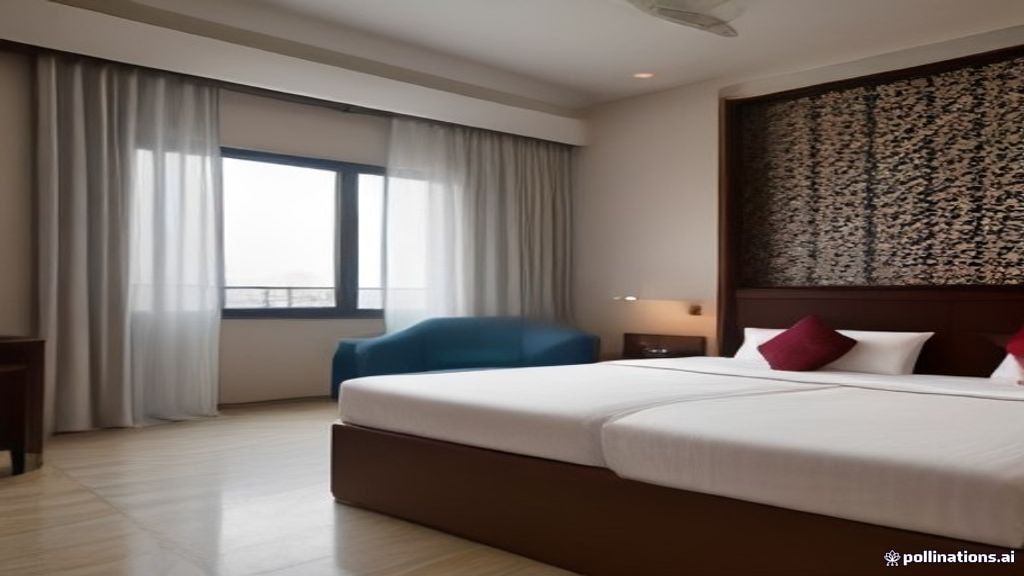
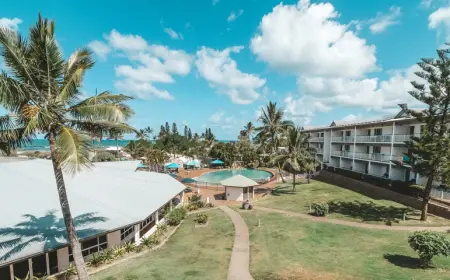
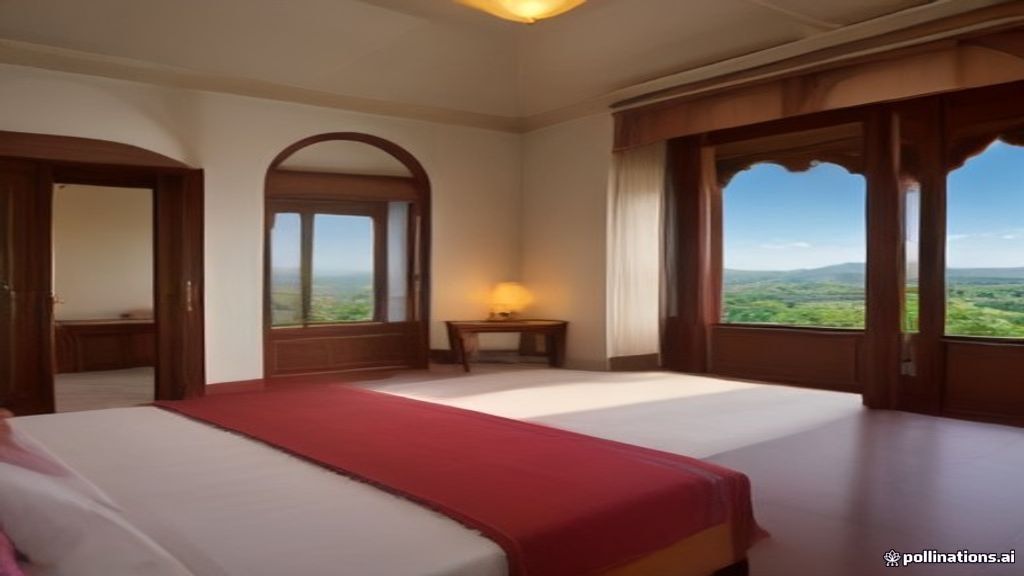
The estate is expected to feature luxury accommodations, tasting rooms, fine dining options, and curated vineyard tours. These offerings are designed to create a holistic experience that combines leisure, gastronomy, and wine education.
This strategic focus aligns with global trends where wineries are increasingly diversifying into hospitality to enhance revenue streams and brand engagement.
Rising Demand for Experiential and Wine Tourism
India’s tourism landscape is witnessing a shift toward experiential travel, with consumers seeking personalized and immersive experiences. Wine tourism, which combines travel with wine tasting, vineyard tours, and cultural activities, is gaining traction among affluent and urban travelers.
Nashik and surrounding regions, including Dindori, have emerged as key hubs for wine tourism in India, often referred to as the country’s wine capital. Improved connectivity, growing awareness, and rising disposable incomes are contributing to increased visitor numbers.
Sula Vineyards is positioning itself to capitalize on this trend by expanding its portfolio of destination-driven experiences.
Enhancing Hospitality Offerings
The development of the Dindori estate is expected to significantly enhance Sula’s hospitality offerings, building on its existing vineyard experiences. The company has already established a strong presence in wine tourism through its resorts, tasting facilities, and annual events.
The new estate will likely focus on premium and luxury segments, catering to high-end travelers looking for exclusive and curated experiences. The integration of hospitality with wine tourism allows Sula to create differentiated offerings that stand out in a competitive market.
This expansion reflects the increasing convergence of hospitality, lifestyle, and leisure within the tourism sector.
Boost to Regional Tourism and Economy
The development of a premium wine tourism destination in Dindori is expected to have a positive impact on the regional economy by attracting tourists and generating employment opportunities. The project will support local businesses, including suppliers, transport providers, and service operators.
Wine tourism destinations often contribute to the overall development of surrounding areas by improving infrastructure and increasing visibility. The presence of high-quality hospitality offerings can also encourage longer stays and higher spending by visitors.
This initiative is expected to strengthen the tourism ecosystem in Maharashtra’s wine region.
Competitive Landscape in Wine Tourism
The wine tourism segment in India is still in its early stages but is witnessing increasing interest from both established players and new entrants. Companies are focusing on creating unique experiences to attract visitors and build brand loyalty.
Sula Vineyards, as a market leader, has a first-mover advantage and strong brand recognition, which it is leveraging to expand its footprint. The acquisition of the Dindori estate further consolidates its position in the segment.
Competition is expected to intensify as more operators explore opportunities in experiential tourism.
Integration of Sustainability Practices
Sustainability is likely to play a key role in the development of the Dindori estate, with a focus on environmentally responsible practices in vineyard management and hospitality operations. Eco-friendly initiatives, such as water conservation, waste management, and renewable energy use, are becoming increasingly important in tourism projects.
Travelers are also showing a growing preference for sustainable destinations, making it essential for operators to adopt green practices. Sula’s emphasis on sustainability can enhance its appeal among environmentally conscious consumers.
Such initiatives contribute to the long-term viability of wine tourism destinations.
Infrastructure and Accessibility
The success of wine tourism destinations depends on accessibility and infrastructure, and the Dindori region benefits from its proximity to Nashik and connectivity to major cities like Mumbai and Pune. Ongoing infrastructure improvements are expected to further enhance the region’s attractiveness for tourists.
Ease of access, combined with quality hospitality offerings, is critical in attracting a steady flow of visitors. The development of the Dindori estate is expected to leverage these advantages to create a compelling destination.
Infrastructure development will continue to support the growth of tourism in the region.
Opportunities for Brand Building
The expansion into premium wine tourism provides Sula Vineyards with an opportunity to strengthen its brand positioning as a lifestyle and experiential brand. By offering curated experiences, the company can deepen customer engagement and build long-term loyalty.
Events, festivals, and exclusive experiences hosted at the estate can further enhance brand visibility and attract a diverse audience. Wine tourism also serves as a powerful marketing tool, allowing consumers to connect with the brand in a meaningful way.
This approach is increasingly being adopted by global wine producers.
Future Outlook for Wine Tourism in India
The outlook for wine tourism in India remains positive, driven by changing consumer preferences and increasing interest in experiential travel. As awareness grows and infrastructure improves, the segment is expected to expand significantly in the coming years.
Investments by companies like Sula Vineyards are likely to play a crucial role in shaping the industry and setting benchmarks for quality and innovation. The development of premium destinations can also attract international tourists, further boosting the sector.
The Dindori estate project represents a key milestone in the evolution of India’s wine tourism industry.
Conclusion
Sula Vineyards’ acquisition of the Dindori estate underscores its commitment to expanding premium wine tourism in India, as the company leverages experiential travel trends to drive growth and strengthen its market leadership.