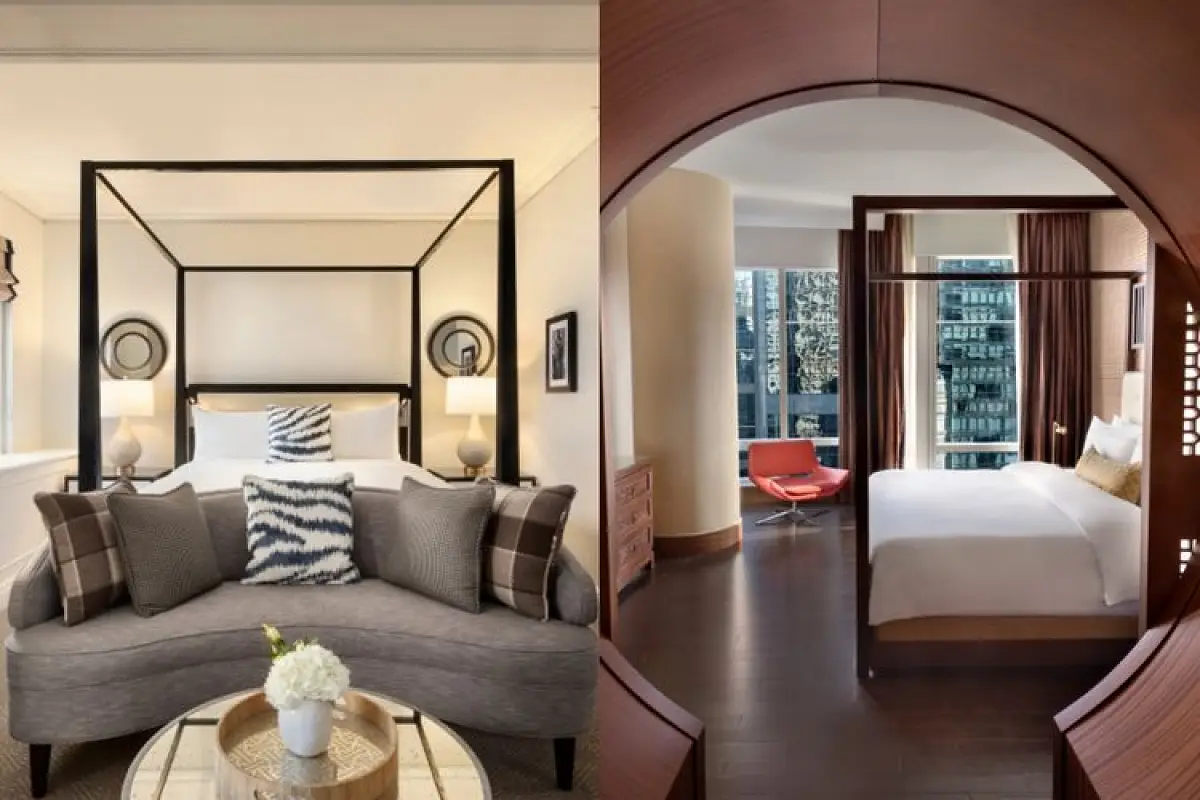
Summer Travel Shift Pushes Hotels to Redefine Guest Experience in India
Changing summer travel trends in India are reshaping hotel strategies, with a shift toward personalised family experiences and anticipatory service models.
 nishathapa
Bengaluru, April 2026: Summer travel patterns in India are reshaping how hotels design and deliver guest experiences, with a noticeable shift from product-driven offerings to personalised, intention-led stays. Industry observations indicate that guests are now choosing properties based on how well they align with specific travel goals rather than traditional considerations such as room quality or amenities.
This transition is particularly evident in urban hospitality markets, where seasonal demand fluctuations have historically been linked to business travel cycles. Hotels are now reassessing their approach to summer, focusing on emerging guest segments and evolving expectations to maintain relevance during periods of lower corporate occupancy.
Shift from Product to Purpose-Driven Travel
The current phase of travel demand reflects a structural change in guest motivation. Instead of travelling based on seasonal patterns or fixed occasions, travellers are increasingly defining trips around specific outcomes, such as relaxation, wellness, cultural immersion, or family engagement.
This shift has altered the evaluation criteria for hotels. Guests are no longer comparing properties solely on physical infrastructure or brand positioning. Instead, they are assessing how effectively a hotel can deliver a cohesive and personalised experience aligned with their intent.
At The Den Bengaluru, internal strategy discussions have centred on identifying underserved guest segments during summer months, particularly as business travel demand softens. The focus has moved from sustaining occupancy levels to redesigning the guest mix and experience offering.
Rise of the Family as a Core Travel Segment
One of the most significant developments is the growing importance of the family traveller. Unlike earlier approaches that treated families as a standard room configuration, hotels are now recognising them as complex, multi-layered guest units with varied and often conflicting needs.
A single family booking may include members with entirely different expectations, ranging from wellness and leisure to work, entertainment, and dining preferences. This diversity requires hotels to create flexible, multi-dimensional experiences rather than uniform service offerings.
The challenge lies in delivering individualised experiences within a shared stay framework. Industry operators note that success in this segment depends on understanding each guest profile within the family unit and tailoring services accordingly, without fragmenting the overall experience.
Evolving Guest Profile and Expectations
The profile of the modern traveller has also undergone a notable shift. Exposure to global content across streaming platforms, travel media, and digital storytelling has created a more informed and discerning guest base.
Travellers are arriving with predefined expectations shaped by what they have seen and consumed, rather than relying solely on past travel experiences. This has raised the benchmark for hospitality providers, as guests increasingly measure their stay against an imagined or curated ideal rather than a direct competitor.
This trend is particularly visible among younger travellers and multi-generational groups, where exposure to global standards influences decision-making and satisfaction levels. As a result, hotels are required to deliver experiences that align with both global expectations and local authenticity.
From Reactive Service to Anticipatory Hospitality
The changing guest mindset has redefined service delivery models within hotels. Traditional service frameworks focused on responding to expressed guest needs are being replaced by anticipatory approaches that aim to identify and address requirements before they are articulated.
This involves continuous observation and adaptation, with service teams expected to respond dynamically to changes in guest behaviour, preferences, and external conditions such as weather or schedule shifts.
Examples of this approach include adjusting food and beverage preferences based on climate, modifying activity recommendations during the stay, or reconfiguring in-room experiences to match evolving guest moods. The emphasis is on seamless adaptation without making the process visible to the guest.
Such a model requires a higher level of operational awareness and decision-making capability at the frontline, moving beyond standardised service protocols.
Expanding Role of Experience in Urban Hotels
City hotels, in particular, are repositioning themselves to compete with traditional leisure destinations during summer. Without the natural advantages of resort locations, urban properties are focusing on curating local experiences that reflect the cultural and social fabric of the city.
This includes integrating local cuisine, creative communities, and destination-specific narratives into the guest journey. The role of the hotel is evolving from a place of stay to a curated gateway that enables guests to engage meaningfully with the destination.
Operators are also rethinking experiential offerings, moving beyond standard formats such as themed dining or curated events. The emphasis is on creating personalised interactions that align with guest interests, such as tailored culinary engagements or customised in-room setups.
Operational Focus on Team Capability and Continuity
Delivering these experiences has shifted the focus of investment within hotels. Rather than prioritising physical upgrades, operators are placing greater emphasis on team training, internal communication, and guest data utilisation.
Pre-arrival engagement, daily operational briefings, and post-stay data capture are becoming critical components of service delivery. The ability to retain and recall guest preferences across visits is emerging as a key competitive advantage.
Industry practitioners note that institutional memory, capturing what worked for a guest and applying it in future stays—is becoming as important as physical infrastructure in defining service quality.
As summer travel continues to evolve, hotels that can align their offerings with changing guest expectations, particularly around personalisation and flexibility, are likely to strengthen their positioning in an increasingly competitive market.