The Lalit New Delhi Dispute: Delhi HC Upholds ₹1,063 Cr Dues
The Lalit New Delhi dispute sees Delhi HC uphold ₹1,063 crore dues and cancel Bharat Hotels’ licence, putting the hotel at legal risk.
 nishathapa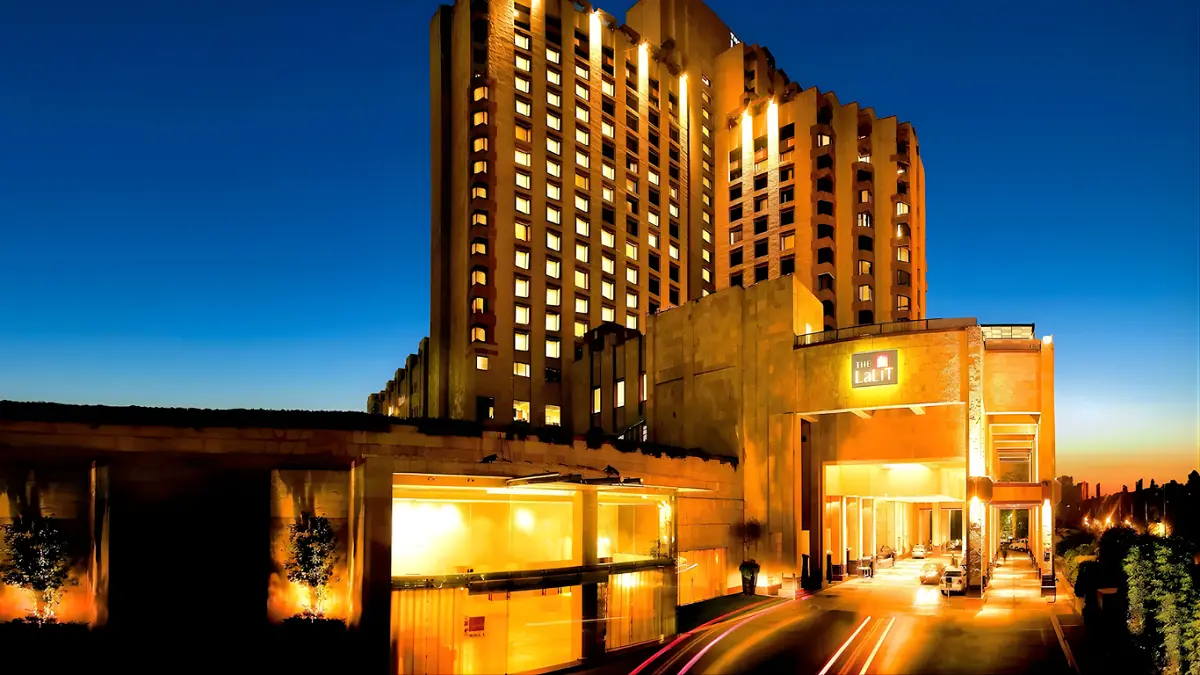
April 29, 2026 | New Delhi: The Delhi High Court has upheld a demand of over ₹1,063 crore in pending licence fees and approved the cancellation of the operating licence of Bharat Hotels Limited for The Lalit New Delhi, placing one of the capital’s most prominent luxury hotels at the centre of a major legal and operational crisis.
The ruling, delivered on April 22, 2026, supports the New Delhi Municipal Council (NDMC)’s decision to terminate the licence agreement governing the hotel’s operations on a prime land parcel in central Delhi. The judgment marks a decisive turn in a long-running dispute over land use, licence terms, and fee revisions.
High court backs NDMC’s ₹1,063 crore demand
The dispute stems from a demand notice issued by NDMC on February 13, 2020, seeking ₹1,063.74 crore in revised licence fees from Bharat Hotels Limited, the owner and operator of The Lalit New Delhi. The demand followed a reassessment of fees as per provisions in the original agreement.
When the dues remained unpaid, NDMC moved to cancel the licence. Bharat Hotels challenged the move in court, initially securing relief from a single bench. However, the municipal body appealed the decision, leading to a reversal by a Division Bench of the Delhi High Court.
The Division Bench, led by Chief Justice D.K. Upadhyay and Justice Tushar Rao Gedela, ruled in favour of NDMC, stating that public land in New Delhi is a “limited and valuable resource” and arrangements that result in financial loss to a public authority cannot be sustained.
1982 agreement defined as licence, not contract
A key aspect of the judgment was the court’s interpretation of the 1982 agreement between NDMC and Bharat Hotels. The court clarified that the arrangement constituted a licence rather than a conventional commercial contract.
This distinction granted NDMC greater authority to regulate terms, revise fees, and enforce compliance. The court held that the municipal body acted within its rights in revising licence fees after the stipulated 33-year period under the agreement.
The ruling also raised concerns over alleged sub-licensing of commercial spaces within the property, including areas linked to the World Trade Center complex, indicating these arrangements may not have aligned with the original licence conditions.
Prime land parcel at centre of dispute
The legal conflict revolves around a 6.0485-acre land parcel on Barakhamba Lane in central Delhi. The land was originally allotted to NDMC by the central government in 1973 and subsequently licensed to Bharat Hotels in 1982 under a 99-year agreement to develop and operate a five-star hotel.
The Lalit New Delhi, established in 1988 with 444 rooms, has since become a landmark property in the city’s luxury hospitality segment. Its location in the central business district has made it a key asset within Delhi’s hotel landscape.
Over the years, the property has been associated with large-scale commercial activity, premium hospitality services, and high-profile events, reinforcing its position as a flagship hotel in the capital.
Impact on Bharat Hotels and future options
The ruling places Bharat Hotels Limited in a critical position, with NDMC now empowered to proceed with recovery of dues, take possession of the property, or initiate a fresh allotment process for the land.
While the licence cancellation has been upheld, the company retains the legal option to challenge the decision before the Supreme Court of India. The outcome of any further appeal will be crucial in determining the operational future of the hotel.
The Lalit group, founded by Lalit Suri, expanded rapidly across India during the 1990s and early 2000s, building a portfolio across cities such as Mumbai, Goa, Bengaluru, and Udaipur. Following Suri’s death in 2006, the group continued operations under the leadership of Jyotsna Suri, maintaining its position as a privately owned luxury hospitality brand with both domestic and international presence.
Wider implications for hospitality sector
The case is being closely watched within the hospitality industry due to its broader implications for hotels operating on public land under long-term licence agreements. The court’s interpretation of such agreements as licences rather than contracts may influence how similar arrangements are structured and enforced in the future.
It also highlights increasing regulatory scrutiny around land use, fee revisions, and compliance with licence conditions in urban hospitality projects, particularly in prime city locations.
With the Delhi High Court’s decision now in effect, The Lalit New Delhi faces a period of uncertainty. The resolution of the dispute, whether through further legal proceedings or administrative action, is expected to shape not only the future of the property but also the regulatory framework governing hospitality developments on public land in India.