Travel Food Services FY26 Results Show Strong Growth
Travel Food Services FY26 results report Rs 32,144 million in sales with operations expanding across 20 airports. Read the full story here.
 nishathapa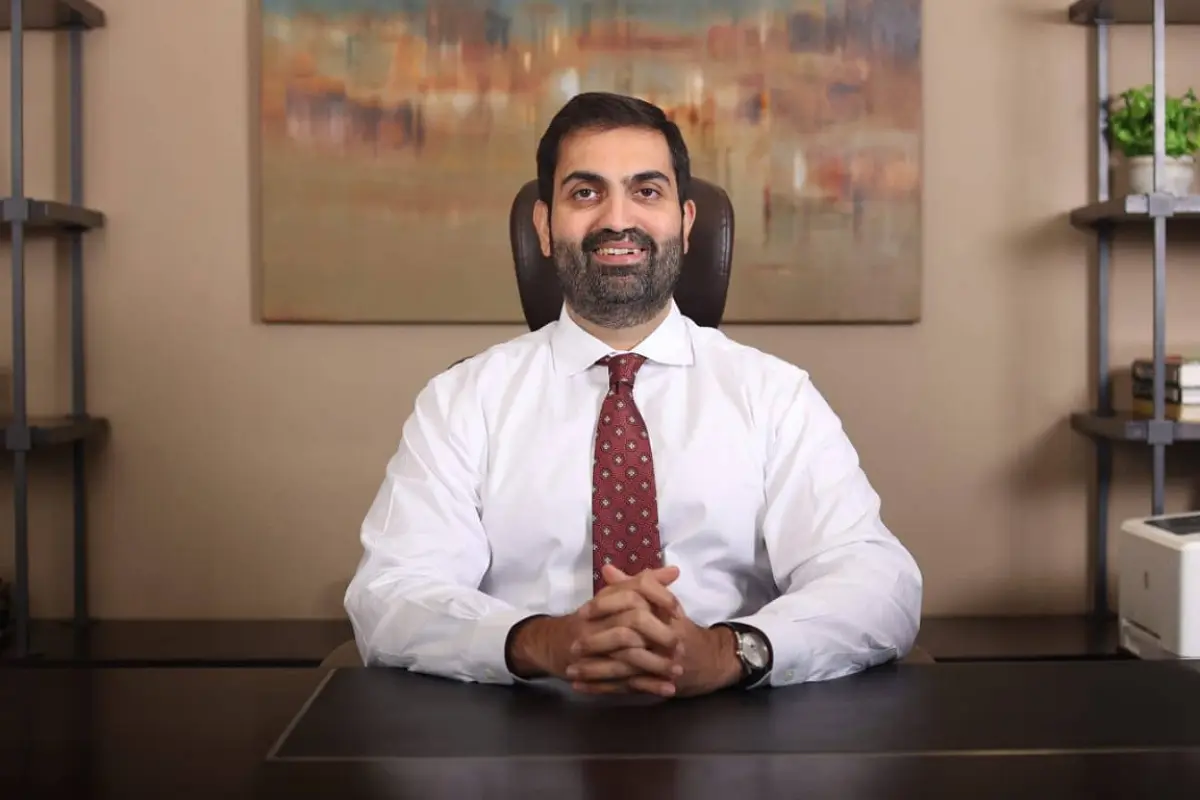
MUMBAI, May 28, 2026: Travel Food Services (TFS) has reported system-wide sales of Rs 32,144 million for FY26, a 25.4 per cent increase year-on-year, in its first full year as a listed company. The airport food, beverage and lounge operator expanded its presence to 20 airports during the year, added 76 new QSR outlets and two lounges, grew its brand portfolio to 145 concepts, and posted consolidated profit after tax of Rs 4,523 million, up 21.5 per cent on an adjusted basis. The board has recommended a final dividend of Rs 10.25 per share for FY26, subject to shareholder approval.
The results land against a backdrop that was not straightforward. Passenger traffic at TFS-managed airports grew just 1.2 per cent year-on-year for the full year FY26, dented by airline disruptions and the onset of Middle East conflict in early March 2026 which hit Q4 traffic momentum. That the company still delivered 25.4 per cent system-wide sales growth, with like-for-like growth of 9.4 per cent for the full year, says something about the quality of the underlying business beyond just traffic volume. Menu innovations, value combo offerings, premiumisation and new contract mobilisation did the heavy lifting that footfall alone was not delivering.
Travel Food Services FY26 Results, System-Wide Sales Hit Rs 32,144 Million Across 20 Airports and 518 Outlets
The network expansion during FY26 was the most operationally demanding aspect of the year. At the system-wide level, TFS moved from 18 airports in March 2025 to 20 airports in March 2026, with the addition of Cochin Airport Domestic Terminal 1 and the newly opened Navi Mumbai Airport. System-wide QSR outlets grew to 518, a net addition of 76 over the year, with new units commissioned across Mumbai, Delhi, Ahmedabad, Hyderabad, Navi Mumbai and Cochin. Lounges grew to 39 from 37, with a new lounge at Cochin Airport Domestic Terminal 1 and another at Hong Kong Airport, operated in partnership with SSP Asia Pacific and Airport Dimensions.
For Q4 FY26 specifically, system-wide sales reached Rs 8,954 million — up 27.7 per cent year-on-year. Consolidated sales for Q4 were Rs 4,607 million, up 25.7 per cent. Consolidated PAT for Q4 stood at Rs 1,226 million, reflecting a 15.1 per cent year-on-year increase, with PAT margins at 26.6 per cent. The full-year consolidated PAT margin of 27.4 per cent improved by 173 basis points over the adjusted FY25 figure of 25.7 per cent, a margin improvement at scale that reflects both operational discipline and the growing profit share from joint ventures.
Gordon Ramsay, Wagamama and Nando's Join a Brand Portfolio Now at 145 Concepts
The brand expansion story at TFS is as commercially significant as the financial numbers. The portfolio grew from 127 to 145 brands during FY26, with the addition of 18 new concepts including globally recognised names, Gordon Ramsay, Wagamama and Nando's, alongside new in-house creations such as Lucknow Streat. Each of those additions serves a different passenger demographic and a different meal occasion, and the combination of global brand recognition with locally developed concepts is the brand architecture of a company that understands the diversity of Indian airport travellers.
A Gordon Ramsay outlet at a major Indian airport is not a marketing exercise, it is a revenue driver that captures the aspirational premium segment that international travellers and domestic frequent flyers are increasingly willing to spend on during dwell time. Wagamama and Nando's serve adjacent but distinct audiences. Lucknow Streat anchors the domestic cultural food identity that no international brand can replicate. Getting all of them onto airport concourses and operating profitably at the same time is the execution challenge that TFS's airport QSR expertise makes possible.
Varun Kapur on What FY26 Delivered and Where the Headwinds Are
Varun Kapur, Managing Director and CEO of TFS, was honest about both the achievement and the uncertainty ahead.
"FY26 has been a landmark year for TFS, our first full year as a listed company that has been marked by strong financial performance, with system-wide sales growing 25.4% YoY and adjusted consolidated PAT growing 21.5% YoY. We continued to demonstrate our operational resilience, delivering steady performance despite the near-term challenges seen in Q4FY26. Crossing 550+ outlets, expanding to 20 airports, deepening our brand portfolio to 145 brands, and progressing on our EATS technology platform, reflect the breadth of our execution and the directions in which TFS is growing."
— Varun Kapur, Managing Director & CEO, Travel Food Services
On the specific airports that are scaling up and what is ahead at Noida, Kapur was direct.
"Operations at Cochin and Delhi Airports are scaling up well, Navi Mumbai is seeing the opening of new concepts, and we remain excited about our upcoming units at Noida Airport ahead of its commercial launch. The near-term environment carries its share of headwinds, the Middle East conflict, firming input costs, and temporary traffic disruptions have added some volatility. We are watching these developments carefully, navigating them with discipline, and responding with the operational execution that has defined our journey. Our conviction in India's long-term aviation growth story is unchanged. With a growing network, a strong brand portfolio, and new revenue streams taking shape, TFS enters this next phase from a position of strength."
— Varun Kapur, Managing Director & CEO, Travel Food Services
The reference to Noida Airport is the most forward-looking element of the FY26 announcement. The airport was formally inaugurated in March 2026 with construction and fit-out works progressing for a commercial operations launch in H1 FY27. TFS's presence there from launch positions it at one of India's most consequential new aviation infrastructure additions — a greenfield airport serving the National Capital Region that will route passenger traffic away from the capacity-constrained Delhi IGI over time.
EATS Technology Platform Integrates Bank Access With Lounge Services
TFS's wholly owned subsidiary EATS, Eliteassist Technology and Services Pvt. Ltd., is the less visible but strategically important growth story running alongside the physical network expansion. EATS has successfully deployed end-to-end integration with multiple banks and card networks to enable seamless bank-to-lounge access, a technology platform that effectively turns TFS's 39-lounge network into a connected benefit ecosystem for premium banking customers rather than just a walk-in hospitality product.
The commercial logic is clear. Banks and credit card companies want to offer lounge access as a premium card benefit. Lounge operators want a frictionless access mechanism that reduces queue times and improves data on guest profiles. EATS sits in the middle of that relationship, with TFS's lounge network as the underlying asset. The platform is actively expanding the scope of airport services it offers, which creates recurring revenue streams from financial services partners alongside the core food and beverage sales that form TFS's primary income base.
India's Long-Term Aviation Growth Story Remains the Foundation
The broader context for Travel Food Services' FY26 results is an Indian aviation market that is growing structurally despite episodic disruptions. Passenger volumes at Indian airports have been on a consistent long-term upward trajectory driven by rising middle-class incomes, expanding domestic route networks, the entry of new low-cost carriers and increasing outbound international travel. Each new airport in the TFS network, Cochin, Navi Mumbai, Noida ahead, represents a long-term revenue concession anchored to that structural growth. A company that can execute operationally at 20 airports while maintaining 27.4 per cent PAT margins is not just riding the aviation growth wave, it is managing the complexity of rapid network expansion without the margin erosion that typically accompanies it.