US Hotels Prepare for Massive Tourism Surge as FIFA World Cup 2026 Expected to Attract Millions of Global Football Fans
Hotels across the United States are preparing for a major tourism surge as millions of football fans are expected to travel to cities such as New York, Miami, Los Angeles, and Dallas for the FIFA World Cup 2026, creating significant opportunities for the hospitality industry.
 Pratyaksha Singh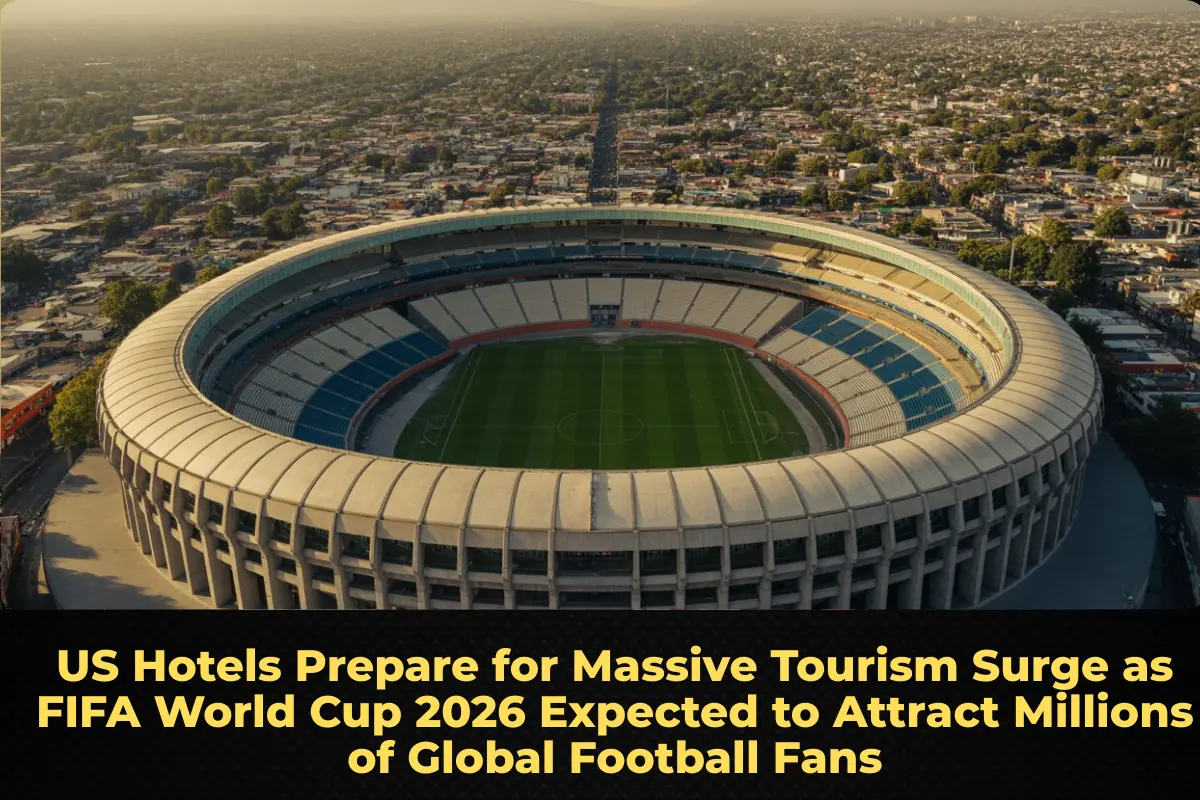
US Hotels Prepare for Massive Tourism Surge as FIFA World Cup 2026 Expected to Attract Millions of Global Football Fans
The global hospitality industry is preparing for one of the largest tourism events of the decade as the FIFA World Cup 2026 approaches. The tournament, which will be hosted across multiple cities in the United States along with Canada and Mexico, is expected to attract millions of international football fans. As anticipation grows, hotels across major American cities are preparing for an unprecedented influx of travelers seeking accommodation during the global sporting spectacle.
Tourism experts predict that the event will generate a powerful wave of international travel demand, with key host cities including New York, Miami, Los Angeles, and Dallas expected to experience significant increases in hotel bookings. The World Cup has historically been a major catalyst for tourism growth, and the 2026 edition is projected to set new records due to its expanded tournament format and broader global audience.
For the hospitality sector, the event represents a rare opportunity to showcase American destinations to millions of visitors while also generating substantial economic benefits through hotel stays, dining, entertainment, and related travel services.
The Global Significance of FIFA World Cup 2026
The FIFA World Cup is widely regarded as the most watched sporting event in the world, attracting billions of viewers and millions of traveling fans. The 2026 tournament is expected to be even larger than previous editions due to the expansion of participating teams and the multi-country hosting format.
With matches scheduled across numerous stadiums in North America, the United States will host a large share of the tournament's games. This includes matches in some of the country's largest and most internationally recognized cities, many of which already possess robust hospitality infrastructures capable of accommodating large visitor volumes.
The expanded tournament format will bring together more teams, more matches, and more international spectators than ever before. As a result, tourism authorities and hospitality organizations are already working to ensure that infrastructure, accommodation, and visitor services are prepared to handle the anticipated demand.
Major US Cities Expect Record Hotel Demand
Cities selected to host World Cup matches are preparing for a dramatic rise in visitor numbers during the tournament period. Among the most prominent destinations expected to experience high demand are New York, Miami, Los Angeles, and Dallas.
These metropolitan hubs are already major tourism centers, attracting millions of international travelers each year. However, the arrival of the World Cup is likely to significantly amplify travel flows as fans from around the world travel to watch matches and participate in associated fan events.
Hotels in these cities are forecasting extremely high occupancy rates, with many properties expected to reach full capacity during key match periods. Hospitality companies are already beginning strategic planning to accommodate this surge through pricing strategies, staffing preparation, and operational readiness.
Luxury hotels, boutique properties, and budget accommodations alike are expected to benefit from the surge in tourism demand, as visitors seek a wide range of lodging options based on their travel preferences and budgets.
Economic Opportunities for the Hospitality Sector
The economic impact of the World Cup on the hospitality sector is expected to be substantial. Hotel revenue typically rises sharply during global sporting events due to increased demand, longer stays, and higher room rates.
In addition to room bookings, hotels often benefit from increased spending on restaurants, bars, event spaces, and other on-site services. Visitors attending the tournament frequently extend their stays to explore host cities and nearby attractions, further increasing tourism-related spending.
Local economies also benefit through job creation, increased transportation activity, retail sales, and entertainment experiences. Hospitality businesses ranging from hotels and restaurants to tour operators and event organizers are likely to experience strong demand throughout the tournament period.
For many destinations, hosting World Cup matches provides a long-term tourism boost as international visitors discover new destinations and return for future travel.
Strategic Preparation by Hotel Operators
Hotel operators across the United States are already implementing strategies to prepare for the anticipated surge in demand. These preparations involve a wide range of operational planning activities designed to ensure smooth service delivery during the busy tournament period.
Staff training is a key component of these preparations. Hotels expect to welcome guests from diverse cultural backgrounds and languages, making guest service training particularly important. Hospitality professionals are being encouraged to develop strong communication skills and cultural awareness to ensure positive guest experiences.
Technology investments are also playing a role in preparations. Many hotels are enhancing their digital infrastructure to streamline booking processes, check-in procedures, and guest services. Mobile applications, automated systems, and digital concierge services are expected to help hotels manage high volumes of visitors efficiently.
Additionally, hotels are reviewing their supply chains, food and beverage operations, and housekeeping schedules to ensure that service standards remain consistent despite increased demand.
Sports Tourism Driving Global Travel Trends
Sports tourism has become one of the fastest-growing segments within the global travel industry. Major international tournaments such as the FIFA World Cup attract travelers who are eager to combine their passion for sports with exploration of new destinations.
Fans traveling for sporting events often spend several days or weeks in host cities, attending matches, visiting fan zones, and participating in cultural activities. This creates significant opportunities for hotels, restaurants, and local tourism operators.
The 2026 World Cup is expected to further accelerate this trend by drawing visitors from every continent. The global appeal of football ensures that supporters from diverse cultures will converge in host cities, creating a vibrant atmosphere that extends far beyond the stadiums.
For tourism authorities, sports tourism events provide a platform to promote destinations to international audiences and strengthen global travel connections.
Infrastructure and Hospitality Readiness
Preparing for a global event of this magnitude requires extensive coordination between tourism authorities, city governments, and private sector stakeholders. Infrastructure improvements are already underway in several host cities to ensure that transportation networks, accommodation capacity, and visitor services can handle the expected influx of travelers.
Airports, public transportation systems, and major event venues are undergoing upgrades designed to improve efficiency and accessibility. These improvements will benefit not only World Cup visitors but also local residents and future tourists.
Hotels are collaborating with local tourism boards and event organizers to coordinate accommodation availability, transportation logistics, and visitor information services. This collaboration is essential for ensuring that guests have a seamless travel experience during the tournament.
Large events like the World Cup often act as catalysts for infrastructure development that continues to benefit destinations long after the tournament concludes.
Opportunities for Luxury and Lifestyle Hotels
The World Cup is expected to attract a wide range of travelers, including sports enthusiasts, international media representatives, corporate sponsors, and VIP guests. Luxury and lifestyle hotels are particularly well positioned to capture high-value segments of this market.
Many luxury properties are developing exclusive packages designed specifically for World Cup visitors. These packages may include premium accommodation, transportation to stadiums, private viewing experiences, and curated city tours.
Boutique hotels and lifestyle brands are also leveraging the event to create unique guest experiences that reflect the cultural energy of the tournament. The festive atmosphere surrounding the World Cup presents opportunities for themed events, special menus, and fan gatherings.
By creating memorable experiences for guests, hotels can strengthen brand loyalty and generate long-term relationships with international travelers.
Local Tourism Experiences and Extended Travel
One of the key advantages for host cities is the opportunity to showcase local attractions to international visitors. Many football fans traveling for the tournament are expected to extend their trips beyond match days in order to explore nearby destinations.
Cities such as New York, Miami, Los Angeles, and Dallas offer a wide range of attractions including cultural landmarks, entertainment districts, beaches, museums, and culinary experiences. Tourism boards are actively promoting these attractions to encourage visitors to spend more time in host destinations.
Hotels are collaborating with tour operators to offer customized travel packages that combine match attendance with local sightseeing experiences. These packages provide convenient options for visitors while helping local tourism businesses benefit from the influx of travelers.
Extended stays can significantly increase economic impact by generating additional spending across multiple sectors of the local economy.
Hospitality Workforce Demand During the Tournament
Large-scale events such as the World Cup often require temporary increases in hospitality workforce capacity. Hotels and restaurants may recruit additional staff to manage higher occupancy levels and increased guest activity.
This surge in employment opportunities can provide valuable work experience for hospitality professionals, students, and part-time workers. Training programs and recruitment initiatives are already being discussed in several host cities to ensure that the industry has sufficient skilled personnel during the tournament.
Hospitality organizations are also emphasizing service excellence, recognizing that visitor impressions during the event will influence the global reputation of host destinations.
By delivering exceptional service experiences, hotels can help create positive memories for travelers visiting the United States for the tournament.
Long-Term Tourism Benefits for the United States
While the immediate impact of the World Cup will be visible through increased hotel bookings and tourism spending, the long-term benefits may be even more significant. Major sporting events often enhance the international visibility of host destinations, encouraging future tourism growth.
Visitors who travel for the tournament may return in later years for leisure travel, business trips, or additional sporting events. Positive travel experiences can transform first-time visitors into repeat travelers and enthusiastic ambassadors for the destination.
The global media coverage surrounding the World Cup will also showcase American cities to billions of viewers worldwide. This exposure can inspire potential travelers to explore these destinations in the future.
For the hospitality industry, the event represents not only a short-term business opportunity but also a long-term investment in destination branding.
Conclusion
The upcoming FIFA World Cup 2026 is expected to deliver one of the most significant tourism surges in recent history. As millions of football fans prepare to travel to the United States, hotels across major host cities are gearing up for an extraordinary period of demand and opportunity.
Through strategic planning, infrastructure improvements, and enhanced guest services, the hospitality sector aims to ensure that visitors enjoy memorable and seamless travel experiences during the tournament.
The event will not only drive immediate economic growth but also strengthen the global reputation of American destinations as vibrant tourism hubs. For the hospitality industry, the World Cup represents a unique opportunity to demonstrate service excellence on a global stage while welcoming fans from around the world.
As the countdown to 2026 continues, hotels, tourism authorities, and travel organizations are working collaboratively to prepare for a historic celebration of sport, travel, and global cultural exchange.