Keio Plaza Hotel Showcases Kagurazaka Geisha Dance in Shinjuku to Elevate Cultural Hospitality Experience
Keio Plaza Hotel in Tokyo introduces Kagurazaka geisha dance performances in Shinjuku, enhancing cultural experiences for guests and strengthening Japan’s hospitality appeal.
 Pratyaksha Singh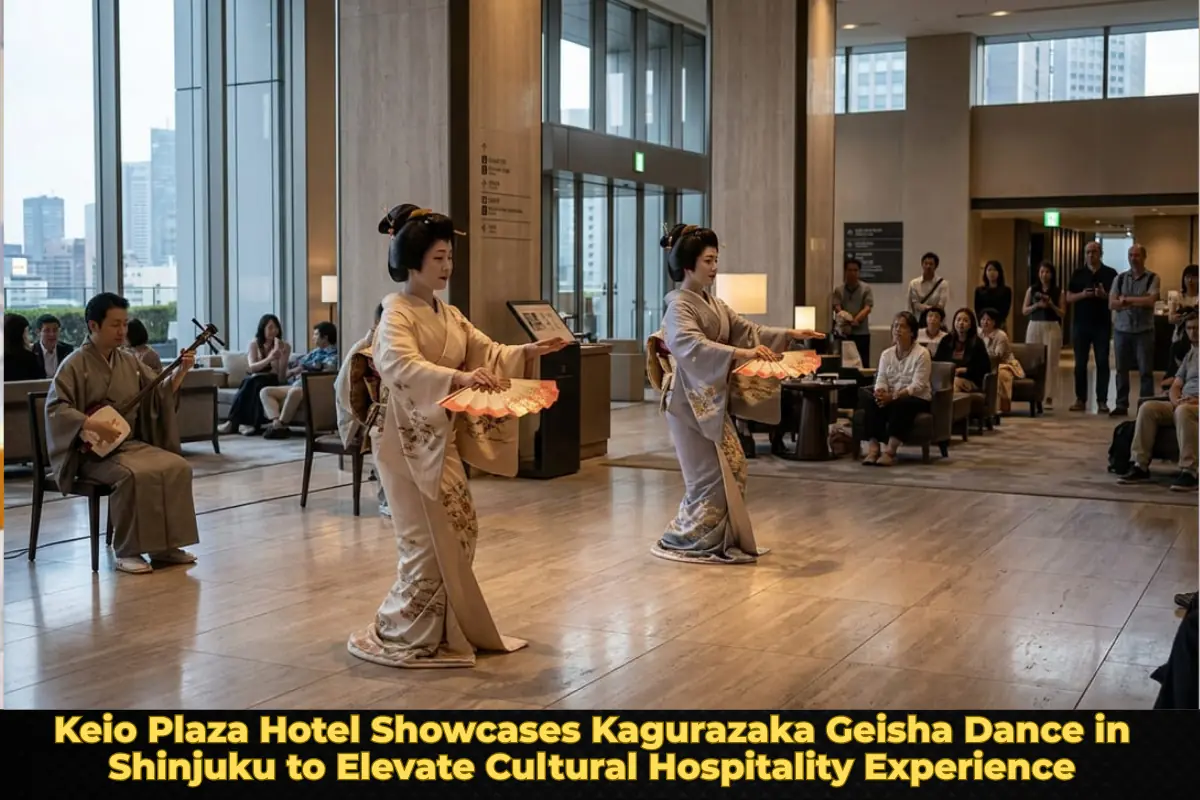
Keio Plaza Hotel Showcases Kagurazaka Geisha Dance in Shinjuku to Elevate Cultural Hospitality Experience
Keio Plaza Hotel in Tokyo has introduced traditional Kagurazaka geisha dance performances at its property in Shinjuku in March 2026, aiming to offer guests an authentic cultural experience while strengthening Japan’s position as a destination for immersive hospitality. The initiative brings the historic art form from the Kagurazaka district to one of Tokyo’s busiest commercial hubs, targeting both international and domestic travelers seeking deeper cultural engagement.
The program reflects a broader trend within the hospitality sector, where hotels are increasingly integrating local cultural elements into their offerings to enhance guest experiences and differentiate themselves in a competitive market. By hosting geisha dance performances on-site, Keio Plaza Hotel is bridging traditional Japanese heritage with modern urban hospitality.
Reviving Traditional Arts in a Modern Setting
The Kagurazaka district, known for its preserved geisha culture and historic charm, has long been associated with traditional Japanese performing arts. By bringing these performances to Shinjuku, Keio Plaza Hotel is making this cultural heritage more accessible to a wider audience, particularly tourists who may not have the opportunity to visit Kagurazaka.
The geisha dance performances showcase refined movements, traditional music, and elaborate costumes, offering guests a glimpse into Japan’s artistic traditions. This initiative not only preserves cultural heritage but also introduces it to new generations of travelers.
Hotel representatives noted that the program is designed to provide an educational and entertaining experience, allowing guests to gain a deeper understanding of Japan’s cultural identity.
Enhancing Guest Experience Through Cultural Integration
Incorporating cultural performances into hotel offerings has become an effective strategy for enhancing guest satisfaction. Travelers are increasingly seeking experiences that go beyond standard accommodation, favoring activities that connect them with local traditions and communities.
Keio Plaza Hotel’s initiative aligns with this shift, offering guests a unique value proposition that combines comfort with cultural enrichment. The performances are expected to appeal to a diverse audience, including international visitors, business travelers, and local residents.
By creating opportunities for cultural engagement within the hotel environment, the property aims to extend the guest experience beyond conventional services.
Strengthening Japan’s Cultural Tourism Appeal
Japan has long been recognized for its rich cultural heritage, which plays a significant role in attracting tourists from around the world. Initiatives such as the geisha dance program contribute to the country’s broader efforts to promote cultural tourism and diversify its offerings.
Tokyo, as a global city, serves as a gateway for international travelers. By introducing traditional performances in a central location like Shinjuku, Keio Plaza Hotel is supporting the promotion of Japanese culture on an international stage.
The integration of cultural experiences into urban hospitality settings also helps distribute tourism benefits more evenly across different parts of the city.
Adapting to Changing Traveler Preferences
The hospitality industry is undergoing a transformation as traveler preferences evolve. Guests are increasingly prioritizing authenticity, personalization, and meaningful experiences during their stays. Hotels are responding by curating activities that reflect local culture and traditions.
Keio Plaza Hotel’s geisha dance program is an example of how properties can adapt to these changing expectations. By offering culturally immersive experiences, the hotel is positioning itself as a destination in its own right rather than just a place to stay.
This approach is particularly relevant in competitive markets like Tokyo, where differentiation is essential for attracting and retaining guests.
Operational and Cultural Considerations
Hosting traditional performances within a hotel setting requires careful planning and collaboration with cultural practitioners. Ensuring authenticity and respect for the art form is critical to the success of such initiatives.
Keio Plaza Hotel has worked closely with performers from the Kagurazaka area to maintain the integrity of the geisha tradition while adapting it for a contemporary audience. This collaboration highlights the importance of partnerships between the hospitality sector and cultural communities.
The program also involves logistical considerations, including scheduling, space allocation, and audience engagement, all of which are managed to deliver a seamless experience for guests.
Competitive Landscape in Experiential Hospitality
The introduction of cultural programming reflects a growing trend in experiential hospitality, where hotels compete by offering unique and memorable experiences. Properties worldwide are incorporating local art, cuisine, and traditions into their services to stand out in the market.
In Japan, where cultural heritage is a key attraction, hotels have a significant opportunity to leverage traditional arts as part of their offerings. Keio Plaza Hotel’s initiative demonstrates how cultural integration can enhance brand identity and attract a broader customer base.
As competition intensifies, the ability to deliver authentic and high-quality experiences will be a key differentiator for hospitality providers.
Economic and Tourism Impact
Cultural initiatives within hotels can have a positive economic impact by supporting local artists and promoting cultural industries. By providing a platform for geisha performers, Keio Plaza Hotel is contributing to the sustainability of traditional arts.
Such programs also encourage longer stays and increased spending by guests, as they add value to the overall travel experience. This can benefit not only the hotel but also the wider tourism ecosystem.
The integration of cultural experiences into hospitality offerings is expected to play a growing role in driving tourism revenue and enhancing destination appeal.
Future Outlook
Looking ahead, Keio Plaza Hotel may expand its cultural programming to include additional performances and activities, further enriching the guest experience. The success of the geisha dance initiative could serve as a model for other hotels seeking to incorporate cultural elements into their offerings.
The trend toward experiential hospitality is likely to continue, with hotels exploring new ways to engage guests and create memorable stays. Cultural integration will remain a key component of this strategy, particularly in destinations with rich heritage.
As the hospitality industry evolves, initiatives that combine tradition with modernity are expected to gain prominence, offering travelers a more holistic and meaningful experience.
Keio Plaza Hotel’s introduction of Kagurazaka geisha dance performances in Shinjuku marks a strategic effort to enhance cultural hospitality and strengthen Japan’s appeal as a global tourism destination.