Meliá Hotels International Enters Tunisia with 3,000-Room Expansion Plan
Meliá Hotels International announces entry into Tunisia with a 3,000-room expansion plan, strengthening its presence in North Africa’s growing tourism market.
 Pratyaksha Singh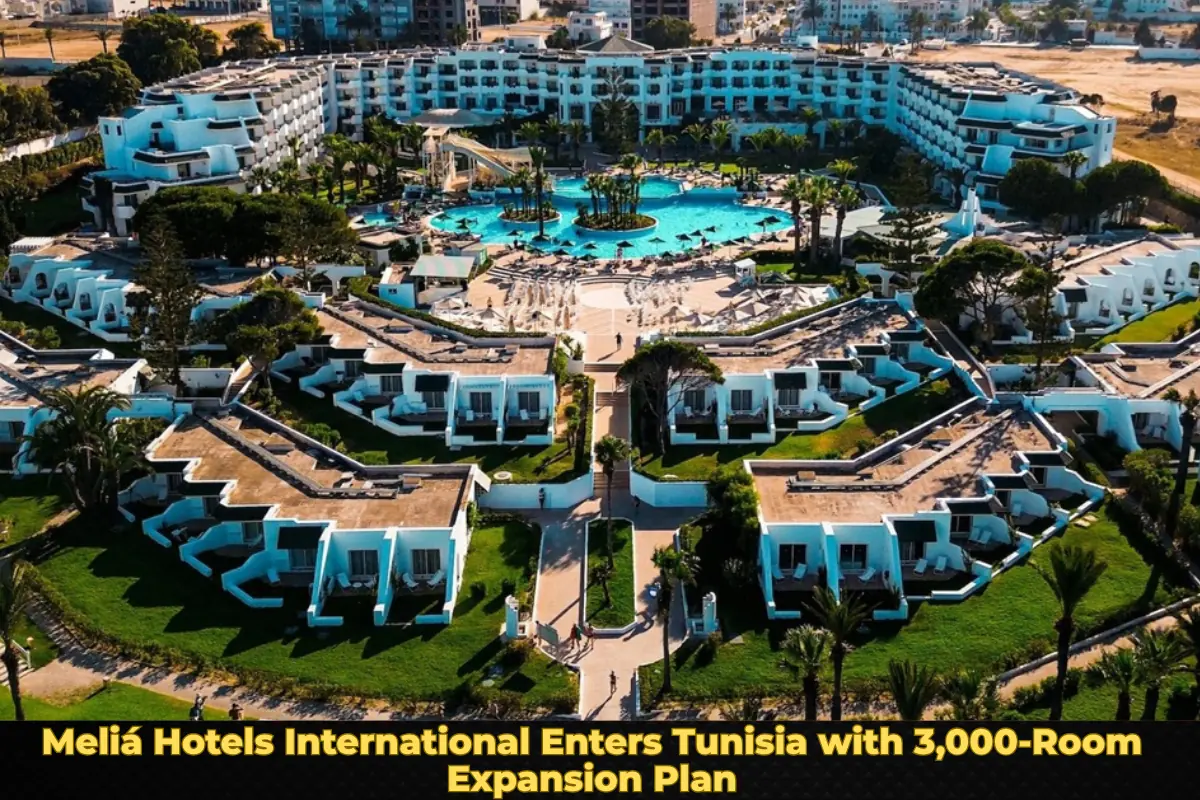
Meliá Hotels International Enters Tunisia with 3,000-Room Expansion Plan
Meliá Hotels International has announced its entry into Tunisia with an ambitious plan to develop approximately 3,000 hotel rooms, marking a significant expansion into North Africa in 2026 as the company seeks to capitalize on the region’s growing tourism potential and strengthen its global footprint.
The Spanish hospitality group revealed that the expansion will include multiple properties across key destinations in Tunisia, targeting both leisure and business travelers. The move comes as Tunisia continues to position itself as an emerging tourism hub, attracting increasing interest from international hotel operators and investors.
Strategic Expansion into North Africa
The decision to enter Tunisia reflects Meliá Hotels International’s broader strategy of expanding into high-growth markets with strong tourism fundamentals. North Africa has been gaining traction as a destination for international travelers, driven by its cultural heritage, coastal attractions, and improving infrastructure.
By establishing a presence in Tunisia, Meliá aims to diversify its geographic portfolio and tap into new demand streams. The expansion aligns with the company’s focus on regions that offer long-term growth potential and opportunities for brand positioning.
The initiative also underscores the increasing importance of Africa in global hospitality investment strategies.
Details of the 3,000-Room Pipeline
The expansion plan involves the development of multiple hotel properties collectively offering around 3,000 rooms. These projects are expected to span various segments, including upscale resorts, urban hotels, and potentially lifestyle-oriented properties designed to cater to evolving traveler preferences.
The phased rollout of these developments will allow the company to adapt to market conditions while ensuring operational efficiency. The properties are likely to be located in key tourist and commercial hubs, maximizing accessibility and demand.
This large-scale pipeline positions Meliá as a major player in Tunisia’s hospitality sector.
Boost to Tunisia’s Tourism Sector
The entry of an international hotel group of Meliá’s scale is expected to provide a significant boost to Tunisia’s tourism industry. The development of new hotels can enhance accommodation capacity, improve service standards, and attract a broader range of international visitors.
Tunisia has been working to revive and strengthen its tourism sector, which plays a crucial role in the country’s economy. Investments in hospitality infrastructure are seen as essential to supporting this growth and increasing competitiveness on the global stage.
The addition of globally recognized brands can also improve the destination’s visibility and appeal.
Focus on Leisure and Resort Offerings
Given Tunisia’s strong appeal as a leisure destination, a significant portion of the planned developments is expected to focus on resort-style properties. Coastal areas and popular tourist regions are likely to be key locations for these projects, offering beachfront experiences and recreational amenities.
Resort developments can cater to both international tourists and domestic travelers, contributing to year-round occupancy. The emphasis on leisure aligns with global travel trends where experiential and relaxation-focused stays are in high demand.
This approach allows Meliá to leverage its expertise in resort operations.
Opportunities in Business and Urban Hospitality
In addition to leisure properties, the expansion plan may include urban hotels aimed at business travelers and corporate clients. Tunisia’s growing economic activities and increasing connectivity make it a viable market for business hospitality.
Urban hotels can support conferences, meetings, and events, further strengthening the country’s position as a regional business destination. The integration of modern facilities and services will be key to attracting this segment.
This balanced portfolio approach enhances revenue diversification.
Partnerships and Investment Model
Meliá Hotels International is expected to collaborate with local partners and investors to execute the expansion plan. Such partnerships are common in international hotel development, allowing companies to leverage local expertise and navigate regulatory environments effectively.
The use of management agreements or franchise models may also play a role in the development strategy, enabling rapid expansion while maintaining brand standards. These models provide flexibility and scalability in entering new markets.
Collaboration is likely to be a key driver of successful implementation.
Economic and Employment Impact
The development of 3,000 hotel rooms is expected to generate significant economic benefits for Tunisia. Construction activities will create jobs and stimulate related industries such as design, materials supply, and logistics.
Once operational, the hotels will provide employment opportunities in areas including hospitality services, management, and maintenance. Increased tourism activity can also benefit local businesses, from transportation to retail and dining.
The expansion contributes to broader economic development goals.
Rising Competition in the Region
The move by Meliá comes amid growing competition among international hotel operators in North Africa. As destinations like Tunisia gain prominence, major brands are seeking to establish or expand their presence to capture market share.
This competitive environment is expected to drive improvements in quality, service, and innovation across the sector. Travelers stand to benefit from a wider range of options and enhanced experiences.
The entry of new players also raises the bar for existing operators.
Challenges and Market Considerations
While the expansion presents significant opportunities, it also comes with challenges, including market volatility, regulatory complexities, and the need for infrastructure development. Ensuring consistent quality and service across multiple properties will be critical for long-term success.
Economic conditions and geopolitical factors may also influence tourism demand, requiring flexible strategies and risk management. However, the long-term outlook for Tunisia remains positive, supported by ongoing investments and policy initiatives.
Careful planning and execution will be essential to achieving the desired outcomes.
Alignment with Global Growth Strategy
The Tunisia expansion is part of Meliá Hotels International’s broader global growth strategy, which focuses on expanding in high-potential markets while strengthening its brand portfolio. The company has been actively pursuing opportunities in emerging destinations to diversify its presence.
By entering Tunisia, Meliá is reinforcing its commitment to international growth and positioning itself to benefit from evolving travel patterns. The move complements its existing operations in Europe, the Middle East, and other regions.
This strategic alignment supports long-term sustainability and competitiveness.
Future Outlook
Looking ahead, the success of the 3,000-room expansion will depend on execution, market conditions, and the ability to attract consistent demand. If successful, the initiative could pave the way for further investments in Tunisia and the wider North African region.
The development also signals growing confidence among global hospitality players in the region’s potential. Continued investment in infrastructure, marketing, and policy support will be crucial in sustaining this momentum.
The expansion positions Tunisia as an increasingly important destination in the global tourism landscape.
Conclusion
Meliá Hotels International’s entry into Tunisia with a 3,000-room expansion plan highlights the country’s rising appeal as a tourism destination and reflects the company’s strategy to expand into high-growth markets, with development set to unfold in the coming years.