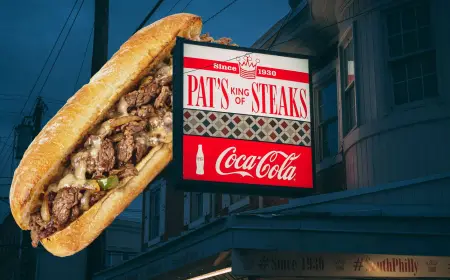
90-Year-Old Restaurant Chain Announces Closures Across Multiple Locations Amid Industry Pressures
A restaurant chain with over 90 years of history is closing multiple locations, reflecting ongoing operational and market challenges in the foodservice sector.
 Prajakta Sanjay Warwadkar
A restaurant chain with a history spanning more than 90 years has announced the closure of multiple locations in 2026, signaling continued pressure on legacy brands operating in a rapidly evolving foodservice market. The development reflects broader structural challenges affecting long-established restaurant operators across the United States.
The closures come as the chain reassesses its operational footprint amid changing consumer behavior, rising costs, and increased competition. While specific locations and the total number of shutdowns were not fully detailed, the move underscores a strategic shift toward consolidation and cost management.
Closure Decision and Operational Impact
The decision to close several outlets forms part of a broader effort to streamline operations and improve overall business performance. Restaurant chains with extensive histories often maintain large networks of locations, some of which may underperform due to shifting market conditions or demographic changes.
Reducing the number of operating units allows companies to focus resources on higher-performing locations while addressing inefficiencies within their portfolios. However, closures can also lead to immediate impacts on employees, local supply chains, and customer access.
The announcement highlights the ongoing need for legacy brands to adapt their operational models in response to both internal and external pressures.
Industry Pressures on Legacy Brands
The restaurant industry in the United States continues to face multiple challenges, including rising input costs, labor shortages, and evolving consumer preferences. Long-established chains, in particular, must balance maintaining brand identity with adapting to new dining trends.
Increased competition from fast-casual concepts, independent operators, and delivery-focused businesses has intensified pressure on traditional restaurant formats. Customers are also demonstrating greater sensitivity to pricing and value, influencing traffic and spending patterns.
These factors collectively contribute to a more complex operating environment, where even well-known brands with decades of history must make difficult strategic decisions.
Shifting Consumer Behavior
Changes in consumer behavior have played a significant role in shaping the current landscape. Diners are increasingly prioritizing convenience, digital ordering, and diverse menu options, often favoring newer concepts that align with these preferences.
Traditional restaurant chains may face challenges in meeting these expectations, particularly if their formats are rooted in older service models. As a result, some operators are restructuring their businesses, which can include closing underperforming locations or investing in modernization efforts.
The closures reflect an attempt to align operations more closely with current demand patterns and customer expectations.
Strategic Realignment and Cost Management
Cost pressures remain a key driver behind the decision to close locations. Rising expenses related to food supplies, labor, and utilities have impacted profitability across the sector, prompting companies to reassess their cost structures.
By reducing their physical footprint, restaurant chains can lower fixed costs and redirect investments toward areas such as technology, menu development, and customer experience. This approach is increasingly common among operators seeking to remain competitive in a challenging market.
Strategic realignment may also involve renegotiating leases, optimizing supply chains, and enhancing operational efficiency at remaining locations.
Broader Industry Context
The closure of locations by a long-standing restaurant chain reflects a wider trend within the hospitality industry, where operators are adapting to ongoing economic and structural changes. Similar actions have been observed across various segments, from casual dining to quick-service restaurants.
Industry analysts note that consolidation and restructuring are becoming more prevalent as businesses seek to navigate uncertainty and maintain financial stability. While closures can be a sign of difficulty, they are also part of broader efforts to reposition brands for long-term sustainability.
The situation underscores the importance of flexibility and innovation in responding to evolving market dynamics, particularly for legacy operators with established footprints.
Conclusion
The decision by a more than 90-year-old restaurant chain to close multiple locations highlights the ongoing challenges facing the foodservice industry. As operators continue to adapt to changing consumer preferences and economic pressures, strategic adjustments such as consolidation are likely to remain a key feature of the sector’s evolution.