Abuse Allegations Renew Scrutiny on Restaurant Work Culture Following Noma Controversy
Allegations of abuse linked to Noma have reignited concerns about toxic work culture in the global restaurant industry, prompting calls for reform.
 Prajakta Sanjay Warwadkar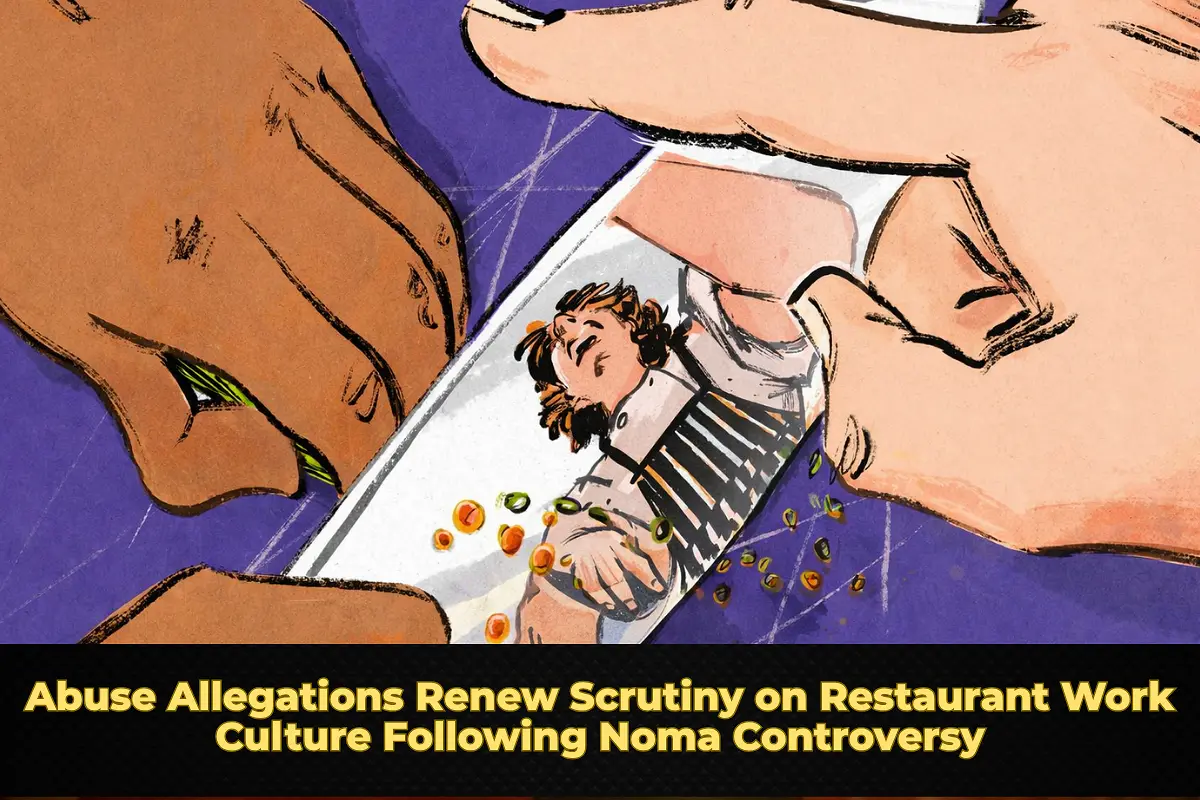
Abuse Allegations Renew Scrutiny on Restaurant Work Culture Following Noma Controversy
Fresh allegations of workplace abuse associated with the globally renowned restaurant Noma have reignited debate over toxic work culture in the hospitality industry, drawing attention in March 2026 to longstanding concerns about labor conditions, leadership practices, and employee welfare in high-end kitchens.
The controversy has prompted industry professionals, former employees, and commentators to reexamine the pressures and practices that have historically defined elite restaurant environments. The renewed scrutiny comes at a time when the global hospitality sector is already navigating workforce shortages, rising costs, and evolving employee expectations.
Allegations Spark Industry Debate
The latest discussion stems from claims that highlight problematic workplace behaviors, including excessive pressure, poor treatment of staff, and a culture that prioritizes performance over well-being. While such concerns have surfaced periodically in the past, the association with a high-profile establishment has amplified the conversation.
Industry observers note that the issue is not confined to a single restaurant but reflects systemic challenges within fine dining, where demanding standards and long hours have often been normalized. The allegations have once again raised questions about whether such practices are necessary for maintaining culinary excellence.
The situation has also encouraged current and former hospitality workers to share their experiences, contributing to a broader dialogue about working conditions across the sector.
Historical Context of Kitchen Culture
Professional kitchens have long been characterized by hierarchical structures, intense workloads, and high expectations. Traditionally, these environments have been shaped by a culture that values discipline, precision, and resilience, often at the expense of work-life balance.
Critics argue that this model has enabled unhealthy dynamics to persist, including verbal aggression, burnout, and limited support for mental health. While many chefs and operators have worked to modernize their approaches, progress has been uneven across the industry.
The current controversy has highlighted the need to reassess these longstanding norms and consider more sustainable models of operation.
Changing Workforce Expectations
The hospitality industry is undergoing a shift as newer generations of workers place greater emphasis on well-being, fair treatment, and professional development. Employees are increasingly seeking workplaces that offer supportive environments alongside opportunities for growth.
In this context, allegations of toxic culture can have significant repercussions for recruitment and retention. Restaurants that fail to adapt may struggle to attract talent, particularly as alternative career paths become more appealing to skilled workers.
Operators are being urged to align their practices with evolving expectations to remain competitive in a changing labor market.
Impact on Brand Reputation
High-profile controversies can have a direct impact on a restaurant’s reputation, influencing public perception and customer behavior. In an era of digital communication and social media, such issues can quickly gain visibility and shape narratives around a brand.
For globally recognized establishments, maintaining a positive image is critical not only for customer engagement but also for partnerships, awards, and overall market positioning. Allegations related to workplace culture can undermine these aspects if not addressed effectively.
The situation underscores the importance of transparency and accountability in managing reputational risks.
Calls for Industry Reform
The renewed attention on workplace culture has led to calls for systemic reform within the hospitality sector. Advocates are pushing for clearer labor standards, better enforcement of existing regulations, and increased awareness of employee rights.
Some industry leaders have also emphasized the need for internal changes, including improved management training, structured working hours, and stronger support systems for staff. These measures are seen as essential for creating healthier and more sustainable work environments.
The debate has also extended to culinary education, with discussions حول how training programs can promote positive workplace practices from the outset.
Role of Leadership in Driving Change
Leadership plays a crucial role in shaping workplace culture within restaurants. Chefs and managers set the tone for operations, influencing how teams interact and perform under pressure.
Experts suggest that adopting a more collaborative and empathetic leadership style can help address many of the issues highlighted by recent allegations. By prioritizing communication, respect, and inclusivity, leaders can foster environments that support both performance and well-being.
Such approaches are increasingly being recognized as essential components of modern hospitality management.
Balancing Excellence and Well-Being
One of the central challenges facing the industry is balancing the pursuit of culinary excellence with the need to ensure fair and supportive working conditions. High standards are integral to fine dining, but they must be achieved without compromising employee welfare.
Innovations in kitchen operations, such as streamlined workflows and better resource management, may help reduce pressure on staff while maintaining quality. Additionally, fostering a culture of respect and recognition can enhance team morale and productivity.
The ongoing debate highlights the importance of redefining success in a way that encompasses both quality and sustainability.
Global Implications for Hospitality
The issues raised by the Noma controversy have implications beyond a single establishment, resonating across the global hospitality industry. As consumers and employees become more conscious of ethical practices, restaurants are under increasing pressure to demonstrate responsible management.
This shift is likely to influence industry standards, encouraging more businesses to adopt policies that prioritize employee welfare. In turn, this could lead to a broader transformation in how hospitality operations are structured and managed.
The conversation also reflects a growing recognition that long-term success depends on the well-being of those who contribute to it.
Future Outlook
Moving forward, the industry is expected to continue grappling with questions حول workplace culture and labor practices. While progress has been made in some areas, sustained effort will be required to address deeply rooted challenges.
Stakeholders, including operators, employees, and policymakers, are likely to play a role in shaping the next phase of reform. Collaborative approaches that involve all parties may prove most effective in driving meaningful change.
The outcome of these efforts will be closely watched as the hospitality sector evolves in response to shifting expectations.
Conclusion
The renewed scrutiny following abuse allegations linked to Noma has intensified calls for change within the restaurant industry, as stakeholders seek to address longstanding issues and create more sustainable and equitable working environments.