AI Restaurant Revolution: How Marc Lore is Enabling Virtual Eateries in Under a Minute
Explore the AI restaurant revolution led by Marc Lore. Learn how new technology allows entrepreneurs to launch a virtual restaurant in under a minute with Wonder.
 Prajakta Sanjay Warwadkar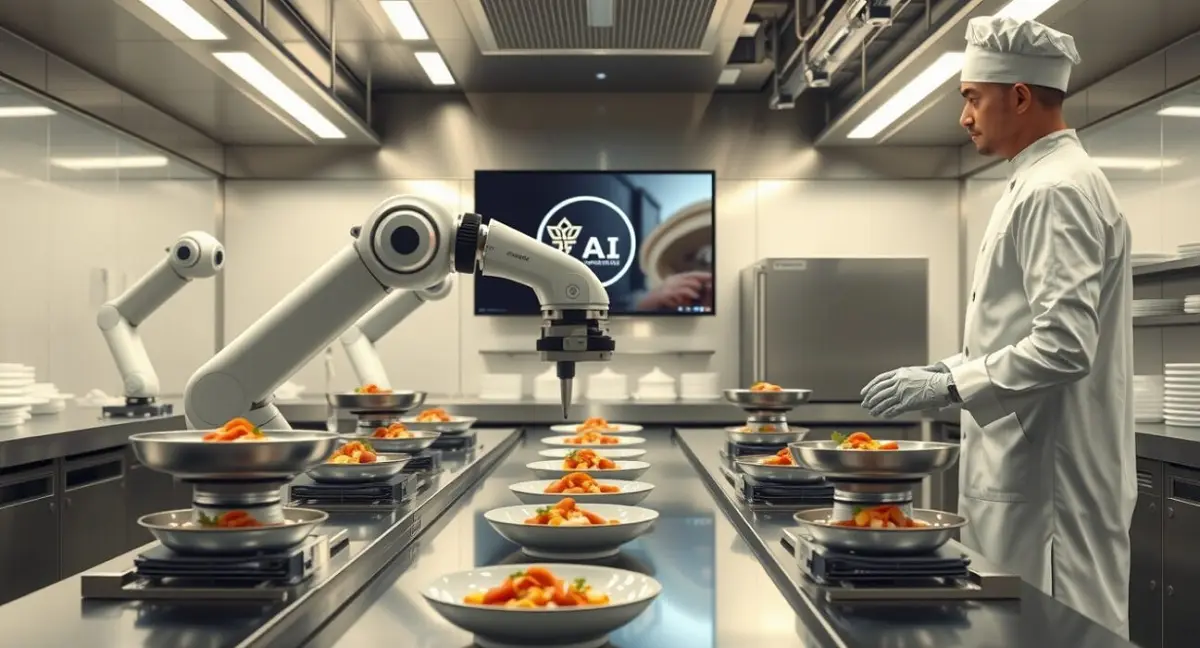
AI Restaurant Revolution: Marc Lore Reveals How Anyone Can Open a Virtual Restaurant in Under a Minute
Talk in the kitchens is getting louder about the AI restaurant push—and just turned up the heat. The Wonder founder says anyone can spin up a virtual food brand in under 60 seconds. No lease. No buildout. Just plug in and go.
This isn’t theory anymore. The AI restaurant model is landing on the line in real time. Lore is betting on automation, tight logistics, and chef-backed menus to keep standards high while cutting the usual startup clutter.
And here’s the shift: what used to take months—permits, contractors, cash burn—now runs through a dashboard. Fast. Cheap. And wide open to anyone with a concept.
The Visionary Behind the AI Restaurant Concept
AI Restaurant concept has a track record of flipping big industries. First e-commerce. Now food. His company, Wonder, is pushing hard into the AI restaurant play, aiming straight at delivery and production.
From Mobile Kitchens to Digital Fronts
He started with mobile kitchens. Now it’s a tight, data-driven system built around “fast-fine” food. Central kitchens handle the heavy lifting while AI tracks demand and trims waste.
The system reads neighborhoods like a seasoned operator. It tweaks menus based on local orders. That kind of precision used to be out of reach for small players. Not anymore.
Launching a Virtual Brand in Under Sixty Seconds
The headline grab—launch in under a minute—isn’t hype. The backend is already wired. Supply chains, recipes, marketing—preloaded. The user just names the brand and hits go.
Simplifying the Complex World of Hospitality
Opening a restaurant used to mean paperwork, compliance, staffing headaches. The AI restaurant system handles that in the background. It builds listings, connects to delivery apps, and routes orders to ghost kitchens.
And that’s why this model is gaining traction in 2026. Lower risk. Faster turnaround. More shots on goal for new operators.
The Technological Backbone of Modern Eateries
Under the hood, the AI restaurant runs on predictive systems. Not just timers—full models that track heat, freshness, and delivery timing down to seconds.
Automation in the Kitchen
Lore’s pitch is simple: machines take the grind work. Humans handle flavor. In this setup, chefs focus on recipes, not fryer duty.
Automation isn’t new. But it’s moving fast from factory floors into kitchens. And it’s getting sharper.
Economic Impacts of the AI Restaurant Model
Margins have always been tight in this business. Rent and labor eat everything. The AI restaurant model cuts both by sharing space and streamlining staff.
Scalability and Global Reach
This is where it gets serious. A brand that works in New York can be cloned in London overnight. No buildout delays. No site hunt.
And the data? Every order feeds back into the system. Sharper menus. Better pricing. Faster adjustments.
Consumer Trends Driving the Virtual Shift
Guests want speed. But they also want quality. The AI restaurant model tries to hit both—tight menus, less waste, faster delivery.
The Rise of Ghost Kitchens
Most of these brands run out of ghost kitchens. No dining room. Just production lines built for delivery volume.
Customers are getting used to it. The plate matters more than the address.
Maintaining Quality in an Automated World
Critics say automation strips out the human touch. Lore pushes back. He says consistency is the real win—same dish, every time.
The Role of Human Oversight
But it’s not fully hands-off. People still check quality. Taste the food. Set the direction.
Machines handle execution. Humans call the shots.
Frequently Asked Questions (FAQ)
What exactly is an AI restaurant?
An AI restaurant runs on software—handling menus, kitchen flow, and delivery without a traditional dining room.
How can a restaurant be opened in under a minute?
Wonder pre-builds the system. Users plug into existing kitchens and supply chains instantly.
Will the AI restaurant model replace traditional dining?
No. Dining rooms aren’t going anywhere. But delivery and quick-service? That’s where AI will dominate.
Is the food from an AI restaurant fresh?
Yes. Most operate on a “cook-to-order” model with tight timing controls.
Conclusion
The AI restaurant push isn’t slowing down. just made entry into the business faster—and cheaper—than ever.
And that changes the game. Less risk. More competition. A flood of new ideas hitting the market at speed. The operators who adapt will stay in play. The rest? They’ll get left behind.