Alfredos Restaurant Conwy Exposed by Zero Hygiene Rating
Alfredos Restaurant Conwy received a zero hygiene rating after inspectors found active rodent infestation and contaminated food during a routine visit.
 RUKAIYA KADIWAL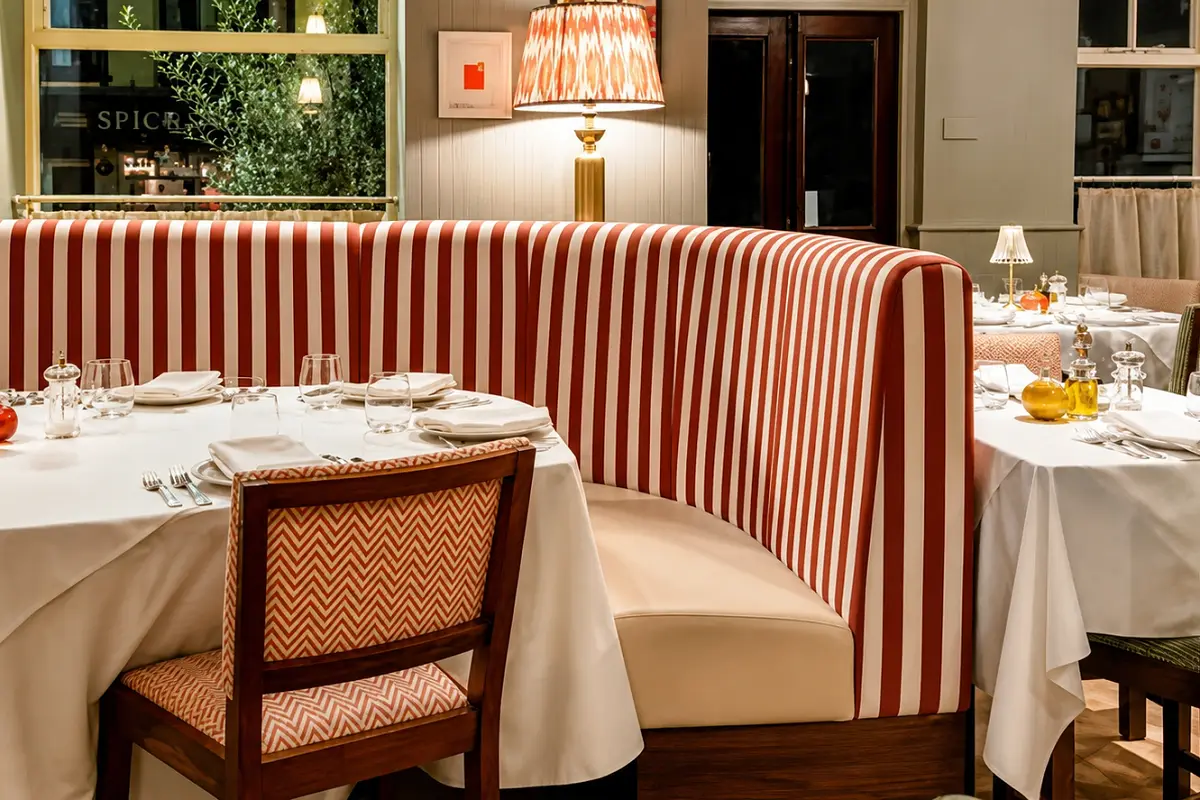
Striped red and white booths curve gently beneath warm lamplight, white tablecloths set neatly with folded napkins and glassware catching the glow of a single brass lamp. It is an image of quiet refinement, the kind of dining room that suggests careful attention to detail. Yet behind that refurbished front room at Alfredos Restaurant Conwy, food safety inspectors uncovered something considerably less reassuring, an active rodent infestation severe enough to earn the Italian eatery a zero hygiene rating.
A rodent infestation at the north Wales establishment prompted inspectors to immediately issue a remedial action notice following a visit from food safety officers. It was reported last week that Alfredos had been handed the zero rating following that inspection, a result that places the restaurant in the lowest possible category food hygiene authorities can assign.
What Inspectors Actually Found
North Wales Live has since obtained the full report issued by inspectors, revealing details considerably more troubling than the headline rating alone suggests. Food stored in a walk in fridge, which had been repurposed as a dry store, was found contaminated by rodents during the visit.
The report stated that several items had been gnawed, including bags of spaghetti and a bag of maize rice, with rodent droppings also noted throughout the area. All food within the walk in fridge was disposed of during the inspection itself, a decision reflecting the scale of contamination inspectors encountered.
Active Infestation Across Multiple Areas
Inspectors further noted evidence of current rodent activity and infestation at the premises, primarily within the rear area used for storing ambient, chilled and frozen foods, alongside facilities for food washing and hand washing. That combination, active pests within a space handling both food storage and hygiene functions, represents precisely the kind of overlap food safety regulations are designed to prevent.
The report explained the underlying danger plainly, stating that rodents pose a significant food safety risk as they can contaminate food and surfaces with harmful bacteria such as Salmonella and Leptospira, in addition to causing structural damage, and that immediate remedial action must be taken.
A Remedial Action Notice and Its Consequences
Given the gravity and scale of the infestation, a Remedial Action Notice was served at the time of the inspection, a legal mechanism that halts specific operations until conditions are addressed. This required Alfredos to stop all food storage, preparation and handling within the rear room entirely until the infestation was adequately resolved and the notice formally lifted by the Local Authority.
Evidence of previous rodent presence was also discovered within the cellar area used for storing drinks, suggesting the infestation extended beyond a single isolated space and had persisted for some time before finally triggering formal enforcement action.
Broader Hygiene Failures Throughout the Kitchen
Beyond the rodent issue itself, inspectors identified several other unhygienic sections of the kitchen, including flooring beneath most work surfaces, the bottom shelf of the tall fridge in the rear room, and shelving within the cellar area. The report stated these areas must be thoroughly cleaned and disinfected, then maintained in a clean condition, with the issue requiring immediate attention.
Additional concerns included a carrot stored in the walk in fridge that had begun to rot and was deemed unfit for human consumption, alongside deterioration to a work surface used for serving and plating food, which made maintaining proper cleanliness considerably more difficult. Inspectors gave the restaurant a fortnight to address that particular issue.
A Failure of Oversight, According to Inspectors
The report's most pointed criticism concerned management rather than any single physical hazard. It stated that the food business operator had failed to maintain effective oversight and control of the business, demonstrating insufficient awareness of activities and conditions within the kitchen, resulting in a failure to ensure compliance with food hygiene requirements.
Inspectors added that ongoing pest activity within the premises had not been adequately identified, monitored or addressed, and that food operations continued despite the presence of pests, a finding that suggests the infestation was not a sudden, isolated event but rather a condition allowed to persist unaddressed over time.
The Restaurant's Response
A spokesperson for the restaurant addressed the findings directly, stating that as owners they take their food hygiene rating of zero extremely seriously and recognise the concern this will cause customers, adding that they are sorry to have fallen below the standards customers rightly expect from them.
The spokesperson said that since the inspection, the restaurant has undergone a complete overhaul in senior management, including replacing the general manager, operations executive and employing a new executive head chef. They explained that at the time of the inspection, the business had been experiencing an unexpected and significant disruption to its management structure, offering context for how conditions had been allowed to deteriorate to this extent.
A Path Toward Re-Rating
According to the spokesperson, a formal application for a re-rating inspection was submitted within 48 hours of the original visit, a timeline they said reflects both the speed with which corrective action was taken and their confidence that required standards are now being met. The restaurant has applied for a re-score and hopes the local council will carry this out promptly, in the spokesperson's words, to help begin the journey of restoring faith to local customers who have supported the business. Ownership has also taken back full operational oversight since the inspection. Full details on the restaurant's current operations are available on the official Alfredos Restaurant website.
What This Case Reveals About Hospitality Oversight
Zero hygiene ratings rarely emerge from a single lapse, and this case illustrates how quickly conditions can deteriorate once management oversight weakens, even within a restaurant otherwise capable of maintaining an appealing, refurbished dining room for customers. The gap between a polished front of house experience and serious back of house failures underscores why food safety inspections remain essential, regardless of how a restaurant presents itself to diners seated at its tables.
Recovering public trust after a finding this severe typically demands sustained, visible change rather than a single corrective gesture, a challenge facing hospitality operators broadly whenever operational failures become public, whether through a hygiene inspection or another kind of institutional reckoning, a dynamic echoed in how even celebrated establishments must eventually answer for gaps between reputation and reality, a theme explored in recent reflections on the enduring legacy of Windows on the World and what made it genuinely exceptional.
A Dining Room Waiting to Prove Itself Again
Those striped booths and softly lit tables will likely remain unchanged in appearance, ready to welcome customers back once the required improvements are verified and the re-rating inspection is complete. Whether diners return with the same confidence they once held will depend less on the restaurant's décor and considerably more on whether the promised overhaul in management and oversight proves durable, a test that will play out not in a single inspection, but in the weeks and months of consistent practice that follow.