Beefeater and Brewers Fayre Closures Lead to 3,800 Job Losses as UK Dining Sector Faces Major Shift
Beefeater and Brewers Fayre closures result in 3,800 job losses as shifting consumer demand and rising costs reshape the UK dining sector landscape.
 Prajakta Sanjay Warwadkar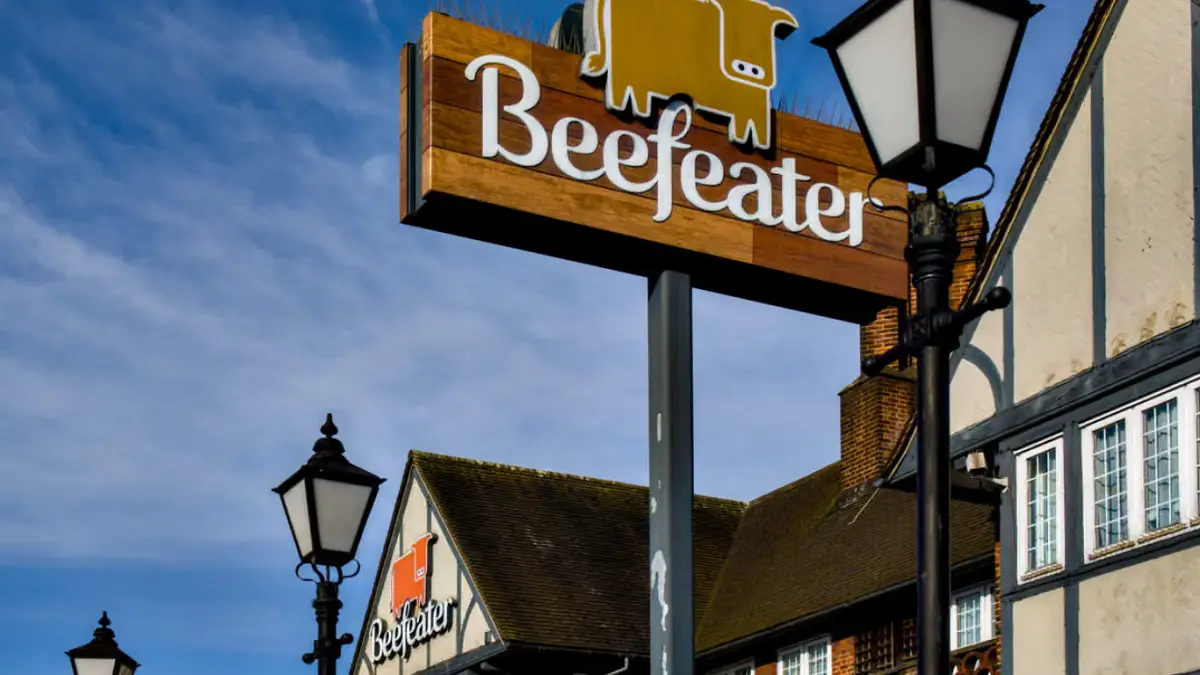
Beefeater and Brewers Fayre Closures Signal Major Shift in UK Dining Industry
The latest wave of Beefeater and Brewers Fayre closures has sent shockwaves through the UK hospitality sector, with nearly 3,800 jobs expected to be lost. This move reflects a deeper transformation in the casual dining landscape, where changing consumer habits, rising operational costs, and increased competition are forcing long-standing brands to rethink their strategies.
For decades, these iconic dining chains have been synonymous with affordable, family-friendly meals across the UK. However, the announcement of widespread Beefeater and Brewers Fayre closures highlights how even well-established brands are not immune to evolving market pressures.
Understanding the Beefeater and Brewers Fayre Closures
Why these restaurant chains are shutting down
The Beefeater and Brewers Fayre closures are part of a broader restructuring plan by their parent company. The decision comes after a period of declining footfall, especially in traditional dine-in formats. With customers increasingly opting for delivery, quick-service dining, or premium experiences, mid-range casual dining chains are finding it difficult to maintain steady growth.
Additionally, rising food costs, higher wages, and increasing energy expenses have significantly impacted profit margins. As a result, maintaining large physical restaurant spaces has become less viable, prompting closures across multiple locations.
Impact of Beefeater and Brewers Fayre Closures on Jobs
Thousands of employees affected nationwide
One of the most concerning aspects of the Beefeater and Brewers Fayre closures is the impact on employment. Approximately 3,800 jobs are at risk, affecting kitchen staff, servers, management teams, and support roles across the country.
While some employees may be redeployed within other parts of the business, many face uncertainty. This development adds to ongoing concerns about job stability within the hospitality sector, which has already been under strain in recent years.
Changing Consumer Behavior Behind the Closures
How dining habits are evolving in the UK
The Beefeater and Brewers Fayre closures also reflect a broader shift in how people dine. Consumers today are more experience-driven, seeking unique, high-quality meals rather than standardised offerings. At the same time, convenience has become a top priority, with takeaway and delivery services dominating the market.
Moreover, health-conscious eating and diverse culinary preferences have reshaped expectations. Traditional menus, once popular, are now competing with global cuisines and innovative dining concepts that appeal to younger audiences.
Financial Pressures Driving Beefeater and Brewers Fayre Closures
Rising costs and shrinking margins
The financial strain behind the Beefeater and Brewers Fayre closures cannot be ignored. Inflation has significantly increased the cost of ingredients, utilities, and logistics. Coupled with wage increases and staffing shortages, these factors have created a challenging environment for restaurant operators.
As highlighted in recent industry insights, businesses are being forced to streamline operations and focus on profitability. For a deeper look into these trends, explore this analysis on restaurant industry growth in 2026.
What This Means for the UK Restaurant Industry
A shift toward new dining formats
The Beefeater and Brewers Fayre closures signal a turning point for the UK restaurant industry. Casual dining chains that once dominated the market are now being challenged by more agile and innovative concepts.
Restaurants are increasingly investing in smaller, more flexible spaces, digital ordering systems, and hybrid dining models that combine dine-in with takeaway services. This shift is reshaping how businesses operate and compete.
For a broader understanding of how the restaurant industry functions and evolves, you can refer to this detailed overview on restaurant concepts and industry structure.
Community and Customer Reactions to the Closures
Emotional connections with long-standing brands
The announcement of Beefeater and Brewers Fayre closures has sparked strong reactions from customers who have long associated these restaurants with family gatherings and celebrations. Many people have shared memories tied to these establishments, highlighting their cultural significance.
Local communities are also feeling the impact, as these restaurants often served as social hubs. Their closure not only affects employment but also changes the local dining landscape.
Future Outlook After Beefeater and Brewers Fayre Closures
What lies ahead for hospitality businesses
Looking ahead, the Beefeater and Brewers Fayre closures may encourage other restaurant brands to reassess their strategies. Adaptability will be key, with businesses needing to embrace innovation, diversify menus, and enhance customer experiences.
There is also an opportunity for new entrants and independent restaurants to fill the gap left by these closures. As the market evolves, those who can align with modern consumer expectations are likely to thrive.
FAQ About Beefeater and Brewers Fayre Closures
Why are Beefeater and Brewers Fayre restaurants closing?
The closures are primarily due to declining customer demand, rising operational costs, and changing dining preferences.
How many jobs are affected by the closures?
Approximately 3,800 jobs are at risk as a result of the closures across multiple locations.
Will all Beefeater and Brewers Fayre locations close?
No, not all locations are closing. The decision affects selected underperforming outlets as part of a restructuring plan.
What does this mean for the UK restaurant industry?
The closures indicate a shift toward more flexible, experience-driven, and digitally integrated dining models.
Conclusion: Beefeater and Brewers Fayre Closures Reflect Industry Transformation
In conclusion, the Beefeater and Brewers Fayre closures are more than just a series of restaurant shutdowns—they represent a significant shift in the UK hospitality landscape. As consumer expectations evolve and economic pressures mount, even established brands must adapt or risk becoming obsolete.
While the immediate impact includes job losses and community disruption, the long-term effect may lead to a more dynamic and innovative dining sector. Ultimately, the Beefeater and Brewers Fayre closures serve as a reminder that the restaurant industry is constantly evolving, and success depends on the ability to keep pace with change.