Bouillon Restaurants Surge in France With 253 Openings in Four Years
France sees rapid growth in bouillon restaurants, with 253 openings in four years, reviving low-cost traditional dining and competing with fast food on price and quality.
 Prajakta Sanjay Warwadkar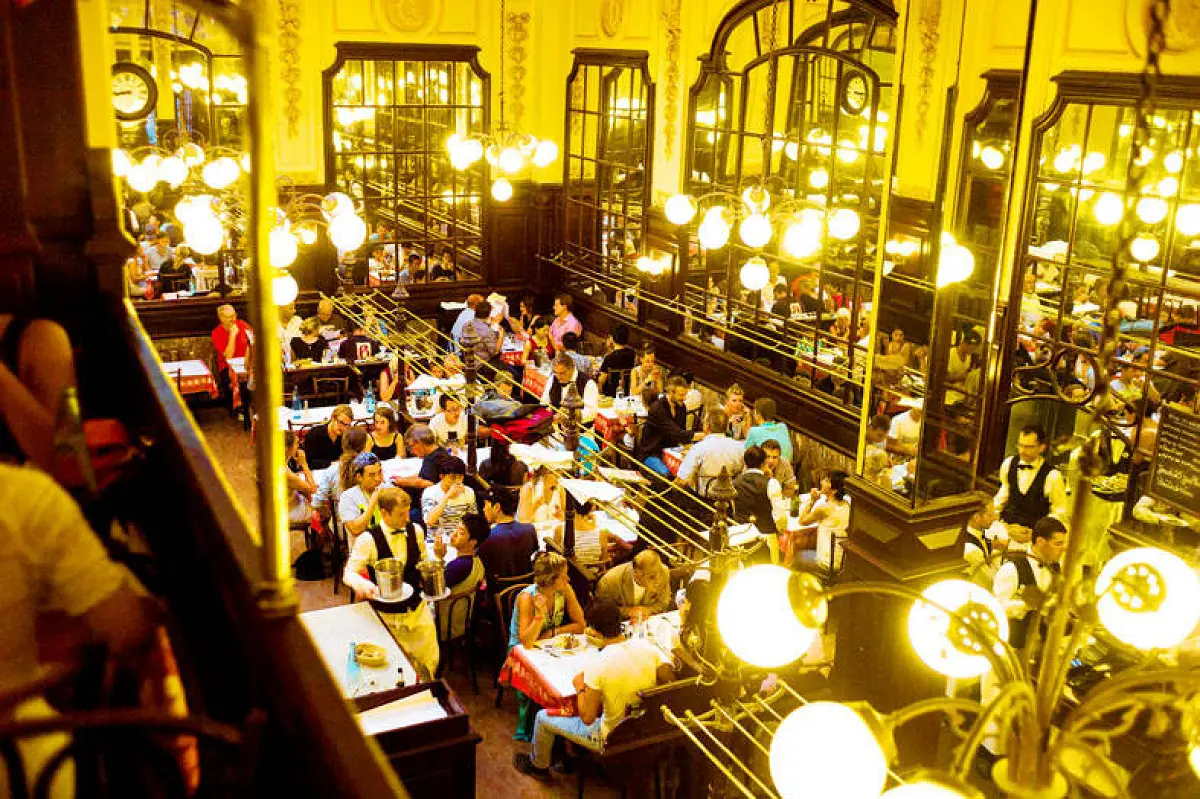
France is witnessing a rapid resurgence of bouillon restaurants, with 253 new outlets opening across the country over the past four years, signalling a strong return to traditional, low-cost dining formats. The revival reflects shifting consumer preferences toward affordable meals rooted in classic French cuisine, according to industry data shared in April 2026.
The renewed growth of bouillons, historically known for serving hearty meals at accessible prices, is being driven by demand for value-focused dining options that can compete directly with fast-food chains while maintaining higher perceived quality. Industry consultants note that the expansion represents one of the most concentrated growth phases for a single restaurant format in recent years.
Rapid Expansion and Market Positioning
The bouillon format has expanded aggressively since 2017, gaining traction among both independent operators and established restaurateurs. Over the past four years alone, 253 new restaurants have been launched across France, indicating strong investor and operator confidence in the model.
This growth is rooted in the format’s ability to deliver full meals at low price points. Operators aim to offer a complete dining experience — typically including a starter, main course, and dessert — for under €20. This pricing strategy positions bouillons as a competitive alternative to fast food, where single items can approach similar price levels without offering a full meal.
The model relies heavily on high customer volumes, efficient kitchen operations, and simplified menus to maintain profitability while keeping prices low. Industry experts highlight that successful bouillon operations typically require large seating capacities, often exceeding 300 covers, to sustain margins.
Historical Roots and Revival
The bouillon concept dates back to the 1850s, when butcher Adolphe-Baptiste Duval established the first outlets in Paris to provide affordable meals to workers. By the early 20th century, the network had expanded to approximately 250 locations in the capital, making it one of the earliest large-scale restaurant chains in France.
However, the format gradually declined as dining habits evolved, with higher-end brasseries and international fast-food brands gaining prominence. The modern revival began in 2005 with the reopening and repositioning of Bouillon Chartier, a historic Paris establishment that reintroduced traditional dishes at accessible prices.
The updated concept retained key elements of the original model, including simple menus, rapid service, and communal dining environments, while modernising kitchen operations to meet contemporary standards.
Operational Model and Customer Demand
Bouillon restaurants operate on a high-turnover model, often serving thousands of customers daily. For example, leading operators report serving up to 2,300 diners per day at peak locations, supported by extended operating hours and minimal reservation systems.
Menus typically feature traditional French dishes such as beef bourguignon, served alongside low-cost starters like leek vinaigrette priced as low as €1. The focus remains on recognisable, comfort-oriented meals that appeal to a broad demographic, including both local residents and international tourists.
The dining format also emphasises accessibility and inclusivity, with operators aiming to create spaces that attract a wide customer base without price-based barriers. This positioning has contributed to the concept’s popularity among younger consumers and families seeking affordable dining experiences.
Digital visibility has further supported growth, with several bouillon brands leveraging social media platforms to drive footfall and build brand recognition. High customer volumes, visible queues, and informal dining settings have become part of the format’s identity.
Competitive Landscape and Sustainability Challenges
The rapid expansion of bouillon restaurants has created a competitive sub-segment within the French dining market. While operators generally do not view competition as a threat, industry participants acknowledge that maintaining consistent quality at low price points remains a critical challenge.
Experts indicate that not all new entrants are likely to sustain operations in the long term. Restaurants that fail to balance cost control with food quality or that frequently alter menus risk losing customer trust and operational stability.
Maintaining scale is also essential. Analysts note that achieving profitability at low price points requires strict cost management, standardised processes, and consistent customer volume. Operators that do not meet these operational benchmarks may struggle to remain viable beyond the initial growth phase.
Shift Toward Traditional and Value-Based Dining
The resurgence of bouillon restaurants reflects a broader shift in consumer behaviour toward value-driven dining experiences that prioritise familiarity and affordability. Rising living costs and changing spending patterns have increased demand for full-service meals at lower price points.
At the same time, the format’s emphasis on traditional French cuisine has reinforced its cultural appeal, positioning bouillons as an accessible entry point into the country’s culinary heritage. Industry stakeholders describe the concept as a “gateway” to French gastronomy, particularly for younger consumers and tourists.
The expansion of bouillon restaurants also highlights a growing intersection between traditional dining formats and modern operational strategies, combining historical concepts with contemporary efficiency and marketing approaches.
As of April 2026, the bouillon segment continues to expand across France, supported by strong consumer demand and increasing operator participation, while facing ongoing challenges related to scalability and long-term sustainability.