Chef Jason McKinney Advances Michelin-Star Ambitions with Global R&D Journey for New York Restaurant
Chef Jason McKinney is conducting a global research journey through pop-ups and collaborations ahead of launching Elizabeth, a 14-seater tasting menu restaurant in New York by 2027.
 Prajakta Sanjay Warwadkar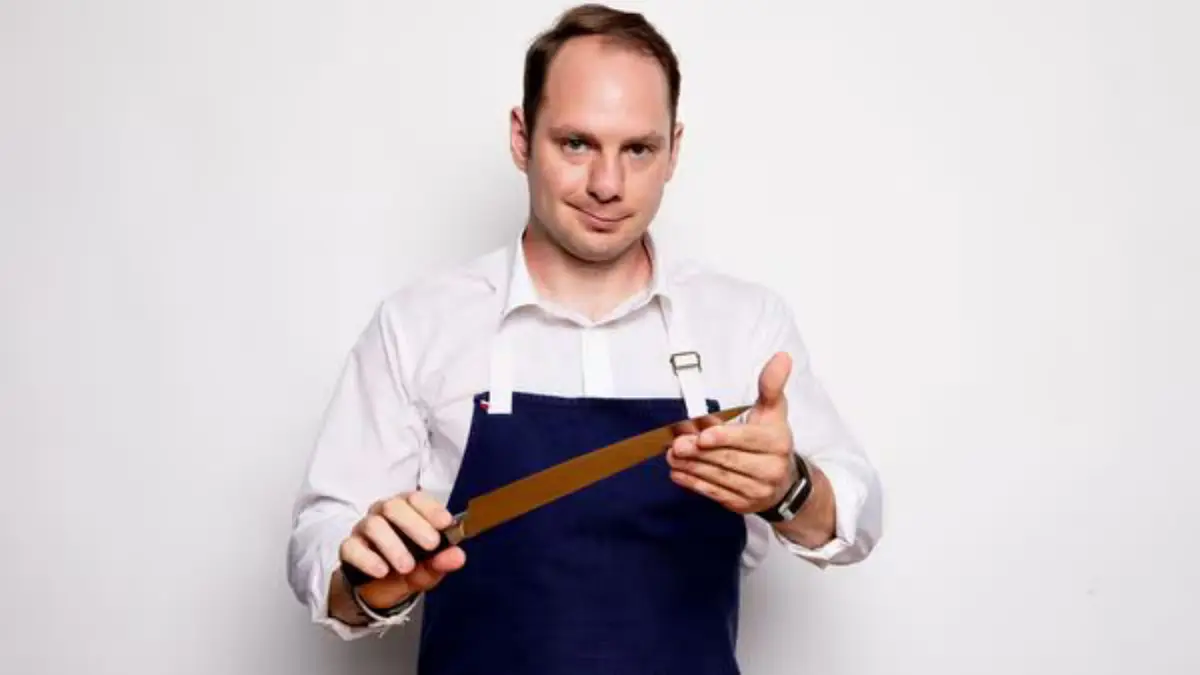
Chef Jason McKinney is undertaking a structured global research and development journey as he prepares to launch Elizabeth, a 14-seat tasting menu restaurant in New York City, targeted for late 2027, with the stated aim of operating at Michelin-star level from inception.
The chef, who previously spent nearly five years at The French Laundry in Napa Valley, is currently 18 months into a programme of international stages, collaborations and pop-ups designed to refine both culinary technique and operational philosophy ahead of the restaurant’s opening.
Global R&D Strategy Built Around Pop-Ups and Stages
McKinney’s approach centres on immersive exposure to diverse kitchen environments and cuisines. His recent engagements include staging with chefs in Bangkok and Bali, alongside a series of pop-up dining events across multiple markets. Upcoming placements include kitchens in Tokyo and Fukuoka, as well as planned collaborations across China, Mexico, South Africa and South America.
This structured programme allows the chef to test menu concepts in varied environments while observing kitchen systems, ingredient usage and service models. According to McKinney, staging provides insight into how established kitchens operate, while pop-ups function as live testing grounds for his own ideas.
At a recent pop-up hosted in Bengaluru, McKinney presented dishes rooted in personal narratives, highlighting his focus on contextual storytelling as part of the dining experience. The menu included dishes inspired by past experiences, translating memory into structured fine dining formats.
Restaurant Elizabeth Positioned as 14-Seat Tasting Concept
Elizabeth, named after McKinney’s mother, is planned as a 14-cover restaurant offering a tasting menu format. The small seating capacity reflects a broader industry trend towards intimate, high-control dining environments that enable consistency and precision in execution.
The concept is being developed with a clear focus on achieving Michelin recognition, although McKinney has stated that the objective is to operate at that level from the outset rather than pursue accolades post-launch. The chef is building a documentation system using digital tools and artificial intelligence to catalogue techniques, recipes and observations gathered during his global research phase.
New York has been selected as the launch market due to its established fine dining ecosystem and global visibility. The restaurant is expected to integrate learnings from multiple cuisines and culinary traditions encountered during McKinney’s international engagements.
Career Path Includes Fine Dining and Entrepreneurship
McKinney’s professional background includes formal training through a four-year apprenticeship at The Balsams in New Hampshire, followed by a position at The French Laundry, one of the most recognised fine dining establishments globally. His tenure there focused on high-precision cooking and operational discipline within a three-Michelin-star environment.
Following his departure, McKinney co-founded a truffle-focused business, which later expanded into an online cooking platform during the pandemic. The venture secured external investment through a television deal and was subsequently sold, marking a transition from traditional kitchen roles into entrepreneurship.
His career trajectory reflects a combination of classical fine dining training and modern business experience, both of which are being applied to the development of Elizabeth.
Focus on Technique, Context and Cultural Integration
During his global research, McKinney has focused on both technical and cultural elements of cooking. In Indonesia, he explored alternative techniques in condiment preparation, while in India, he drew inspiration from home-style cooking rather than professional kitchens. These experiences are being incorporated into a broader framework that blends technique with narrative-driven dining.
The chef’s methodology emphasises continuous refinement, with each stage and collaboration contributing incremental adjustments to the final concept. Rather than finalising a fixed menu ahead of launch, McKinney is using an iterative process to test, adapt and discard elements based on real-world feedback.
Operational Approach Aims for Precision and Consistency
The decision to limit Elizabeth to 14 seats aligns with operational goals centred on control, consistency and guest experience. Smaller formats allow chefs to maintain tighter oversight of both food preparation and service delivery, which is critical for tasting menu concepts aiming for high-level recognition.
McKinney’s background in high-pressure kitchen environments has informed his focus on ownership and accountability within the team structure he plans to build. Lessons from his time in fine dining kitchens are being translated into a model that prioritises both technical excellence and clear communication.
With the restaurant’s opening still more than a year away, McKinney continues to expand his research footprint, treating each international engagement as a step toward refining the final concept. The project remains in development, with ongoing adjustments expected as additional data and insights are gathered.