Chicken Salad Chick Enters Albany Market With 25-Unit Deal
Chicken Salad Chick signs its largest-ever 25-unit franchise deal to expand into Albany and four other New York markets. Read what it means for the Capital Region.
 Prajakta Sanjay Warwadkar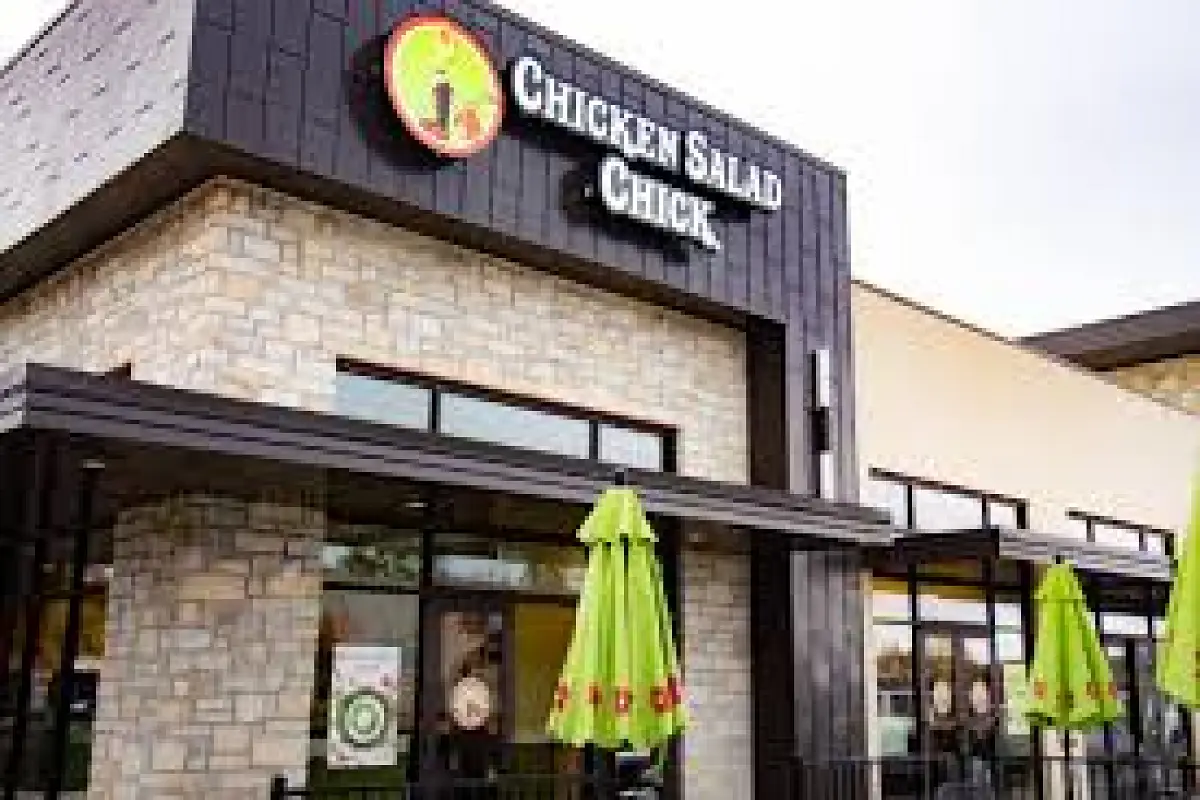
ALBANY, N.Y., June 3, 2026 — Chicken Salad Chick, the Alabama-born southern fast casual chain, signs its largest franchise development deal in brand history a 25-unit agreement that will bring its made-from-scratch chicken salad concept to several markets across New York State, including Albany.
The deal marks the chain's first major push into the Northeast and positions the Capital Region as one of several targeted markets under the new agreement, according to an announcement published on the Chicken Salad Chick website. The 25 locations will develop across Albany, Buffalo, Rochester, Syracuse and the Upper Hudson Valley.
Chicken Salad Chick's Biggest Development Deal Yet
Mark Verges, Vice President of Franchise Development for Chicken Salad Chick, said the New York agreement reflects growing national demand for the brand's model.
"New York represents a tremendous growth opportunity, and we're excited to partner with a seasoned owner to introduce our brand to guests across the state,"
— Mark Verges, Vice President of Franchise Development, Chicken Salad Chick
The franchisee behind the deal is an experienced, multi-unit operator with prior ownership of other brands. Neither the franchisee's name nor specific Albany location details have been disclosed at this time.
Record-Breaking Momentum Heading Into 2026
The announcement follows what the company calls its most successful year in brand history. In 2025, Chicken Salad Chick awarded nearly 100 new franchise agreements and opened 42 locations across 14 states.
The chain carried that pace into 2026, reporting the strongest quarterly franchise development performance in its history during the first three months of the year. The brand sold 52 new restaurants in Q1 alone a nearly 50% increase over the same period in 2025 and added seven new franchise groups.
Verges attributed the pace to strong unit economics and operator confidence in the brand's scalable model. "Delivering nearly 50% year-over-year growth in Q1 reflects the strength of our model, the quality of our franchise partners, and the increasing demand for a concept built on hospitality, simplicity, and strong unit-level economics," he said.
What Albany Diners Can Expect
Chicken Salad Chick builds its menu around fresh, Southern-style chicken salad served as sandwiches and scoop meals with crackers and sides. The chain positions itself in the fast casual segment alongside brands such as Panera Bread and McAlister's Deli.
Founded in Auburn, Alabama in 2008, the chain now operates more than 330 locations across 22 states. Its expansion strategy centers on regional clustering opening multiple units within a defined area to build local brand recognition and improve operational support for franchisees.
Industry publications have noted the chain's consistency. QSR magazine has named Chicken Salad Chick to its Best Franchise Deals list for four consecutive years. Fast Casual magazine ranked it third on its Top 100 Movers and Shakers list, and Franchise Times placed it at No. 158 in its Top 400.
Northeast as a Strategic Growth Region
Chicken Salad Chick opened New York and New Jersey for franchise development prior to this agreement and says it saw strong interest from multi-unit operators seeking a differentiated concept in markets it describes as underserved in the fast casual space.
The brand said select territories in the region remain available for interested franchise owners despite the 25-unit deal. More information on ownership opportunities is available at the Chicken Salad Chick franchising page.
No opening timeline for the Albany-area locations has been released.
More information about Indian cuisine and its regional diversity can be explored through Indian cuisine history and traditions.
Businesses monitoring hospitality expansion trends can also explore restaurant industry growth trends for 2026 to understand how regional food concepts are shaping dining markets.