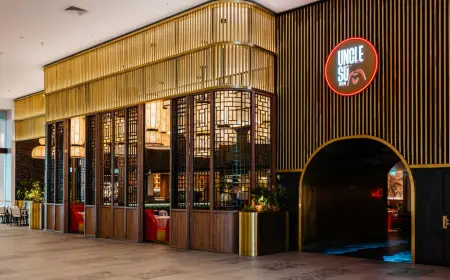
Chinese Restaurant Brands Gain Ground in South Korea’s Competitive Dining Market
Chinese restaurant brands are expanding rapidly in South Korea, gaining popularity among consumers and intensifying competition in the local dining market.
 Prajakta Sanjay Warwadkar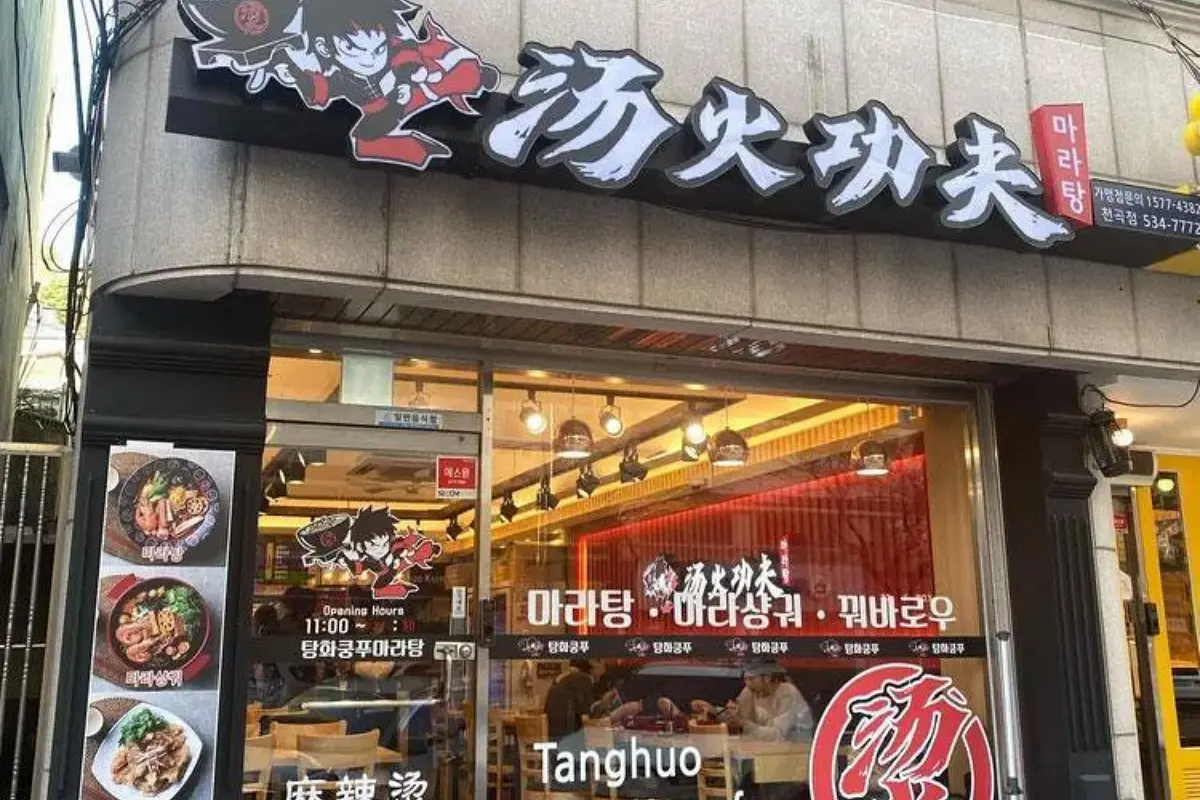
Chinese Restaurant Brands Gain Ground in South Korea’s Competitive Dining Market
Chinese restaurant brands are steadily expanding their presence in South Korea in 2026, gaining traction among local consumers and reshaping the competitive landscape of the country’s dining sector. The growth reflects increasing demand for diverse international cuisines, strategic brand expansion, and evolving consumer preferences in one of Asia’s most dynamic food markets.
The rising popularity of Chinese dining concepts in South Korea is being driven by a combination of affordability, menu innovation, and strong brand positioning. Industry observers note that both established chains and emerging players are leveraging these factors to strengthen their foothold in the market.
Growing Demand for Chinese Cuisine
South Korean consumers are showing increased interest in Chinese cuisine, driven by changing tastes and greater exposure to international food culture. From traditional dishes to modern interpretations, Chinese restaurants are catering to a wide range of preferences.
The appeal lies in the variety and accessibility of Chinese food, which offers both comfort and novelty. Dishes such as noodles, dumplings, and stir-fried specialties are being adapted to suit local tastes while retaining their authentic flavors.
This growing demand has encouraged more brands to enter the market and expand their operations.
Expansion Strategies and Market Entry
Chinese restaurant brands are adopting aggressive expansion strategies to capture market share in South Korea. These include opening new outlets in high-traffic urban areas, forming partnerships with local operators, and investing in marketing campaigns to build brand recognition.
Many brands are also leveraging digital platforms, including food delivery apps and online ordering systems, to reach a broader customer base. This approach has proven particularly effective in urban centers where convenience plays a key role in dining decisions.
The expansion is not limited to large cities, with some brands exploring opportunities in smaller markets as well.
Competitive Pressure on Local Operators
The entry and growth of Chinese restaurant brands are intensifying competition within South Korea’s restaurant industry. Local operators are facing increased pressure to differentiate themselves through menu innovation, pricing strategies, and customer experience.
Some Korean restaurants are responding by incorporating international elements into their offerings, while others are focusing on enhancing traditional dishes to retain customer loyalty. The competitive environment is driving overall improvements in quality and service across the sector.
Industry experts suggest that competition from international brands can stimulate innovation and elevate standards.
Menu Localization and Innovation
To succeed in the South Korean market, Chinese restaurant brands are adapting their menus to align with local preferences. This includes adjusting flavors, portion sizes, and presentation styles to meet consumer expectations.
Many establishments are also introducing fusion dishes that combine Chinese and Korean culinary elements, creating unique offerings that appeal to a broader audience. Innovation in menu design has become a key factor in attracting and retaining customers.
The ability to balance authenticity with localization is critical for long-term success.
Role of Pricing and Accessibility
Competitive pricing has played a significant role in the growth of Chinese restaurant brands in South Korea. Many establishments offer affordable options, making them accessible to a wide range of consumers, including students and young professionals.
In addition to pricing, convenience and accessibility are important factors. Locations in busy commercial districts, shopping centers, and transit hubs have helped increase visibility and foot traffic.
These factors contribute to the strong performance of Chinese dining concepts in the market.
Influence of Delivery and Technology
The integration of technology and delivery services has further supported the expansion of Chinese restaurant brands. Online platforms enable customers to order food بسهولة and provide restaurants with valuable data on consumer preferences.
Delivery services have become a significant revenue stream, particularly in urban areas where time constraints influence dining behavior. Many Chinese restaurants have optimized their menus and packaging for delivery, enhancing customer satisfaction.
The use of technology is expected to remain a key driver of growth in the sector.
Impact on the Broader Hospitality Industry
The rise of Chinese restaurant brands is contributing to the diversification of South Korea’s hospitality industry. The presence of international cuisines enriches the dining landscape and attracts both local diners and tourists seeking varied culinary experiences.
This trend also reflects broader globalization within the foodservice sector, where cross-border expansion is becoming increasingly common. Restaurants are no longer confined to domestic markets, with brands seeking growth opportunities in new regions.
The expansion highlights the interconnected nature of the global hospitality industry.
Challenges and Market Risks
Despite the growth opportunities, Chinese restaurant brands face challenges in the South Korean market. These include regulatory requirements, high operational costs, and the need to maintain consistent quality across multiple locations.
Cultural differences and competition from established local brands can also pose challenges. Successfully navigating these factors requires careful planning and strong local partnerships.
Brands that can adapt effectively are more likely to sustain long-term growth.
Future Outlook
The presence of Chinese restaurant brands in South Korea is expected to continue expanding as demand for international cuisines grows. Industry analysts anticipate further investment in new outlets, menu innovation, and digital capabilities.
The competitive landscape is likely to evolve as both international and local players adapt to changing consumer preferences. The ability to deliver value, quality, and unique experiences will remain critical for success.
The trend underscores the dynamic nature of South Korea’s dining market and its openness to global influences.
Conclusion
As Chinese restaurant brands gain momentum in South Korea, their expansion is reshaping the competitive environment and highlighting the growing demand for diverse culinary experiences in the country’s evolving hospitality sector.