Restaurants Expand Contactless Dining as Digital Ordering Stays
Contactless dining trends continue shaping restaurant operations through digital ordering and mobile payments in 2026. Read more.
 Prajakta Sanjay Warwadkar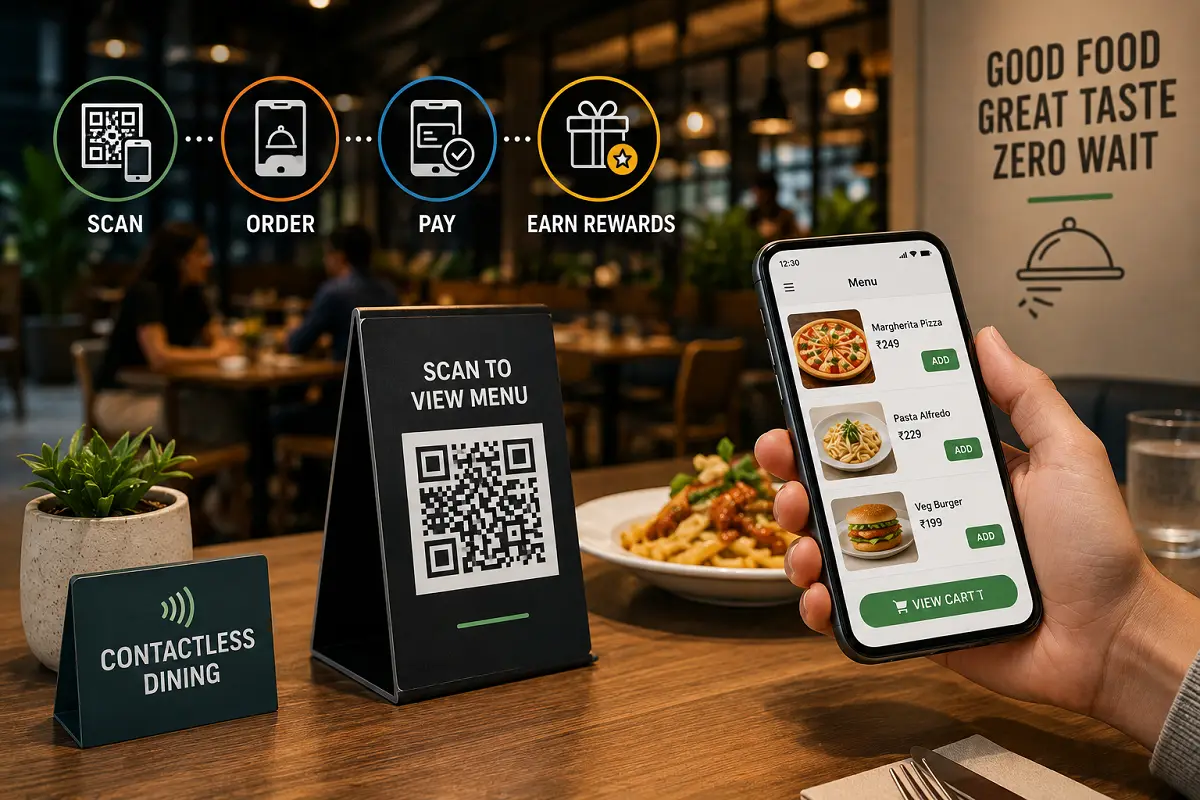
MUMBAI, June 2, 2026 — Contactless Dining Trends Post-2025: Why Restaurants Still Haven’t Moved Back Completely
Contactless dining was supposed to be temporary. At least that’s what many restaurants thought after the pandemic years slowed down. But customers never fully went back. QR menus, mobile payments, self-order systems, and app-based dining stuck around because people realised they were quicker and honestly, sometimes easier than traditional service. Now even small cafes and local food chains are quietly building contactless systems into daily operations without making a big deal about it.
Why Are Restaurants Still Pushing Contactless Dining After 2025?
Mostly because customers got comfortable with it. Maybe too comfortable.
People don’t really enjoy waiting for physical menus anymore, especially during busy hours. Scan the code. Order. Pay. Done. The process feels faster even when the actual waiting time isn’t hugely different.
Restaurants noticed something else too. Staff interruptions reduced. Billing mistakes dropped slightly. Table turnover improved during rush hours. Tiny changes individually, but together they changed operations quite a bit.
And honestly, once restaurants spent money installing QR systems and digital payment setups everywhere, there was no real reason to remove them later.
Some diners still hate scanning menus though. Especially older customers. Or families trying to order quickly with children already shouting across the table. That frustration still exists a little.
What Does Contactless Dining Actually Look Like Now?
It’s not just QR menus anymore. That’s the interesting part.
Most contactless dining setups now combine several systems together:
-
QR-based digital menus
-
UPI and mobile wallet payments
-
Self-order kiosks
-
Table ordering through apps
-
AI-assisted service notifications
-
Loyalty rewards linked directly to orders
Some restaurants even allow customers to request water refills or extra cutlery digitally now. Which sounds unnecessary at first, until you’re sitting in a crowded food court trying to get someone’s attention for ten minutes.
Then suddenly it makes sense.
Airport restaurants especially moved aggressively toward contactless systems because customers there usually prioritise speed over hospitality anyway. Nobody waiting for a delayed flight wants long dining interactions.
How Does Contactless Dining Compare to Traditional Restaurant Service?
The experience changes depending on what diners actually expect from the restaurant.
|
Traditional Dining |
Contactless Dining |
|
More personal interaction |
Faster and more independent |
|
Physical menus and manual billing |
Digital menus and mobile payments |
|
Slower during heavy rushes |
Quicker processing during peak hours |
|
Better for emotional hospitality |
Better for convenience-focused dining |
|
More staff involvement |
Less operational dependency on staff |
But restaurants trying to remove human interaction completely sometimes run into problems too. Dining starts feeling transactional very quickly. Cold almost.
People still want somebody nearby in case the payment freezes or the QR page refuses to load. Which, happens more often than restaurants admit honestly.
What Are Customers Actually Feeling About Contactless Dining?
Most customers like parts of it, not necessarily all of it.
People enjoy paying quickly. They like ordering extra food without waiting for servers to notice them. Digital splitting of bills during group dinners also became weirdly important after 2023. Nobody carries enough cash anymore.
But there’s still pushback in certain dining spaces.
Fine-dining restaurants, premium cafes, luxury hotel restaurants, guests there still expect warmth and interaction. A fully contactless experience in those places can feel awkwardly silent sometimes. Like everyone’s sitting together physically but interacting only with screens.
That feeling becomes noticeable after a while.
Also, badly designed restaurant apps annoy customers immediately. Slow menus. Endless loading screens. Payment failures halfway through checkout. People lose patience very fast when technology interrupts hunger.
And hungry customers are not forgiving people.
Is Contactless Dining Actually Helping Restaurants Financially?
In many cases, yes. Though maybe not in the magical way tech companies promised.
Restaurants using efficient contactless systems often process more tables during busy periods and reduce manual billing confusion. Staff can focus more on food delivery and customer issues instead of running repeatedly between tables with payment machines.
That helps operations. Definitely.
But smaller independent restaurants still move slower toward full automation because hospitality matters deeply to their identity. Some owners genuinely worry that too much screen interaction makes the restaurant feel less human. Which sounds dramatic maybe, but not completely wrong either.
Pro-Tip
In our experience, restaurants get the strongest customer response when contactless systems stay flexible instead of mandatory. Diners like convenience when they’re in a hurry, but they still appreciate human interaction during longer meals or social outings. The restaurants balancing both experiences usually perform better than places trying too aggressively to automate every single customer interaction.
What’s Next for Contactless Dining Trends Heading Into 2026?
Contactless dining will probably expand further across food courts, quick-service chains, multiplexes, cloud kitchens, and airport dining through 2026. Especially in urban India where digital payments already dominate everyday spending habits.
Voice-enabled ordering systems are starting to merge into contactless dining too. Regional language support will matter a lot there. Probably more than restaurants currently expect.
And honestly, most customers may stop even noticing these systems soon. Scanning menus, paying through phones, ordering digitally. It’ll just feel normal. Like WiFi in restaurants. Nobody talks about it anymore unless it stops working.
Read more: Dining Out Trends 2026: Why People Prefer Dining Out Over Cooking More Than Ever
Rise of Experience-Based Restaurants: Why Are They Taking Over Dining?