Demand for Healthy Eating in Restaurants: What’s Driving the Shift in 2026?
Discover why the demand for healthy eating in restaurants is rising in 2026, from clean ingredients and wellness-focused menus to sustainable sourcing and mindful dining trends across India.
 Prajakta Sanjay Warwadkar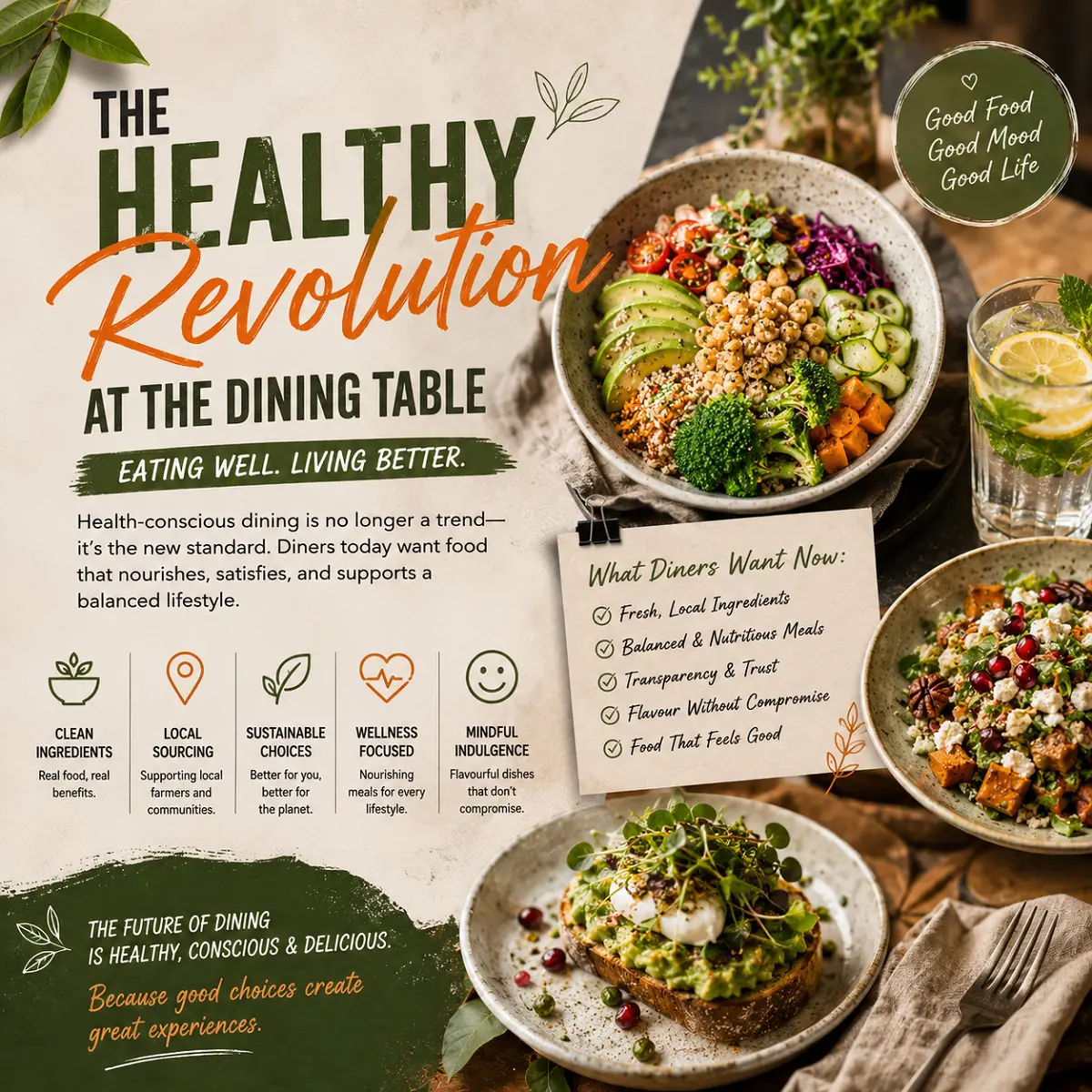
Demand for Healthy Eating in Restaurants: What’s Really Driving the Shift?
Healthy eating at restaurants isn’t a passing phase anymore; it’s quietly become the expectation. Diners today aren’t choosing between eating well and eating out; they want both at the same time, and restaurants that can’t deliver that are losing ground fast. The demand is real, it’s growing, and it’s showing up in everything from menu design to how kitchens actually source ingredients.
Why Are Diners Suddenly More Health-Conscious When Eating Out?
The shift started quietly, a few more salads on the menu, some calorie counts here and there, but what’s driving it now is much deeper than a trend. Post-pandemic, people just started paying more attention to what they were putting in their bodies. Combine that with social media constantly surfacing gut health content, clean eating reels, “what I eat in a day” videos, and the baseline expectation for restaurant food has genuinely moved. It’s not that people want to be boring about it. They just don’t want to feel terrible after lunch anymore.
What Does ‘Healthy’ Actually Mean to Diners in 2026?
Healthy in 2026 doesn’t mean bland or restrictive; it means food that feels considered, honest about its ingredients, and actually leaves you feeling good after. Diners are looking for things like locally sourced produce, lighter proteins, fermented options, and dishes built around whole grains or ancient cereals. Millet bowls, seasonal menus, and kombucha on the drinks list, these used to feel niche. Now they’re just table stakes. And the flavour still has to be there. That part hasn’t changed at all.
How Are Restaurants Actually Adapting to the Demand for Healthier Food?
The restaurants responding well aren’t just swapping out ingredients, they’re rethinking what the menu says about them as a place. Calorie counts and allergen labels used to feel clinical, like hospital cafeteria energy. Now, done right, they’re a trust signal. Transparency is good branding. Some restaurants are going further, telling the story of where something was grown, naming the farms, explaining why something’s seasonal. It sounds like extra effort, but for a certain kind of diner? It’s exactly why they come back.
How Has the Restaurant Menu Changed to Meet Healthier Expectations?
The shift from indulgence-first to wellness-forward shows up across almost every part of the menu:
|
What’s Changing |
Earlier Approach |
Healthy-Forward Approach |
|
Menu focus |
Rich, indulgent, comfort-first |
Balanced, ingredient-led, light options |
|
Diner expectation |
Taste above all else |
Taste AND nutrition, not a compromise |
|
Portion size |
Bigger felt like better value |
Mindful portions, quality over quantity |
|
Transparency |
Vague descriptions, no origin info |
Calorie counts, sourcing stories, labels |
|
Drinks |
Sodas and juices dominated |
Kombucha, infused water, herbal options |
Is the Demand for Healthy Food Actually Good for the Restaurant Business?
The short answer is yes, but only for the restaurants doing it with some conviction, not just slapping the word ‘clean’ on things and calling it done. Diners can tell the difference between a kitchen that actually cares about ingredients and one that’s just responding to a trend. The ones that genuinely invest in better sourcing, more honest menus, and real dietary flexibility tend to build a stickier, more loyal crowd. And that crowd? Talks. A lot.
What Are the Restaurants Getting This Right Actually Doing Differently?
The best healthy-forward restaurants aren’t marketing themselves as health restaurants, they’re just building menus around ingredients they’re proud of, and letting the food do the talking. There’s a big difference between a place that leads with ‘low-cal options’ and one that leads with ‘we use produce from three farms within 50km.’ Both might be healthy. Only one feels worth visiting.
Pro-Tip: In our experience, restaurants that introduce just two or three strong healthy options rather than overhauling the entire menu see better results. Diners don’t want to feel like they’re eating at a wellness clinic; they want a real choice. Give them one genuinely great healthy dish, and they’ll order it every time.
What’s Next for Healthy Eating in Restaurants Through 2026 and Beyond?
Healthy eating at restaurants is only going to get more embedded, not as a category, but as a baseline standard that every serious restaurant is expected to meet. Personalized nutrition is coming in quietly, with menus starting to flag options by dietary need without making it feel medicinal. Local and seasonal sourcing is moving from a nice detail to a genuine differentiator. And the restaurants that figured this out early, the ones that treated healthy eating as a craft, not a checkbox, are the ones that’ll look very smart in a couple of years.
Read more on this: Dining Out Trends 2026: Why People Prefer Dining Out Over Cooking More Than Ever
Rise of Experience-Based Restaurants: Why Are They Taking Over Dining?