Dubai’s Atrangi Restaurant Introduces Personalized Chef-Curated Dining Experience
Atrangi restaurant in Dubai has launched a personalized dining concept where chefs create custom dishes tailored to individual guest preferences.
 Prajakta Sanjay Warwadkar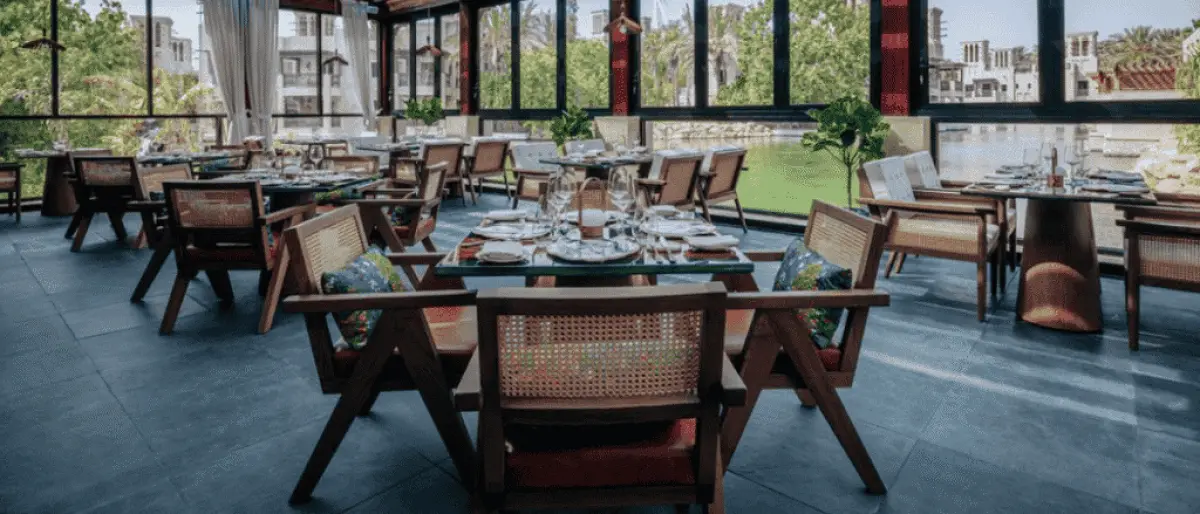
Dubai’s Atrangi Restaurant Introduces Personalized Chef-Curated Dining Experience
Atrangi, a Michelin-starred restaurant in Dubai, has introduced a new personalized dining concept in 2026, allowing chefs to create custom dishes tailored specifically to individual guest preferences. The initiative aims to enhance the dining experience by offering a more interactive and bespoke approach, aligning with the growing demand for experiential dining in the region.
The concept enables diners to engage directly with chefs, who design dishes based on personal tastes, dietary requirements, and culinary interests. The move comes as Dubai’s competitive hospitality market continues to evolve, with restaurants seeking innovative ways to attract and retain customers.
Shift Toward Personalized Dining
The introduction of chef-curated, customized dishes reflects a broader shift in the global hospitality industry toward personalization. Diners are increasingly seeking unique experiences that go beyond traditional menus, prompting restaurants to explore new formats that emphasize individuality and engagement.
At Atrangi, the new offering allows guests to step away from fixed menus and instead participate in the creative process. By understanding customer preferences in real time, chefs are able to craft dishes that deliver a more meaningful and memorable dining experience.
This approach highlights the importance of flexibility and innovation in meeting changing consumer expectations.
Enhancing Guest Engagement
One of the key elements of the concept is the direct interaction between chefs and diners. Guests have the opportunity to communicate their preferences, whether related to flavors, ingredients, or dietary restrictions, enabling chefs to tailor each dish accordingly.
This level of engagement not only enhances the dining experience but also builds a stronger connection between the customer and the restaurant. Personalized service has become a key differentiator in the premium dining segment, where customer expectations are particularly high.
The initiative positions Atrangi as a leader in creating immersive and interactive dining experiences.
Aligning with Experiential Dining Trends
The move aligns with the growing popularity of experiential dining, where the focus extends beyond food to include storytelling, interaction, and customization. Restaurants worldwide are increasingly adopting such concepts to stand out in competitive markets.
In Dubai, where the dining scene is diverse and rapidly evolving, experiential offerings have become essential for attracting both residents and tourists. Concepts that combine culinary excellence with unique experiences are gaining traction among a wide range of diners.
Atrangi’s personalized dining model reflects this trend, offering a distinctive value proposition in the luxury segment.
Role of Innovation in Competitive Markets
Dubai’s restaurant industry is known for its high level of competition, with new concepts and international brands entering the market regularly. In this environment, innovation plays a crucial role in maintaining relevance and attracting customers.
By introducing a personalized dining experience, Atrangi is leveraging innovation to differentiate itself from competitors. The concept not only enhances the customer experience but also strengthens the restaurant’s brand identity.
Such initiatives are increasingly important as operators seek to create unique selling points in a crowded marketplace.
Culinary Creativity and Flexibility
The personalized dining approach also allows chefs to showcase their creativity and adaptability. Instead of adhering to a fixed menu, chefs can experiment with ingredients and techniques to create dishes that align with individual preferences.
This flexibility enables a more dynamic kitchen environment, where innovation is encouraged and culinary boundaries can be explored. It also provides an opportunity to highlight seasonal ingredients and introduce new flavor combinations.
The focus on creativity is a key factor in delivering a high-quality dining experience.
Customer Expectations in Fine Dining
In the fine dining segment, customer expectations continue to rise, with diners seeking not only exceptional food but also personalized service and unique experiences. Restaurants are responding by developing concepts that cater to these expectations.
Atrangi’s initiative reflects this shift, emphasizing customization and engagement as core elements of the dining experience. By offering tailored dishes, the restaurant aims to exceed customer expectations and create lasting impressions.
This approach is particularly appealing to diners who value exclusivity and individuality.
Operational Considerations
While personalized dining offers significant advantages, it also presents operational challenges. Creating custom dishes requires careful coordination, skilled staff, and efficient processes to ensure consistency and quality.
Restaurants must balance the need for flexibility with operational efficiency, ensuring that personalized service does not impact overall performance. Training and resource management are critical factors in successfully implementing such concepts.
Atrangi’s ability to manage these challenges will be key to the success of its new offering.
Impact on Dubai’s Hospitality Sector
The introduction of personalized dining concepts contributes to the ongoing evolution of Dubai’s hospitality sector. As more restaurants adopt innovative approaches, the overall standard of dining experiences in the city continues to rise.
This trend benefits consumers by providing a wider range of options and encourages competition among operators to deliver higher quality and more engaging experiences.
Atrangi’s initiative is likely to influence other establishments to explore similar concepts.
Future Outlook
The success of Atrangi’s personalized dining model will depend on its ability to consistently deliver high-quality, customized experiences. Continued innovation and adaptation to customer preferences will be essential in sustaining interest and growth.
As the demand for experiential dining continues to increase, personalized concepts are expected to play a significant role in shaping the future of the hospitality industry. Restaurants that successfully integrate customization into their offerings are likely to gain a competitive advantage.
Atrangi’s new initiative positions it well to capitalize on these emerging trends.
Conclusion
With its new chef-curated personalized dining experience, Atrangi in Dubai is redefining guest engagement and setting a benchmark for innovation in the city’s evolving fine dining landscape.