The Art of Experience Building: Why Restaurants That Deliver More Than Food Win Customer Loyalty
Discover how experience-driven restaurants are building customer loyalty through ambience, storytelling, and immersive dining in 2026.
 Prajakta Sanjay Warwadkar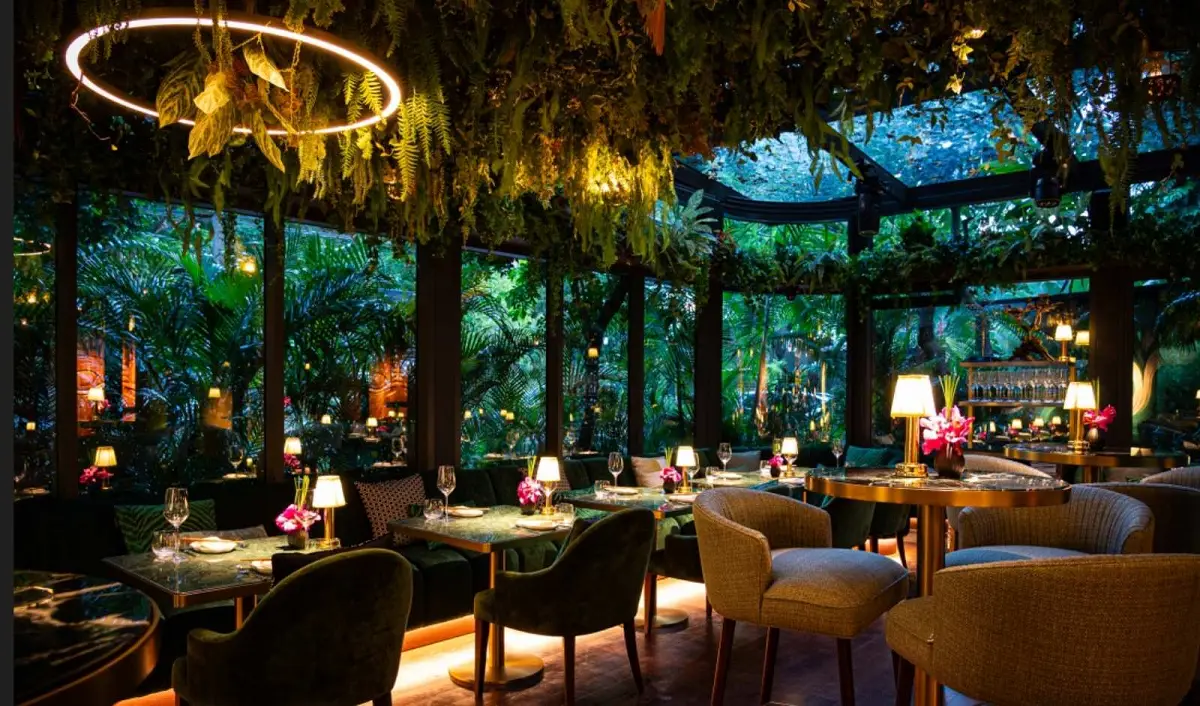
Experience Building Restaurants Redefine Customer Loyalty in 2026
Experienced restaurant builders are rapidly transforming the global hospitality landscape, shifting the focus from food alone to creating memorable, immersive dining journeys that keep customers coming back. In 2026, this approach has become a defining factor in restaurant success, as diners increasingly seek emotional connections, storytelling, and atmosphere alongside high-quality cuisine.
The modern diner is no longer satisfied with just a good meal. Instead, they are drawn to spaces that offer a sense of belonging, discovery, and engagement. Restaurants that understand this shift are investing heavily in experience design, ensuring that every touchpoint—from entry to exit—feels intentional and memorable.
What Defines Experience Building Restaurants
Experience building restaurants go beyond traditional service models. They focus on crafting an environment where food, design, music, service, and storytelling work together seamlessly. This integrated approach creates a cohesive journey that resonates emotionally with guests.
From themed interiors and curated playlists to interactive menus and chef-led storytelling, these restaurants are designed to engage all five senses. The goal is to make dining feel less transactional and more experiential.
Globally, this trend aligns with the rise of immersive dining concepts, where restaurants function as lifestyle destinations rather than standalone eateries. Diners are not just eating; they are participating in a curated experience.
Emotional Connection as a Core Strategy
One of the key elements of experience-building restaurants is emotional engagement. Establishments are increasingly designing experiences that evoke nostalgia, excitement, or curiosity. This emotional layer creates a deeper connection with customers, making them more likely to return.
For example, restaurants that incorporate regional storytelling or cultural narratives into their menus are seeing stronger customer loyalty. Guests feel a sense of authenticity and connection, which enhances their overall perception of the brand.
Design and Ambience Drive Repeat Visits
Interior design has become a critical component of experience-building restaurants. Spaces are now crafted to reflect a clear identity, often inspired by art, culture, or specific themes. Lighting, textures, and layout all contribute to creating a distinctive atmosphere.
Restaurants are also experimenting with open kitchens, communal tables, and dynamic seating arrangements to encourage interaction and engagement. These design choices not only enhance the dining experience but also make the space more shareable on social media.
As a result, ambience is no longer secondary to food—it is a central pillar of the overall offering.
Multi-Sensory Dining Experiences
Experienced restaurant builders are increasingly adopting multi-sensory elements to elevate dining. This includes synchronized lighting, soundscapes, and even scent integration to create a fully immersive environment.
Such innovations are inspired by global pioneers in experiential dining, where meals are designed to stimulate multiple senses simultaneously. This approach enhances perception of taste and creates a more memorable experience.
Menu Innovation Beyond Taste
In experience-building restaurants, menus are evolving into storytelling tools. Chefs are designing dishes that not only taste exceptional but also communicate a narrative. Ingredients, presentation, and sequencing all contribute to the story being told.
Tasting menus, in particular, have gained popularity as they allow chefs to guide diners through a curated journey. Each course builds on the previous one, creating a cohesive and immersive experience.
This format also allows for greater creativity, enabling chefs to experiment with textures, techniques, and cultural influences.
Local and Seasonal Storytelling
Many restaurants are incorporating local ingredients and seasonal produce into their menus, using them as a foundation for storytelling. This approach not only supports sustainability but also enhances authenticity.
Diners are increasingly interested in knowing the origin of their food and the story behind each dish. Restaurants that provide this transparency are building stronger trust and loyalty among their customers.
Service as an Experience Layer
Service plays a crucial role in experience-building restaurants. Staff are trained not just to serve food but to act as storytellers and guides. Their interactions with guests contribute significantly to the overall experience.
Personalization is a key focus area. From remembering guest preferences to offering tailored recommendations, restaurants are leveraging data and training to enhance service quality.
This level of attention creates a sense of exclusivity and care, which is highly valued by modern diners.
Technology Enhancing Guest Experience
Technology is also playing an important role in shaping experience-building restaurants. Digital menus, reservation systems, and interactive elements are being used to streamline operations and enhance convenience.
Some restaurants are even experimenting with augmented reality and projection mapping to create visually engaging dining environments. These innovations add an extra layer of excitement and differentiation.
Social Media and Shareability
In the digital age, shareability has become a key driver of success for experience-building restaurants. Visually appealing dishes and aesthetically designed spaces encourage guests to share their experiences online.
This organic promotion helps restaurants reach a wider audience and build brand awareness. It also reinforces the perception of the restaurant as a destination worth visiting.
As a result, many establishments are designing experiences with social media in mind, ensuring that every element is visually compelling.
Challenges in Experience Building
While the benefits are significant, creating experience-building restaurants comes with its own set of challenges. High investment costs, operational complexity, and the need for continuous innovation can be demanding.
Maintaining consistency across all touchpoints is also critical. A single weak element can impact the overall experience and affect customer perception.
Additionally, there is a risk of overemphasizing aesthetics at the expense of food quality. Successful restaurants must strike a balance between experience and culinary excellence.
The Future of Experience Building Restaurants
Looking ahead, experience-building restaurants are expected to play an even larger role in the hospitality industry. As competition intensifies, differentiation through experience will become increasingly important.
Operators will continue to explore new ways to engage customers, from immersive themes to personalized dining journeys. Sustainability, technology, and cultural storytelling are likely to be key focus areas.
The evolution of dining is clear—restaurants are no longer just places to eat. They are spaces where memories are created, stories are shared, and connections are formed.
In this landscape, experience-building restaurants are not just a trend but a fundamental shift in how the industry operates. Those that embrace this approach are well-positioned to build lasting relationships with their customers and achieve long-term success.
Read more: https://hospitalitycareerprofile.com/