Automated Restaurants Expand Across India in 2026
Future of automated restaurants drives faster service, AI kitchens and smart dining systems across India in 2026. Read more.
 Prajakta Sanjay Warwadkar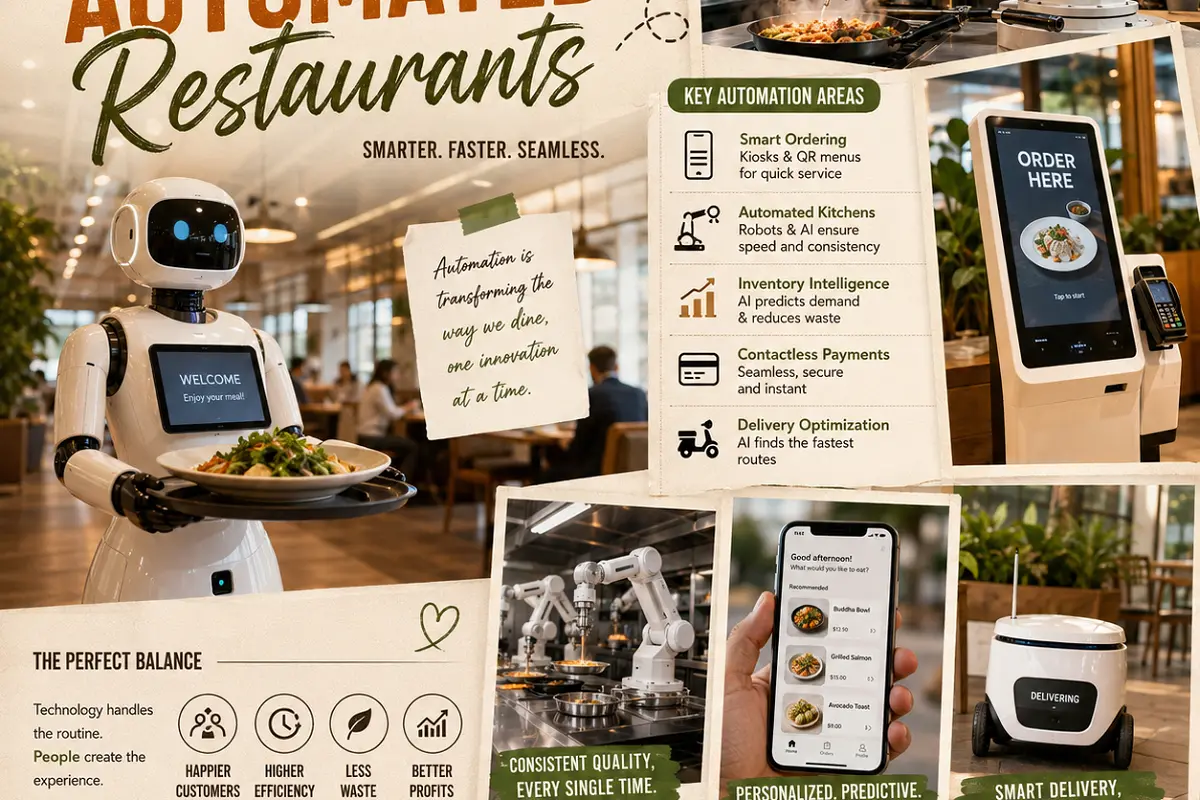
Future of Automated Restaurants
Automated restaurants used to sound like something far away, almost sci-fi honestly. Robots serving food, AI kitchens, touchless ordering, people talked about it like it belonged in the future. But now? It’s already happening, just more quietly than expected. Restaurants in 2026 are slowly moving toward automation to handle speed, labor shortages, consistency, and rising operational costs. And customers are getting used to it faster than anyone thought.
Still, there’s a strange balance happening. People want convenience, obviously, but they also don’t want restaurants to feel completely emotionless either.
Why Are Automated Restaurants Growing So Quickly?
Mostly because the restaurant industry got harder to manage traditionally.
Labor costs increased. Staff shortages became common in many cities. Delivery demand exploded. Restaurants needed systems that could handle pressure without constantly depending on large teams.
Automation helps with things like:
-
self-ordering kiosks
-
robotic kitchen assistance
-
AI-based inventory tracking
-
automated billing and payment systems
And honestly, customers adapted pretty quickly. Especially younger diners who already do almost everything through apps anyway.
For some people, scanning a QR menu and ordering without waiting for staff just feels easier now.
How Are Automated Restaurants Actually Working in 2026?
Not every automated restaurant looks futuristic with robots moving everywhere. Most automation happens quietly in the background.
You’ll see:
-
smart kitchens managing cooking times
-
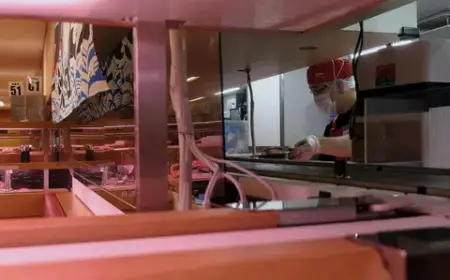
conveyor-based food delivery systems
-
AI predicting ingredient usage
-
voice-assisted ordering systems
Some restaurants even use facial recognition for loyalty programs now, which feels slightly uncomfortable if you think about it too long.
And platforms linked with Instagram or delivery apps are feeding restaurants customer behavior data constantly. Preferred dishes, dining times, repeat orders, restaurants know more about customer habits now than they probably ever did before.
Which Restaurant Areas Are Becoming Most Automated?
The biggest changes are happening in repetitive operational tasks.
|
Restaurant Area |
How Automation Is Being Used |
|---|---|
|
Ordering Systems |
QR menus and self-service kiosks |
|
Kitchen Operations |
Smart cooking and prep assistance |
|
Billing & Payments |
Contactless and AI-assisted checkout |
|
Inventory Management |
Predicting ingredient demand |
|
Food Delivery |
Route optimization and tracking |
Kitchen automation especially is growing inside fast-food and chain restaurants where consistency matters heavily. A robot making the same burger every single time sounds efficient, though maybe a little depressing too depending on how you look at it.
Are Customers Comfortable With Fully Automated Dining?
Partially. That’s probably the honest answer.
People enjoy convenience. Faster service, fewer queues, easier payments, all of that works. But fully automated restaurants can sometimes feel cold really quickly. Almost too efficient.
Nobody really misses waiting twenty minutes for a bill. But people still enjoy:
-
friendly recommendations
-
small conversations with servers
-
human energy inside a restaurant
Hospitality is emotional. Automation handles systems well, but atmosphere? That’s harder to replace.
What Problems Could Automated Restaurants Face?
A few obvious ones.
Technology failures during peak hours can create chaos fast. Smaller restaurants also struggle with setup costs because advanced automation systems are expensive initially.
Then there’s:
-
staff training issues
-
customer privacy concerns
-
over-dependence on technology
And honestly, some restaurants overcomplicate automation just because it sounds trendy. Diners don’t necessarily want restaurants to feel like airport terminals.
That’s probably where some brands get it wrong.
What Are Restaurants Learning About Automation?
The smarter restaurants are using automation to support staff, not completely replace them.
Pro-Tip: In our experience, restaurants perform best when automation removes frustrating delays without removing human warmth completely. Faster ordering and smoother payments improve customer satisfaction quickly. But diners still remember hospitality, personality, and atmosphere far more than they remember efficient software systems.
That part hasn’t changed.
What Happens Next for Automated Restaurants Beyond 2026?
2026 Trends:
Restaurants are moving toward hybrid models where automation handles operational pressure while staff focus more on customer interaction and experience. AI kitchens, predictive ordering systems, and voice-based service will continue growing. At the same time though, restaurants that maintain warmth and personality will probably stand out even more in an increasingly automated industry.
Funny enough, the more technology enters dining spaces, the more valuable genuine human interaction starts feeling.
Read More:
-
Rise of Experience-Based Restaurants: Why Are They Taking Over Dining?
-
Dining Out Trends 2026: Why People Prefer Dining Out Over Cooking More Than Ever
Maybe fully robotic restaurants will become common eventually. Maybe not. Right now though, most diners seem to want balance, convenience without losing the feeling that there are still real people behind the experience somehow.