Hangzhou AI Restaurant Uses Face Scans to Personalise Meals
A robot-run restaurant in Hangzhou uses AI facial and tongue scans to recommend personalised meals, with robots handling 60% of kitchen operations.
 Prajakta Sanjay Warwadkar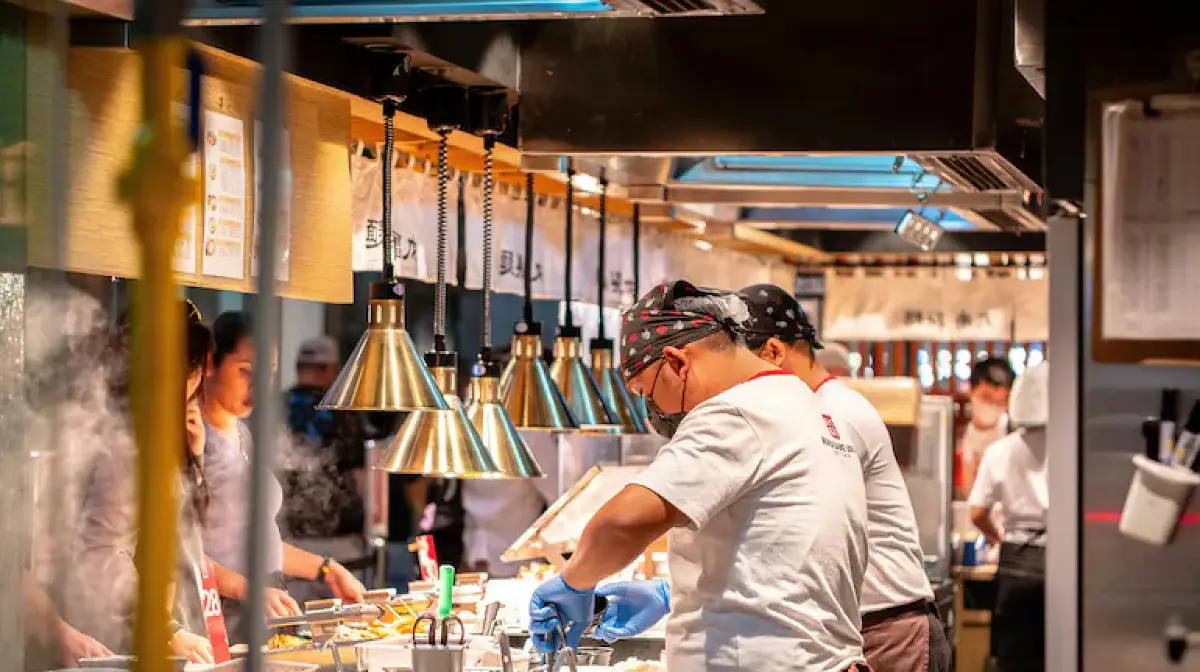
A robot-operated restaurant in Hangzhou’s Xihu district is using artificial intelligence to scan diners’ faces and tongues before serving meals, introducing a data-driven approach to personalised dining. The concept, implemented at 24 Jieqi Robot Restaurant, integrates AI analysis with automated kitchen operations, where robots manage around 60 per cent of the workload.
The restaurant is part of a broader wave of technology-led experimentation in China’s foodservice sector, where operators are increasingly deploying automation to improve efficiency, reduce labour dependency, and standardise output. In this case, the integration of biometric analysis into the dining journey marks a shift toward health-focused, customised menu recommendations.
AI System Analyses Diners Before Ordering
At the core of the concept is an “AI diagnosis” system that evaluates customers before they place an order. The process involves scanning facial features and tongue appearance, followed by a short questionnaire. Based on this data, the system generates a report assessing factors such as lifestyle, emotional state, and digestive condition.
The analysis is then used to recommend dishes aligned with perceived health needs, with a focus on seasonal and balanced nutrition. This approach positions the restaurant at the intersection of foodservice and preventive health, where meal selection is guided by algorithmic insights rather than customer preference alone.
The use of tongue and facial scanning draws from traditional diagnostic techniques adapted into a digital format, reflecting an attempt to combine cultural practices with modern technology.
Robotic Operations Handle Majority of Kitchen Tasks
The restaurant operates with eight robots responsible for a wide range of functions, including taking orders, preparing food, serving dishes, and cleaning. These systems collectively account for approximately 60 per cent of total kitchen operations, significantly reducing the need for human labour during peak hours.
The robots are trained using data collected from human chefs, particularly focusing on cooking techniques such as heat control, stir-frying movements, and timing. This allows the machines to replicate standardised cooking processes while maintaining consistency across dishes.
By automating repetitive and labour-intensive tasks, the restaurant aims to improve efficiency while maintaining output quality. Human staff remain involved in supervision and system management, ensuring operational continuity.
Menu Combines Automation With Regional Cuisine
The AI-enabled kitchen is capable of producing more than 100 dishes, including regional Chinese specialities such as Three Cup Chicken, Crab Roe Tofu, and Braised Pork Trotter. The system also prepares local favourites like Pian Er Chuan, a traditional noodle soup from Hangzhou.
These dishes are prepared using pre-programmed techniques derived from chef input, enabling the restaurant to maintain consistency across high-volume service periods. The integration of regional cuisine into an automated system reflects an effort to preserve culinary identity while adopting modern production methods.
The model is particularly suited to fast-service formats, group dining, and cuisine categories that rely on repeatable cooking techniques, such as Sichuan and Hunan food.
Customer Response Highlights Cost and Consistency Benefits
Initial customer feedback indicates that the use of robotic systems has not significantly altered the perceived taste of the food. Diners have reported that dishes maintain a balanced flavour profile, with controlled levels of oil and seasoning.
The automation has also contributed to lower pricing, as reduced labour costs allow the restaurant to offer meals at more accessible price points. This positions the concept as both a technological innovation and a cost-efficiency strategy within the competitive dining market.
However, the introduction of AI-driven personalisation has sparked debate, particularly regarding data privacy and the role of automation in traditionally human-centric hospitality environments.
Automation Trends Reshape Restaurant Operations in China
The Hangzhou restaurant reflects a wider trend across China’s foodservice industry, where AI and robotics are increasingly being deployed to address operational challenges. Rising labour costs, demand for consistency, and the need for scalable models are driving adoption of automated systems.
Restaurants integrating such technologies are positioning themselves as innovation-led concepts, attracting attention from both consumers and industry observers. At the same time, the shift raises questions about workforce displacement and the long-term role of human chefs in the dining experience.
The 24 Jieqi Robot Restaurant demonstrates how technology is redefining both front-of-house and back-of-house operations, combining data analytics, automation, and culinary production into a single integrated model. As adoption expands, similar concepts may influence how restaurants approach personalisation, efficiency, and customer engagement in the future.